Why 'Human Wave' Assaults Won't Solve Russia's Military Manpower Crisis.

Analysis of the Russian Army's Challenges
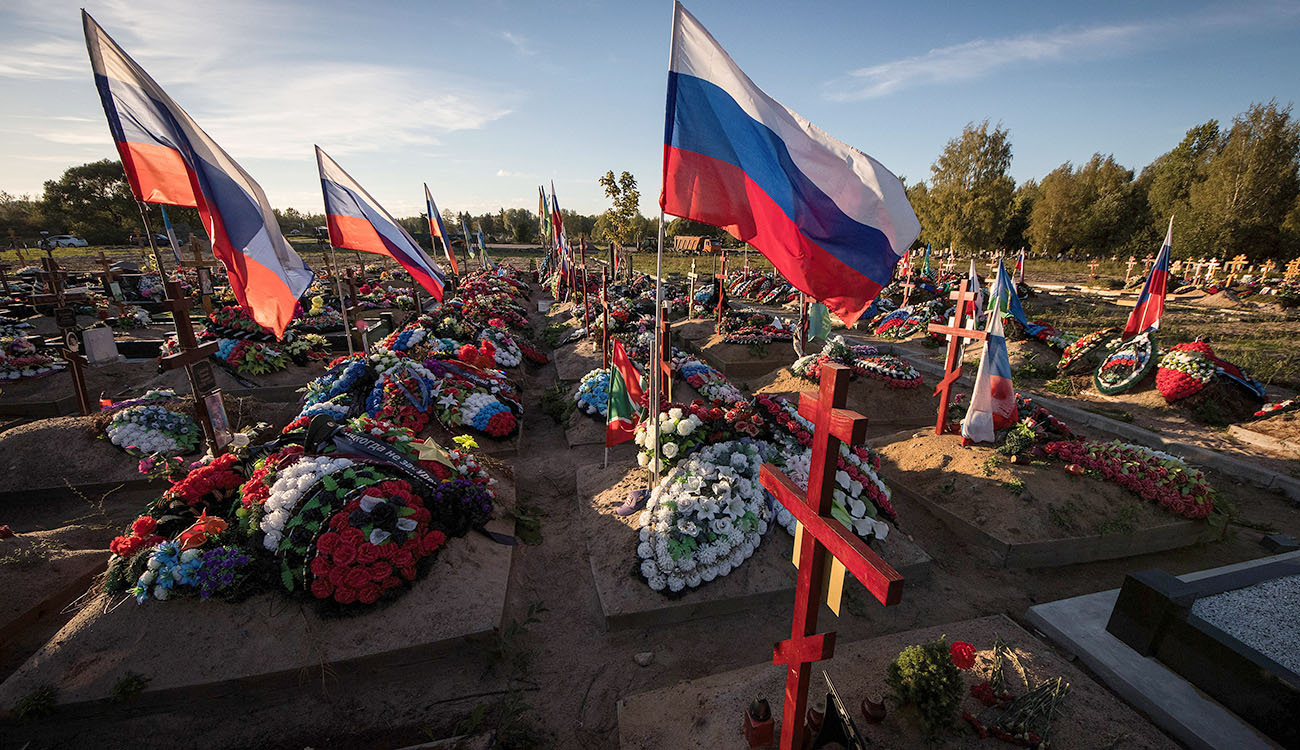
According to UATV: During a January 29 broadcast on the FREEДOM TV channel, political analyst Ruslan Aisin examined the severe difficulties confronting the Russian military, its combat tactics, and the broader economic pressures on the state. He argued that the army's reliance on costly 'human wave' assaults—essentially throwing masses of poorly trained troops at enemy positions—cannot compensate for a fundamental shortage of individuals willing to fight. This discussion comes amid Russia's ongoing, large-scale invasion of Ukraine, which has resulted in significant military losses.
Modern Russia possesses a far more limited human resource pool than the former Soviet Union. The country's population is now predominantly older, complicating efforts to mobilize sufficient young people for military conflict. According to expert assessments, even substantial financial incentives have failed to resolve the critical lack of volunteers for frontline service.
"The problem is that human capital is limited," Ruslan Aisin stated.
The analyst further warned that 'sooner or later, this will lead to the collapse of the entire system, because no one can wage war endlessly.' He suggested that if the central authority weakens, public unrest will follow as people seek someone to blame for their hardships.
The State of the Russian Military
Aisin also criticized Moscow's attempts to construct extensive fortifications, which he claimed 'do not work.' He observed that Putin's system is receiving 'this archaism in its most direct form.' Consequently, the situation within the Russian army and the nation as a whole remains precarious, with traditional mobilization methods likely to prove ineffective under current conditions.
Ruslan Aisin's discussion on FREEДOM highlights the profound strategic challenges Russia faces in a protracted war. A shrinking demographic base and rising social tensions could become critical threats to the stability of the Russian government. Without a significant shift, these factors may lead to new political and social dangers for the regime.
Read also
- Zelensky and Top Military Command Outline Response Plan to Russian Strikes
- EU's New Sanctions Package Targets Crypto Platforms Used to Bypass Restrictions
- New directives for Ukraine's National Security and Defense Council: Zelenskyy assigns tasks to Umerov and Klymenko
- Ukraine Extradites Former Lawmaker Demchak in Major Push to Bring Back Suspects
- EU Adopts 21st Sanctions Package Against Russia: What the New Restrictions Target
- Lithuania Accuses EU Nations of Undermining Sanctions for Their Own Economic Gain