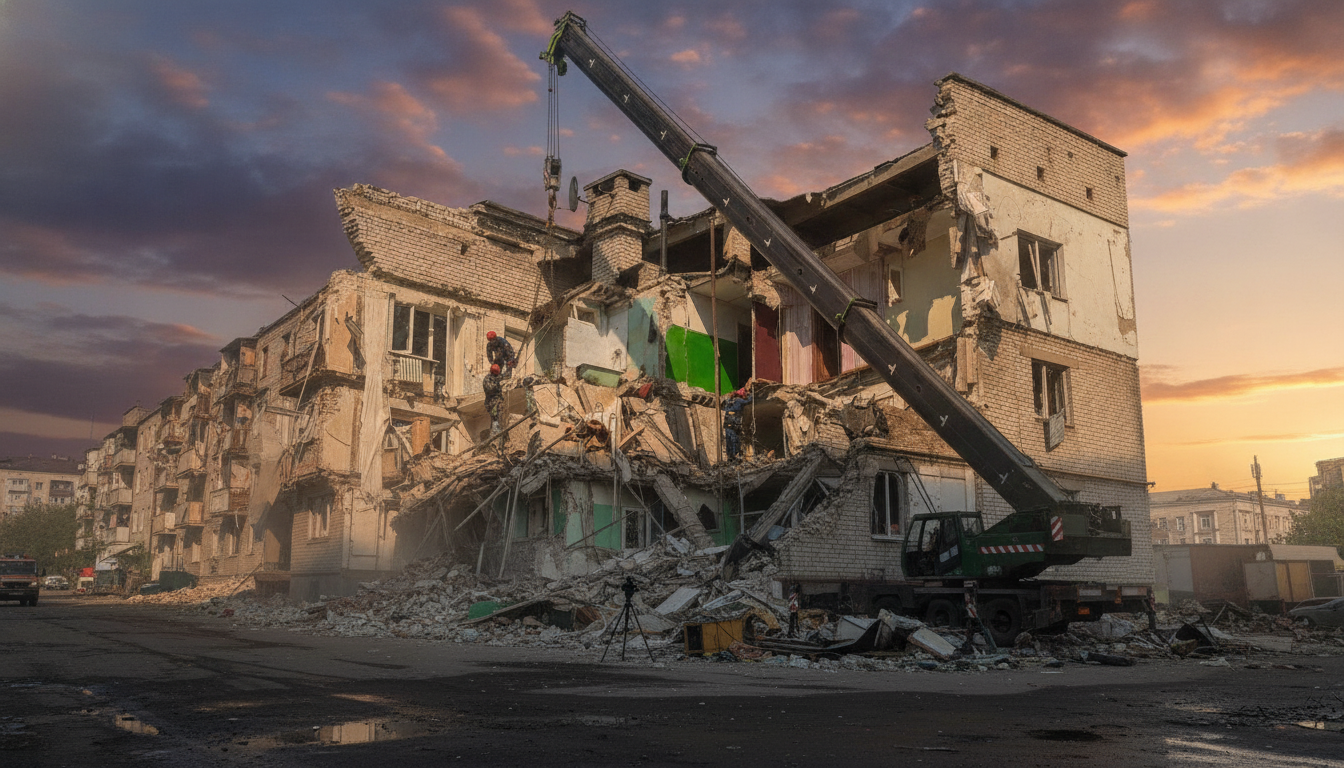
Russian Attack on Dnipropetrovsk Region Kills One, Damages Four Communities.

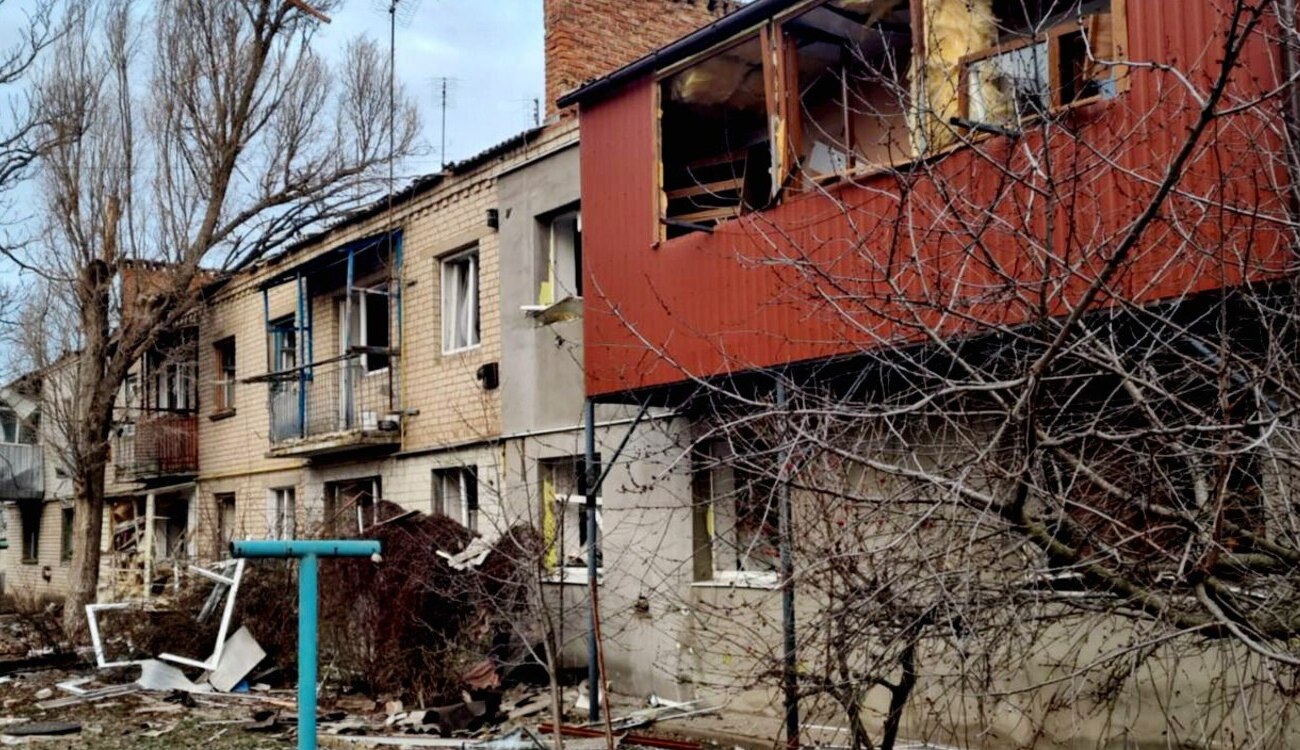
Civilian Casualties and Destruction in Dnipropetrovsk Region Following Russian Strikes
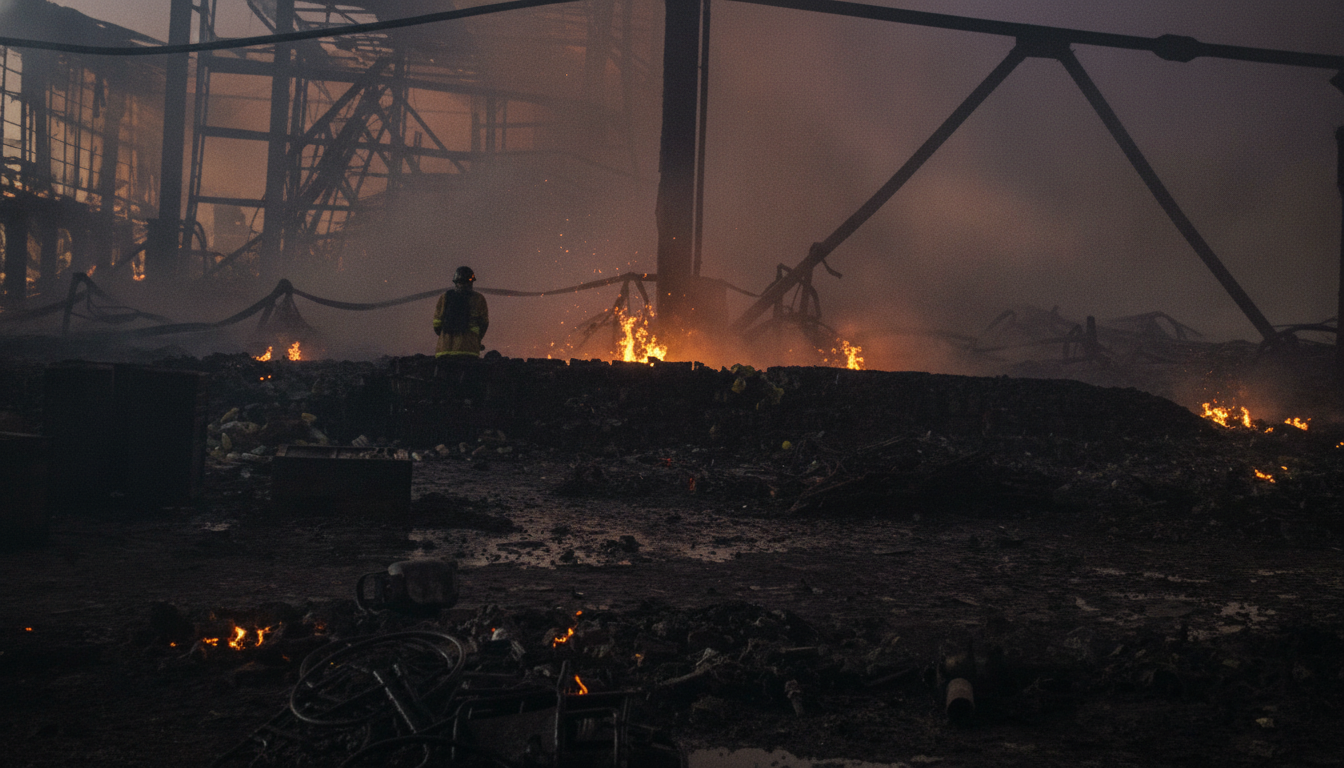
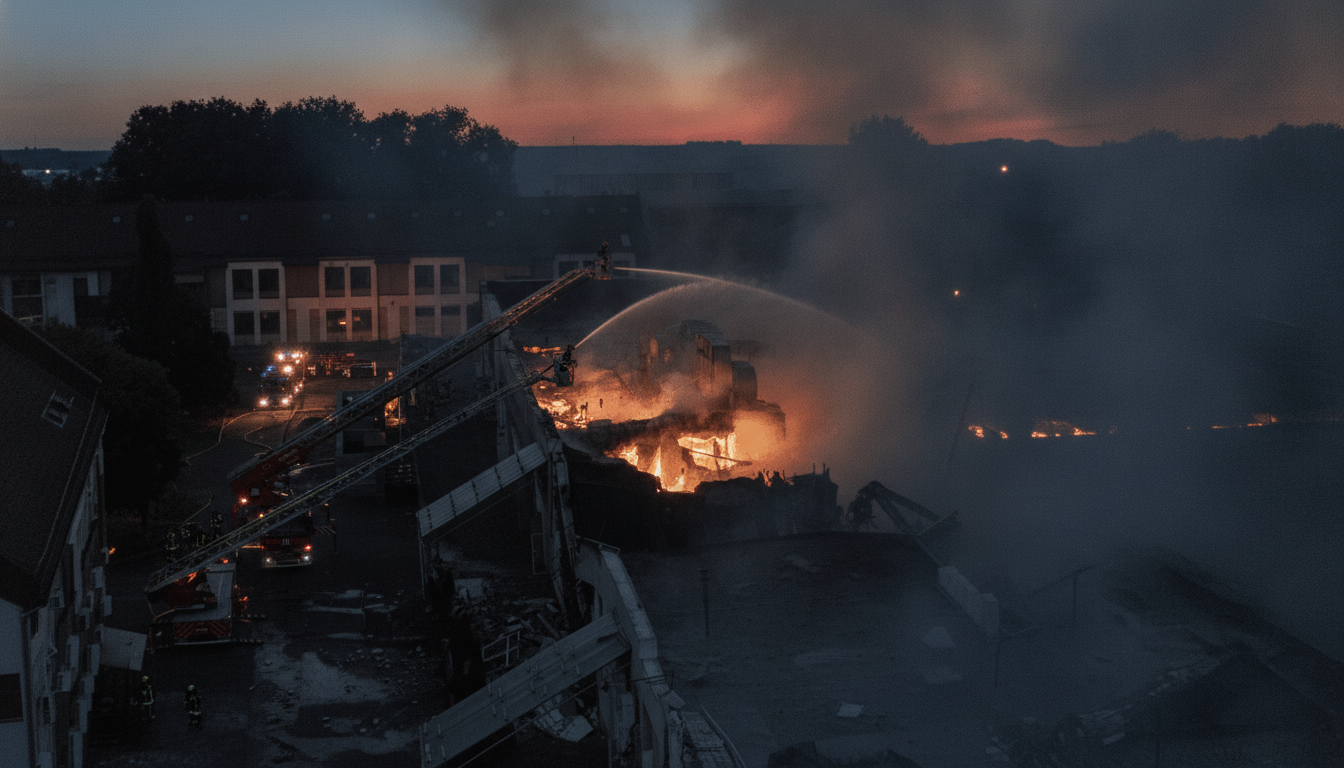
According to UATV: A Russian attack on Ukraine's Dnipropetrovsk region on February 6 resulted in the death of one man and left four others wounded. The assault targeted four separate communities:
- Vasylkivska
- Malomykhailivska
- Slavianska
- Pokrovska
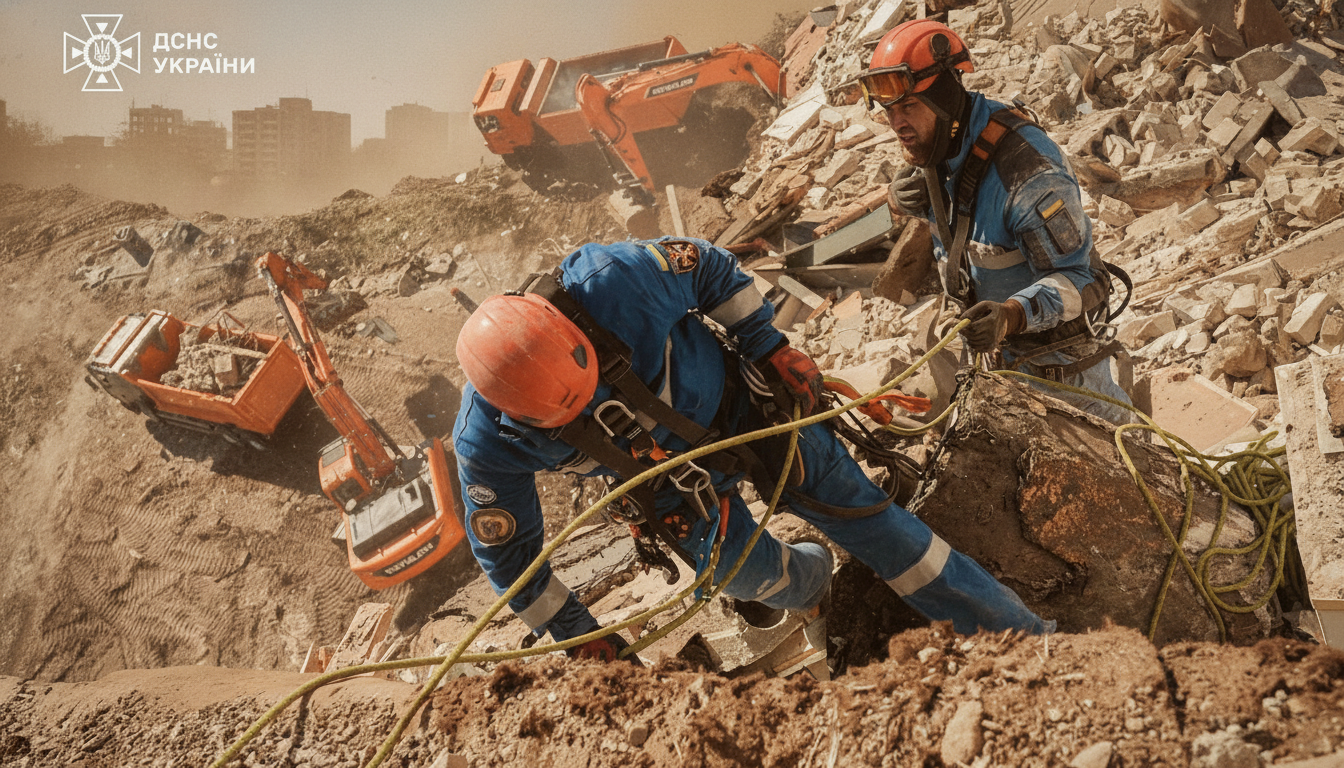
Rescue workers pulled two of the injured from beneath the rubble.
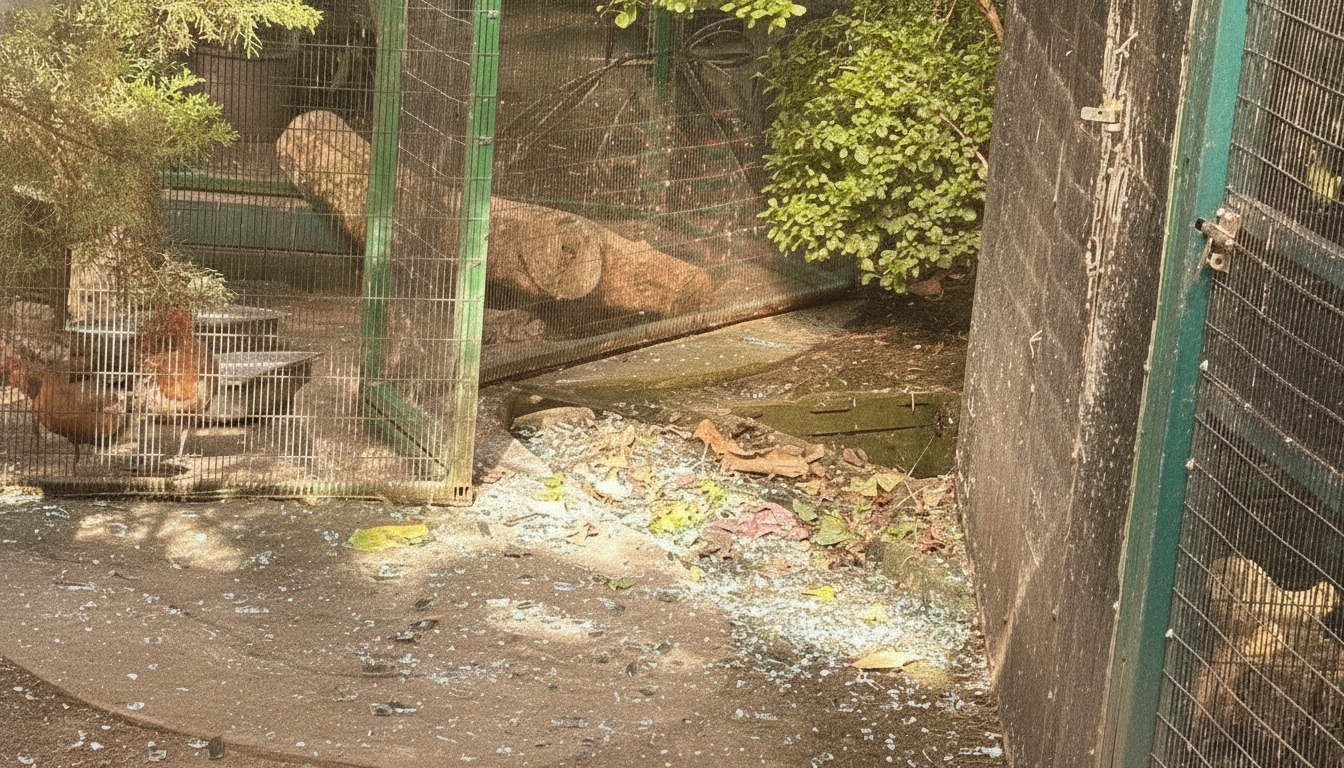
In the Synelnykivskyi district, two private houses were destroyed and six more were damaged. Separately, Russian forces shelled the Nikopol district using artillery and FPV drones, damaging three private homes, an outbuilding, and a gas pipeline.
This region has been a frequent target due to its proximity to active front lines. The head of Ukraine's Ground Forces, Oleksandr Syrskyi, provided context on the broader aerial threat, stating:
“Ukrainian air defense is shooting down over 70% of hostile targets.”
He added that Russia deploys between 100 and 200 Shahed-type attack drones every single day.
The recent strikes are part of Russia's ongoing, multi-year war of aggression against Ukraine. The increasing reliance on drones and artillery highlights how Russian military tactics have adapted. The regular attacks on the Dnipropetrovsk region cause continuous civilian casualties and infrastructure damage, underscoring the critical need for sustained air defense support to protect vulnerable communities.
Read also
- Ukrainian Forces Aim to Cut Off Crimea: Key Missions Underway
- Key Condition for Military Demobilization Revealed by Ukraine's Top Commander
- Military Rotation Underway in Ukraine: Key Challenges Emerging on the Frontline
- Is Belarus Preparing a New Assault on Kyiv? Commander-in-Chief Syrskyi Weighs In
- On Constitution Day, Syrskyi Says Every Ukrainian Soldier Defends the Nation’s Core Values
- DeViro Unveils 'Leleka' and 'Bulava' Drones with Remote Control Capabilities, No Operator Needed at the Frontline