Ukrainian Intelligence Exposes Russian Tanker Using Fake Flag to Ship 140,000 Tons of Oil to China.

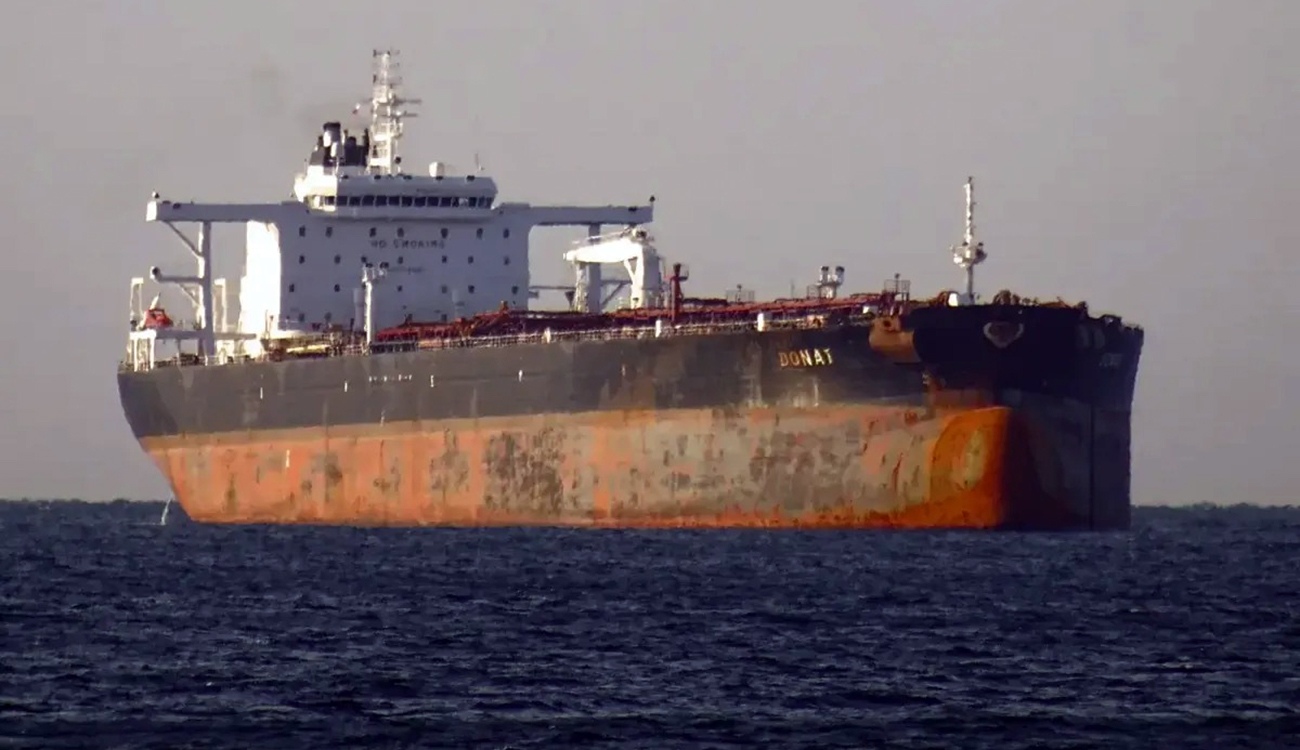
Sanctioned Vessel 'PAZ' Caught with False Flag and Forged Insurance
According to UATV: Ukraine’s Foreign Intelligence Service has uncovered that the tanker 'PAZ' is operating under a fraudulent flag and using a counterfeit insurance certificate. The ship, which is under sanctions from the United States, the European Union, the United Kingdom, and Ukraine, departed from the port of Murmansk on March 9, 2026. Its mission is to deliver 140,000 metric tons of Russian crude oil to China. The exporter of this oil is the Russian company Gazpromneft (PAO).
Between 2023 and 2025, the 'PAZ' completed five voyages carrying Russian oil to India and China, along with four trips transporting Venezuelan oil to China. Since March 2025, the tanker has been flying a false flag from Curaçao, whose maritime registry is also listed under EU sanctions. The vessel claims to hold an insurance certificate issued by the German firm 'Seaguard P&I,' yet German registries contain no records of such a company. This incident highlights how Russia’s shadow fleet exploits loopholes to evade international restrictions.
Risks to Global Maritime Shipping
In March 2025, Norway’s Financial Supervisory Authority shut down the company 'Romarine AS' for related activities. Ukraine’s Foreign Intelligence Service stated:
The vessel 'PAZ' (under sanctions from the US, EU, UK, and Ukraine) left the port of Murmansk with the goal of delivering 140,000 tons of Russian oil to China.
They further emphasized that 'the use of fictitious documents is evidence of systematic violations of international maritime shipping rules by vessels of Russia’s shadow fleet.'
This case underscores the growing risks in global maritime transport, particularly regarding compliance with sanctions regimes and the safety of sea lanes. The increasing use of forged paperwork and ships sailing under false flags threatens not only the economic interests of sanctioning nations but also overall maritime security. It reinforces the urgent need for stronger international oversight and cooperation to combat such deceptive practices.
Read also
- Why Russia Is Firing S-400 Missiles at Drones: A General Explains
- Ukraine’s Military Disrupts Russian Supply Lines in Crimea: Are Fresh Strikes on the Kerch Bridge Coming?
- Russian Forces Launch Three-Pronged Assaults on Lyman and Kostiantynivka Fronts
- Drones and Missiles Trigger Collapse in Crimea: General Romanenko on Ukraine's Striking Success
- Communication Breakdown Cripples Russian Forces: Inability to Coordinate Assaults
- Ukraine Strikes Iskander Producer in Volgograd; Zelensky Outlines Sanctions Strategy