Ukraine's Security Service Skips Parliamentary Hearing; Head May Face Compulsory Summons.

Security Service Absent from Hearing
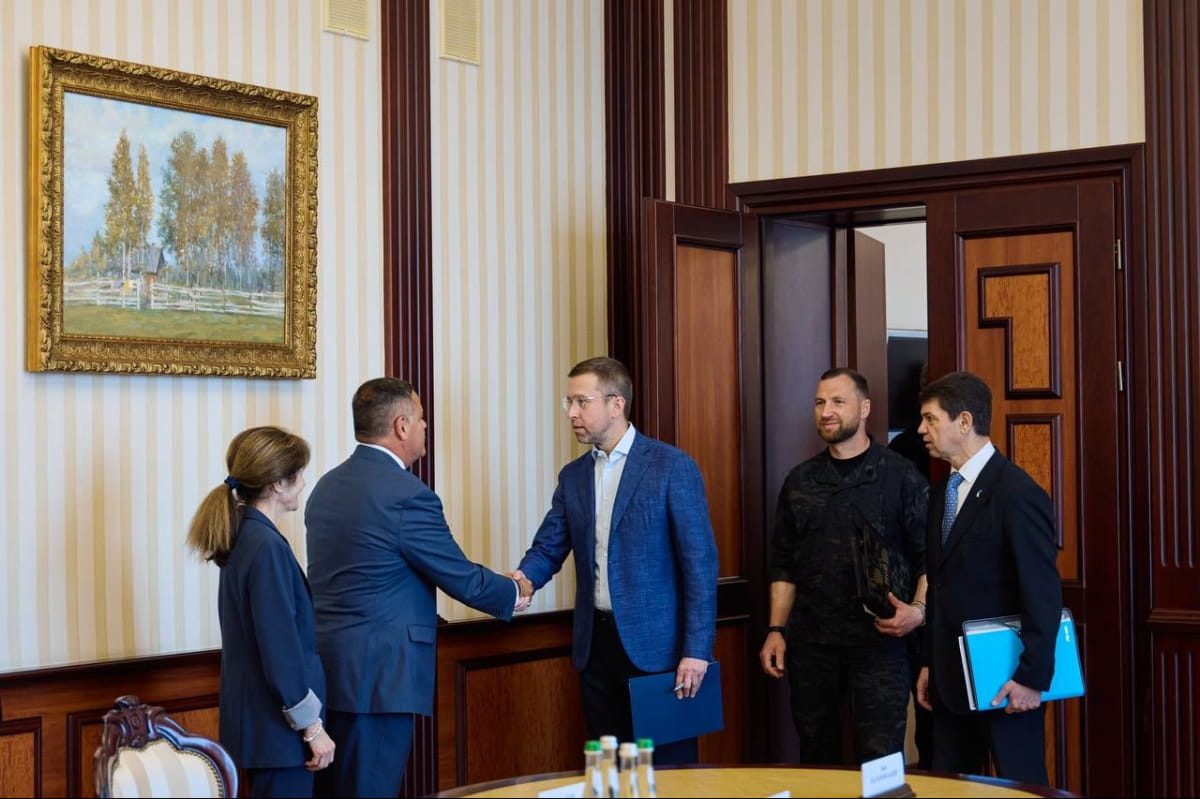
According to Novyny.live: Representatives of Ukraine's Security Service (SBU) failed to attend a session of the Verkhovna Rada's Temporary Investigative Commission on March 10. In response, the head of the SBU, Yevhen Khmara, may be summoned to appear. The primary topic of the scheduled hearing was the activity of anonymous Telegram channels, which has raised significant concerns. This incident highlights ongoing tensions between Ukraine's security apparatus and its legislative oversight bodies during wartime.
Yaroslav Zhelezniak, the MP who was the main speaker at the session, stated that the SBU's absence was due to its representatives being unable to locate a page on the Verkhovna Rada's website. Zhelezniak claimed this page should not exist, but in fact does.
"We received a reply, signed by the SBU's acting head Yevhen Khmara, informing us that since the entire SBU could not find the page for the commission on the Rada's website—a page which shouldn't exist but does—they, along with the Kyiv department and cyber department, decided not to come today,"Zhelezniak noted.
Announced Measures
It was also announced during the session that a separate invitation would be arranged for Andrii Salenkov, the acting head of the relevant department.
"For the next session, we will organize his compulsory arrival,"the deputy added. This underscores the importance of the subject under discussion and the perceived necessity for SBU officials to be present to clarify the situation regarding anonymous Telegram channels, whose owners are believed to be identifiable. The use of anonymous Telegram channels is a widespread issue in the region, often linked to disinformation campaigns.
The commission's discussion extended beyond the channels' activities to the potential threats they pose. In the context of modern information warfare, such channels can create disinformation and manipulate public opinion, a matter of particular urgency given current challenges.
The SBU's non-appearance at the hearing may indicate communication problems between state agencies and legislative institutions. The situation with the anonymous Telegram channels highlights the critical need to monitor information flows, especially during war, when disinformation can have serious consequences. The lack of an appropriate response from the SBU could raise further questions about its effectiveness in countering information threats.
Read also
- Syrsky Resigns: Who Will Zelensky Appoint as Ukraine's Next Commander-in-Chief?
- Zheleznyak Warns: Kachka's Resignation Doesn't Erase Ukraine's EU Commitments
- Protests Erupt in Kyiv Over Government Shakeup and Fedorov’s Resignation: Key Details
- Ukraine's Parliament Ousts Svyrydenko's Cabinet: What Comes Next
- Government Resignation Looms: Zelenskyy Taps Naftogaz Chief as Next Prime Minister
- Constitutional Violations Alleged by Lawmaker Yurchyshyn in Ukraine’s Government Reshuffle