SBU strikes at the Primorsk port: tankers damaged, oil export halted.


Drone strike on the Russian port
According to inkorr.com: The Security Service of Ukraine carried out a strike on the Russian oil terminal port of Primorsk on the Baltic Sea, resulting in damage to two tankers registered in the Seychelles. This is reported by Reuters, citing two anonymous sources in the industry.
The agency's sources specified that the damaged tankers are Kusto and Cai Yun. Both vessels are of the Aframax type registered in the Seychelles, and Kusto can carry about 700,000 barrels of crude oil.
Suspension of oil loading
Following the SBU attack, oil loading at the Primorsk port has been suspended, and it is currently unknown when this process may resume. The port is capable of handling up to 1 million barrels of crude oil per day, making it an important export hub for Russian oil and the main port in the western part of Russia.
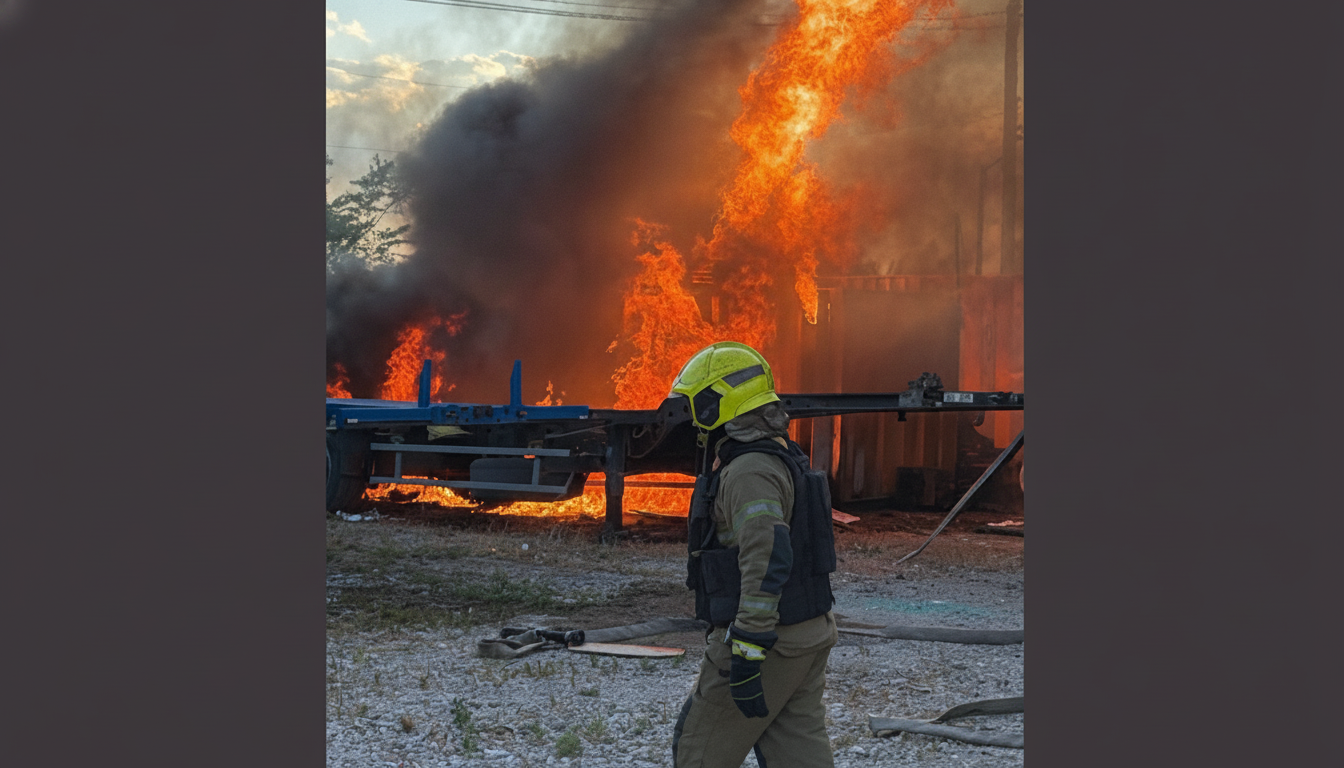
Earlier, it was reported that yesterday the Security Service of Ukraine struck the Russian port of Primorsk with drones. According to sources from 'Glavkom' in the security service, as a result of the attacks, fires broke out on one of the tankers and on the oil pipeline, and the unloading of oil was halted. Estimated losses to the Russian budget due to the suspension of exports may amount to up to 41 million dollars per day.
After the drone attack, which caused damage to the oil terminal port, tankers registered under the Seychelles flag were affected. The port is closed, and the timeline for its recovery is currently unknown, which could significantly impact the Russian economy.
As a result of the recent events at the Primorsk port, which plays an important role in transporting Russian oil, the halt in loading could lead to serious financial losses. Experts note that this strike highlights the importance of drone technologies in the conflict and reminds of the vulnerability of critical infrastructure.Read also
- Kharkiv Hit by Russian Airstrike: One Dead, 21 Wounded Including Five Children
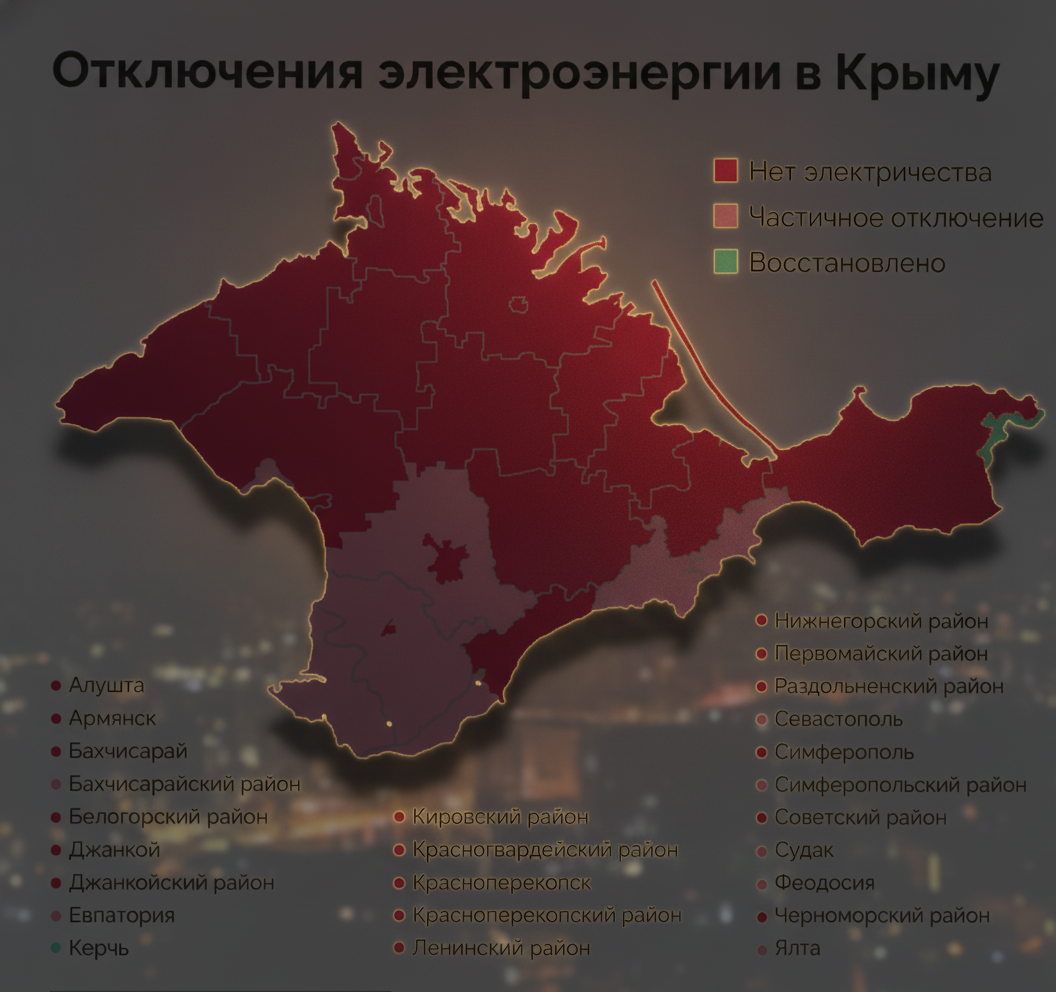
- Power Outages Plunge 7 City Districts and 12 Regions of Crimea Into Darkness After Substation Strikes
- Civilian Casualties and Infrastructure Damage Reported After Russian Strikes on Odesa, Zaporizhzhia, and Dnipro Regions
- Massive Attack on Kyiv and Its Region Claims 26 Lives; Air Defense Fails to Intercept Any Ballistic Missiles
- Rescue Operations Underway After Strike on Vyshneve: 8 Killed, Nearly 100 Injured
- One Dead, 21 Wounded After Russian Airstrike Hits Kharkiv on July 7