Serbia on the Brink of Crisis: President Vučić's Approval Drops Below 50% After Nine Years in Power.

Rising Political Tensions in Serbia
According to Espreso.tv: Political tensions are escalating in Serbia, fueled by corruption scandals and declining approval ratings for President Aleksandar Vučić, who has held power for nine years. Support for his party has slipped below 50%, giving Vučić a potential path to call early elections. This marks a significant shift in a country where his dominance has long seemed unshakable.
After a lengthy tenure as president, Aleksandar Vučić now faces mounting challenges as backing for his political force erodes. This drop in ratings could force the announcement of snap elections, signaling growing political instability within the nation. For an English-speaking audience, it is worth noting that Serbia's political landscape has been notably stable under Vučić, making this decline a critical development.
Opposition and Criticism
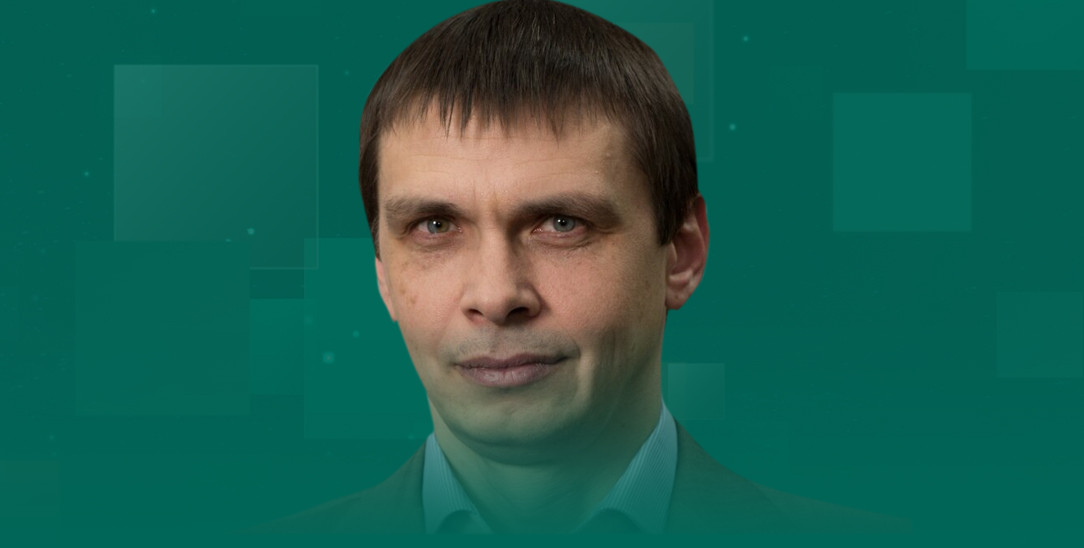
Among opposition leaders, Zdravko Ponoš stands out as a key figure openly criticizing the president. He has pointed out that Vučić is 'sitting on two chairs between Brussels and Moscow,' highlighting the ambiguity of Serbia's foreign policy and the internal problems stemming from these contradictions. This balancing act has long been a point of contention in Serbian politics.
As a result, the political situation in Serbia remains tense, with President Vučić confronting challenges that could determine both his political career's future and the country's overall stability. The coming months will be crucial in seeing whether he can reverse this trend or if further decline is inevitable.
This situation underscores the importance of political stability for Serbia, a nation aspiring to integrate into the European Union yet grappling with internal and external challenges. The decline in Vučić's support could reshape the country's political landscape, ultimately affecting its strategic relationships with both the EU and Russia. For observers, this is a pivotal moment in the Balkans that warrants close attention.
Read also
- Zelensky and Top Military Command Outline Response Plan to Russian Strikes
- EU's New Sanctions Package Targets Crypto Platforms Used to Bypass Restrictions
- New directives for Ukraine's National Security and Defense Council: Zelenskyy assigns tasks to Umerov and Klymenko
- Ukraine Extradites Former Lawmaker Demchak in Major Push to Bring Back Suspects
- EU Adopts 21st Sanctions Package Against Russia: What the New Restrictions Target
- Lithuania Accuses EU Nations of Undermining Sanctions for Their Own Economic Gain