Britain and France are sending less than 15,000 troops to Ukraine: details of the agreement.

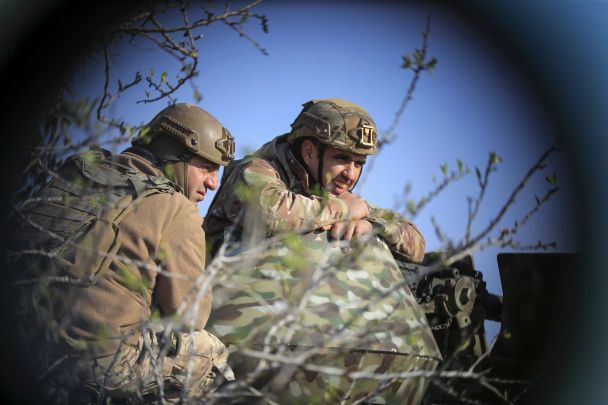
According to ТСН: The number of military contingents from Great Britain and France in Ukraine, in the event of a ceasefire, turned out to be less than expected: the countries plan to send a total of up to 15,000 troops.
Initially, the military leadership of Great Britain considered the possibility of sending 10,000 personnel as part of a larger 'coalition of the willing,' whose strength reached 64,000. However, given the current capabilities of the British army, such a figure was deemed impossible by the Ministry of Defense.
According to preliminary estimates, less than 7,500 British troops are planned to be stationed in Ukraine. This figure is also a challenge for Great Britain, which has 71,000 trained personnel.
"France is the only other country that has committed to sending soldiers to Ukraine, and it is expected that they will make up the remainder of the contingent, which will be stationed in the relatively safe western part of the country, far from the front lines,"the publication notes.
Several sources believe that the total number of peacekeepers at 15,000 troops is optimistic. It is also highlighted that Germany is ready to send its troops near Ukraine, possibly in Poland or Romania.
Different scenarios could lead to varying numbers of peacekeepers, depending on the outcomes of peace negotiations. Officially, British Prime Minister Keir Starmer has not disclosed the numbers of soldiers that will be sent to Ukraine, but he recently signed an agreement on the operations of British troops on Ukrainian territory. According to the plan, the troops from Britain and France will assist in training the Ukrainian army and will oversee the construction of secure facilities for storing weapons and military equipment.
At the same time, the US, according to the signed declaration, will lead high-tech monitoring of the ceasefire line in the event of a peace agreement. Representatives of the British Ministry of Defense believe that Russian leader Putin will not dare to violate the ceasefire agreement.
The Eastern Flank of NATO warns against sending troops to Ukraine: main reasons
According to information from military sources, countries on the eastern flank of NATO "are hesitating" regarding sending troops, as it may "weaken their border defense." Some states are also concerned about the possibility of a Russian invasion, for example, in Latvia, if troops are concentrated in Ukraine.
"If the level of threat rises, and we withdraw, then what is the point, it will calm no one,"a source emphasizes.
Meanwhile, the British Ministry of Defense reported that specific figures have not yet been agreed upon, as troop deployment will depend on the conditions of a potential ceasefire.
Foreign troops in Ukraine
Canadian Prime Minister Mark Carney noted that Canada could place its troops in Ukraine as part of multinational forces and train Ukrainian soldiers, but this is only possible after a peace agreement is reached. He also emphasized that participation in foreign forces would have "a much greater effect than if we acted alone".
German Chancellor Friedrich Merz stated that German troops will not be stationed in Ukraine, even after a ceasefire is reached, but Berlin will continue to provide support: political, financial, and military.
Belgian Prime Minister Bart De Wever stressed that the country will take on part of the peacekeeping efforts after the fighting ends, providing air and maritime capabilities, as well as ensuring training programs.
This news highlights the complexities in the plans regarding the military contingent in Ukraine, which arise amidst instability in the region. Due to changing military conditions, the number of troops from other countries may change further if peace negotiations yield results. The situation remains serious and requires constant monitoring by international observers.
Read also
- Strikes on Moscow Shatter Putin’s Image of Invincibility, Expert Explains
- Kyiv Council Allocates an Extra UAH 2 Billion for Military Support: What This Means
- Zelensky in Brussels: NATO and Ukraine to Announce Ramstein Meeting Outcomes
- Zelenskyy Urges Stronger Air Defense in Brussels: New Threats Emerge
- At Ramstein, Zelenskyy Pushes for Deeper Defense Integration: Key Takeaways from the Talks
- Europe Can Only Build a Strong Army with Ukraine, Zelensky Tells Ramstein Allies