Slavutych Builds Its Own Power Island: How Ukraine’s Youngest City Prepares for Blackouts.

Slavutych’s Energy Island Initiative
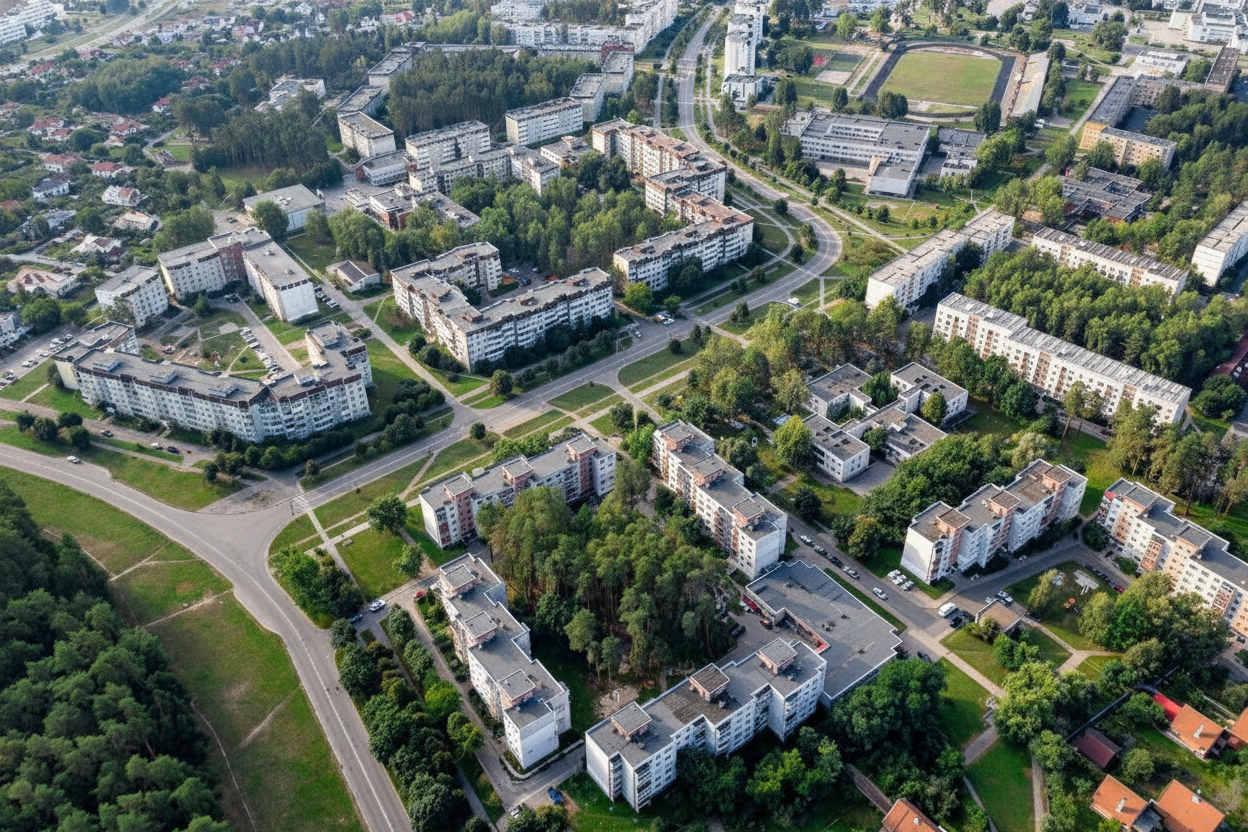
According to Espreso.tv: Slavutych, Ukraine’s youngest city, is actively developing its own energy island to secure electricity during blackouts. This project aims to strengthen the city’s energy security by harnessing renewable sources, including solar stations and cogeneration units.
Founded in 1986 after the Chernobyl nuclear disaster, Slavutych housed many workers from the Chernobyl Nuclear Power Plant until 2000. In 2019, the city launched the energy cooperative 'Sunny City,' a key step toward energy independence. Currently, Slavutych consumes 7 MW of electricity but generates only about 4 MW, highlighting the urgent need to expand its own production capacity.
Challenges and Goals
The city operates four cogeneration units of varying capacities, alongside solar generation that contributes roughly 2 MW. Starting January 1, 2023, the municipal enterprise earned its first revenue from cogeneration. Between June and July 2022, three generating units were connected and began operations, marking a significant milestone in developing the city’s energy infrastructure.
Yurii Fomichev, a local government representative, stated: 'We consume 7 MW and now produce nearly 4 MW.'
He also noted existing debts that threaten the city’s financial stability. 'So, by giving our heat supply company a tool to earn money, we help it avoid bankruptcy,' he added.
Slavutych faces challenges like balancing electricity consumption and navigating legal issues tied to energy projects. Yet, the city has clear goals to ensure energy resilience and economic security for its residents. Expanding renewable energy sources is central to achieving these aims, and the energy island will be a critical step forward.
Creating this energy island could significantly boost Slavutych’s energy independence, especially amid Ukraine’s unstable power supply. Given the city’s historical background and socio-economic struggles, this initiative also has the potential to serve as a model for other regions in building renewable energy systems. Developing such projects may enhance energy security and reduce reliance on traditional power sources.
Read also
- Wheat Prices Surge After Ukrainian Drones Halt Shipping in the Sea of Azov
- Over Half a Million Russians Declared Bankrupt as Economy Cracks Under Pressure
- Ukraine’s Inflation Trend Shifts: Fuel Costs Drop While Service Prices Climb
- Fear of a New Mobilization Wave Drives Russians to Mass-Buy Property Abroad
- Moscow Admits Fuel Shortage for First Time Amid Drone Strikes: Long Lines at Gas Stations and Crisis Affecting 50 Million Russians
- World Bank Disburses $3.35 Billion to Ukraine: Here’s How the Funds Will Be Used