Chameleon-Like Solar Panels: How Reflected Light Can Double Energy Output.

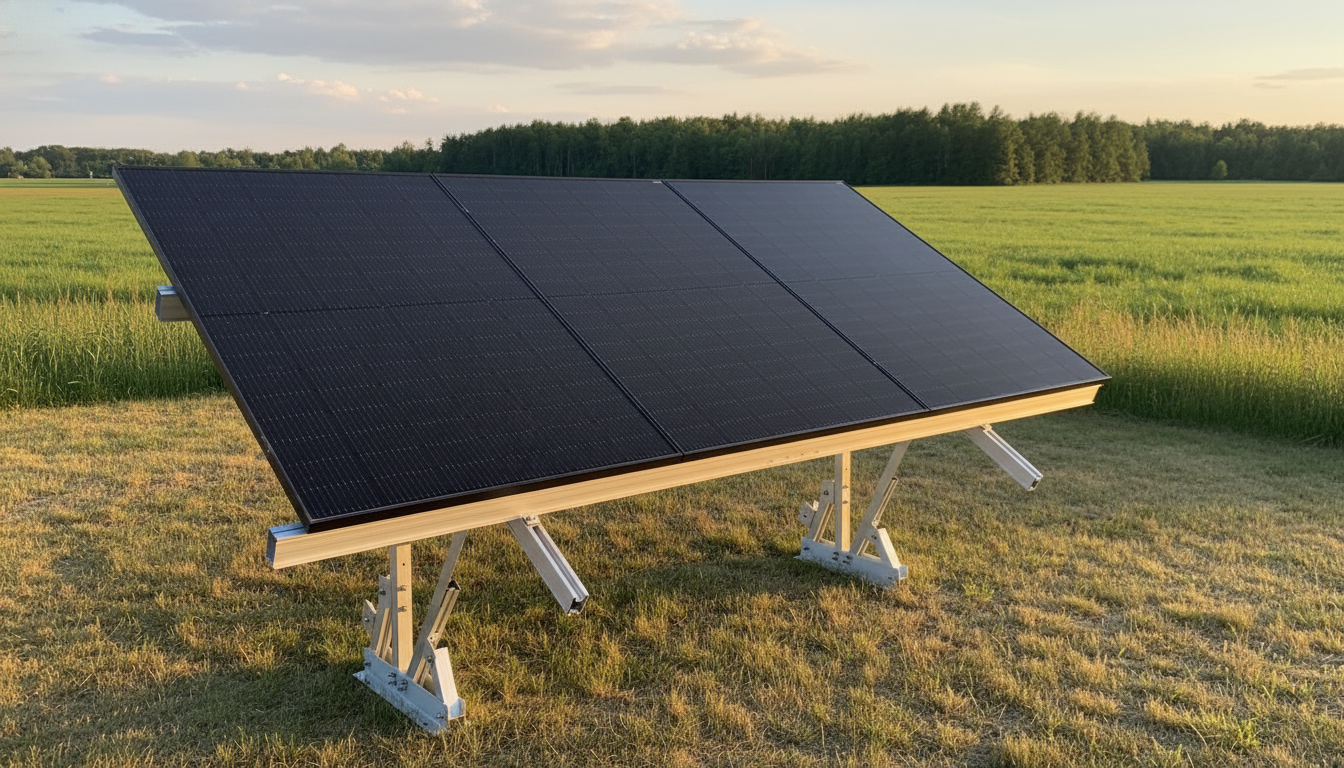
Pros and Cons of Single-Sided vs. Bifacial Solar Panels
According to Novyny.live: Solar panels are becoming an increasingly popular choice for electricity generation, with single-sided and bifacial models drawing particular attention. These two panel types differ in design and efficiency, which affects their use in various conditions. Understanding their differences is key for homeowners and businesses looking to maximize renewable energy investments.
Single-sided panels generate power from only one side. They are built with tempered glass on the front and an opaque backsheet, making them simpler to install and more cost-effective. In contrast, bifacial panels feature photovoltaic cells on both the front and back, allowing them to capture reflected light. The rear side of these panels must be transparent, which boosts their overall efficiency.
Efficiency and Installation Requirements
The efficiency of bifacial panels depends on reflected light, which can significantly enhance their performance. On light-colored surfaces, energy gains from bifacial panels can reach up to 25%. According to data from LONGi in 2018, bifacial panels produced 11% more energy than single-sided ones. When paired with a solar tracker system, the increase was 19.27%, highlighting the advantages of bifacial panels under optimal conditions.
However, installing bifacial panels comes with specific requirements. They need to be mounted at least 90 cm above the ground, which makes installation more complex compared to single-sided panels. Overall, single-sided panels remain cheaper and easier to install, but the choice between these types depends on specific operating conditions and user needs.
Given the growing demand for renewable energy, it is important to consider the unique features of each solar panel type. Single-sided panels may be the best option for households with limited budgets or installation space, while bifacial panels can deliver higher performance in suitable environments. The decision between these technologies hinges on the specific requirements of users and their installation conditions, underscoring the need for a tailored approach to solar solutions.
Read also
- Windows That Generate Power Even at Night: A New Solar Innovation
- GE Aerospace’s Hybrid-Electric Aircraft Reaches 30,000 Feet in Key Test Flight
- Kyiv Officially Launches 5G: Coverage Areas and Speed Details Revealed
- World’s First Safety Certification Awarded to Swedish Wave Energy Converter Inspired by the Human Heart
- First U.S.-Ukraine Drone Agreement Signed: What It Means for Defense Cooperation
- OpenAI’s AI Agent Breaches Hugging Face in an Unprecedented Cybersecurity Incident