Washington Weighs Its Options: Potential U.S. Responses to Iran.

U.S. Strategic Ambiguity Toward Iran
According to UATV: The United States is actively debating its strategic approach toward Iran, yet has not settled on a specific course of action. According to political analyst Igor Petrenko, Washington recognizes the need for decisive measures but remains undecided on which scenario to pursue. Among the options reportedly under consideration are airstrikes or even the physical elimination of Iran's leadership. This deliberation comes amid heightened regional tensions and a complex geopolitical landscape.
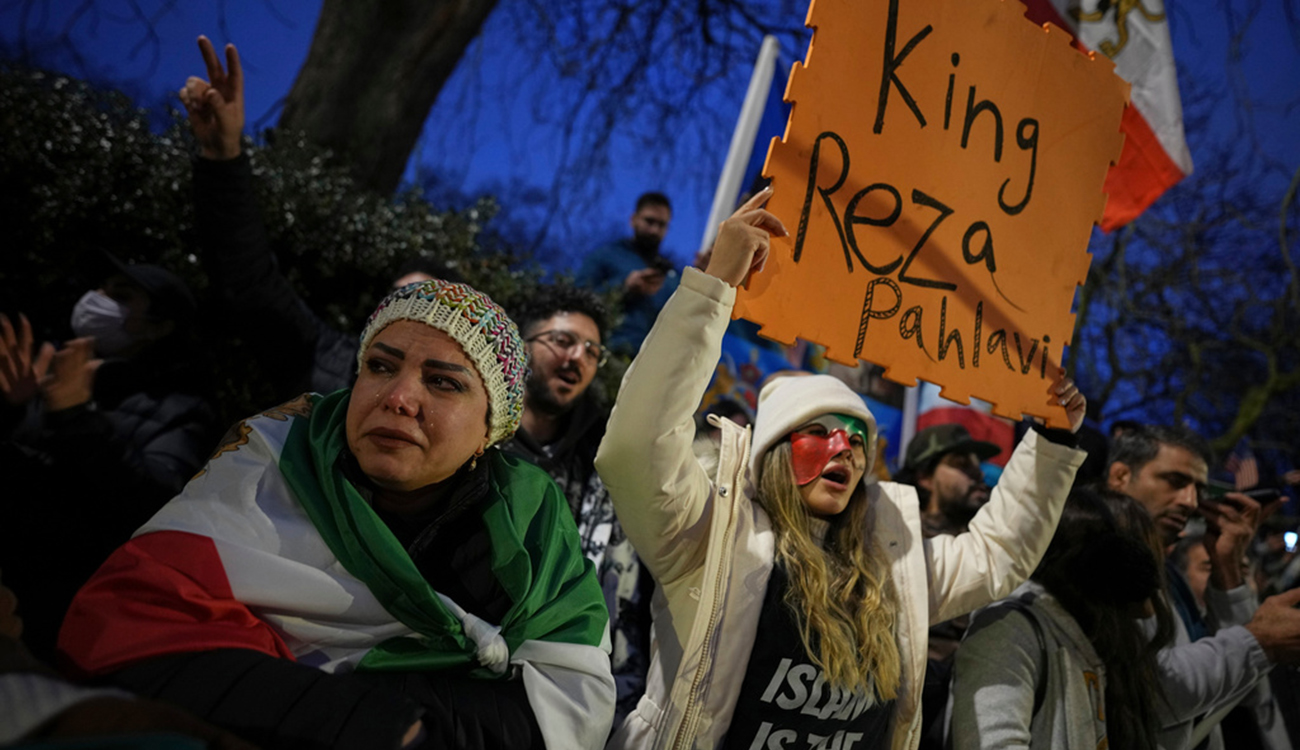
Petrenko emphasizes that the Iranian regime lacks substantial support from its own populace, a factor that could influence U.S. decision-making. He notes that the Islamic Revolutionary Guard Corps (IRGC) harshly suppresses any dissent, indicating significant internal instability within the country. This domestic fragility could become a key consideration for potential shifts in Washington's foreign policy.
Regional Dynamics and International Relations
Further complicating the situation, Iran and Russia have signed a strategic cooperation treaty. However, Petrenko points out that Russia lacks the necessary resources to provide substantial aid to its partners. Regional tensions remain high, as demonstrated by a recent 12-day war which, the expert says, failed to produce significant changes and remained largely at the level of rhetoric.
"The American administration has also conveyed a message to Iran expressing a readiness to negotiate, which may signal an intent to find a diplomatic resolution to the conflict."
Igor Petrenko
Petrenko believes the optimal outcome for U.S. President Donald Trump would be for Iran to agree to new concessions and sign a fresh nuclear agreement. Concurrently, the expert suggests that if the regime in Tehran were to collapse, it could be viewed as a factor weakening the Russian Federation as well.
Commenting on the stance of Russian President Vladimir Putin, Petrenko observes that he is unlikely to make any sudden moves due to a lack of resources and a need to maintain dialogue with Trump. In the analyst's view, Putin will likely adopt a wait-and-see approach, observing developments without actively intervening in the conflict.
Thus, the United States' strategic ambiguity regarding Iran persists, with potential action scenarios still under discussion. The situation in and around Iran is a pivotal factor in international politics, directly impacting stability across the broader Middle East. U.S. actions could have significant repercussions not only for Iran but also for Washington's relations with other global powers, making prolonged uncertainty a source of potential new security and diplomatic challenges.
Read also
- Zelensky and Top Military Command Outline Response Plan to Russian Strikes
- EU's New Sanctions Package Targets Crypto Platforms Used to Bypass Restrictions
- New directives for Ukraine's National Security and Defense Council: Zelenskyy assigns tasks to Umerov and Klymenko
- Ukraine Extradites Former Lawmaker Demchak in Major Push to Bring Back Suspects
- EU Adopts 21st Sanctions Package Against Russia: What the New Restrictions Target
- Lithuania Accuses EU Nations of Undermining Sanctions for Their Own Economic Gain