U.S. and European Allies Finalize Military Contingency Plan for Potential Russian Treaty Violation.

A Coordinated Military Response Strategy
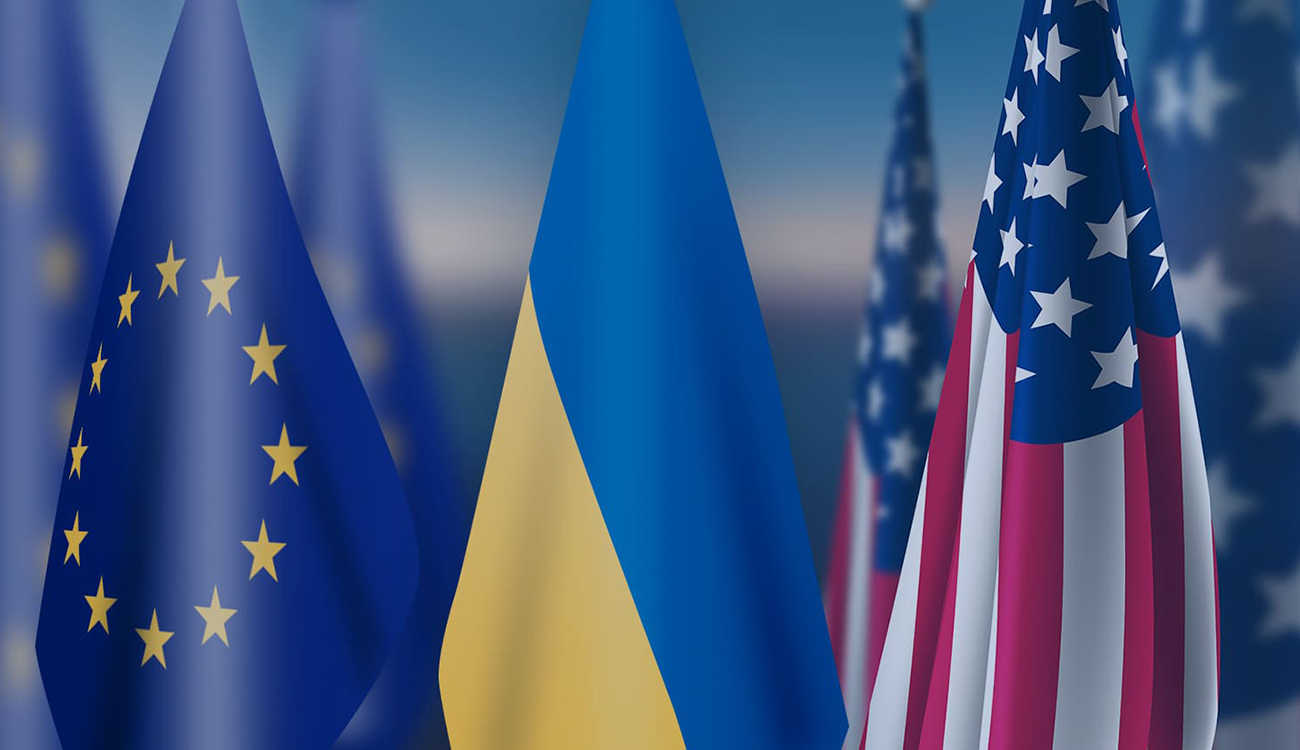
According to UATV: The United States and its European partners have finalized a multi-tiered military contingency plan. This coordinated strategy is designed to be enacted should Russia violate the terms of a future peace agreement, with actions triggered by any ceasefire collapse that threatens regional stability.
Under the agreed-upon mechanism, should violations persist for more than 72 hours, an expanded military response involving U.S. Armed Forces would be initiated. These critical decisions were reached during a series of consultations held in December and January involving representatives from Kyiv, Brussels, and Washington. This planning underscores Western resolve to deter aggression and uphold any future diplomatic settlements.
Upcoming Diplomatic Talks
The next round of peace negotiations is scheduled for February 4th and 5th in Abu Dhabi. While the parties have already agreed on several preliminary points, the core issue of territorial disputes remains unresolved. The military contingency plan is intended to provide a security backstop, aiming to ensure stability in the region amid ongoing uncertainty surrounding Russia's actions.
The adoption of this detailed response plan signals the seriousness of Western intentions to enforce peace and stability, particularly given past instances of broken agreements. The upcoming talks in Abu Dhabi could prove pivotal for the future trajectory of the conflict, shaping the next steps in relations between Ukraine and Russia, as well as between the West and Moscow.
Read also
- Zelensky and Top Military Command Outline Response Plan to Russian Strikes
- EU's New Sanctions Package Targets Crypto Platforms Used to Bypass Restrictions
- New directives for Ukraine's National Security and Defense Council: Zelenskyy assigns tasks to Umerov and Klymenko
- Ukraine Extradites Former Lawmaker Demchak in Major Push to Bring Back Suspects
- EU Adopts 21st Sanctions Package Against Russia: What the New Restrictions Target
- Lithuania Accuses EU Nations of Undermining Sanctions for Their Own Economic Gain