U.S. and Iran Edge Toward Full-Scale War After Missile Strike and Leadership Losses.

Military Escalation Between the U.S. and Iran
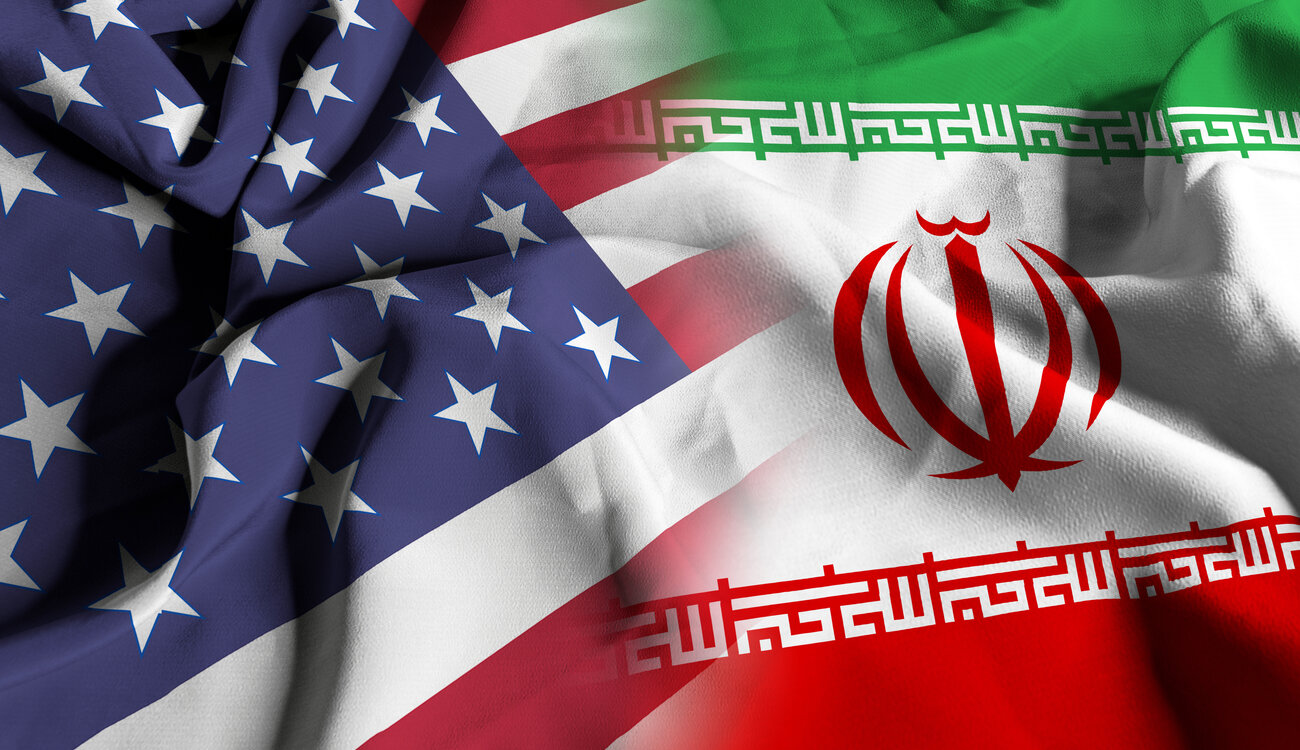
According to UATV: Military tensions between Iran and the United States, alongside its allies, have escalated dramatically. A significant recent development was the downing of an Iranian ballistic missile headed toward Turkey, marking the first time Iran has attacked a NATO member state. In this ongoing operation, more than 50,000 U.S. troops are engaged, supported by over 200 military aircraft and two aircraft carriers.
U.S. forces have destroyed 17 Iranian vessels, including a submarine. Furthermore, in a joint American-Israeli operation, 48 members of Iran's military-political leadership were eliminated, among them the nation's Supreme Leader, Ali Khamenei. In a related development, Khamenei's son, Mojtaba, has been identified as a potential successor, a move that could shape Iran's future direction.
Conflict Intensifies
Senior U.S. officials have provided details on the operation's scope. As Brad Cooper stated,
"We have already struck nearly 2,000 targets with more than 2,000 munitions."This statement underscores the operation's significant scale and precision. Donald Trump also commented on the situation, saying,
"That is, when there is an opportunity to completely eliminate a threat to the security of the United States."
The conflict's regional expansion is evident, with the United Arab Emirates coming under numerous attacks from Iran. These events continue to cause grave concern within the international community and raise urgent questions about security across the Middle East. The region is a critical global energy supplier, making stability there a paramount international concern.
Given these developments, the confrontation between Iran and the U.S. threatens to have profound consequences for regional stability, neighboring nations, and global security. The surge in military activity and heightened tensions could precipitate further armed conflict and humanitarian crises, demanding an urgent response from world powers.
Read also
- Trump Demands Payment from Five Nations for Protecting the Strait of Hormuz
- Election Law Dispute Drives Trump to Block Housing Bill—What It Means for the Digital Dollar
- U.S. Strikes Iran and Takes Control of the Strait of Hormuz: What We Know So Far
- South Carolina Appoints Its First Female Senator to Replace Lindsey Graham
- Oil Tanker Attack in the Strait of Hormuz: One Dead, Several Injured Including Ukrainian Nationals
- Trump Declares U.S. Control Over Strait of Hormuz and Demands Payment