Iran's Supreme Leader Killed in Joint U.S.-Israeli Strike; Missile Barrage Launched in Retaliation.

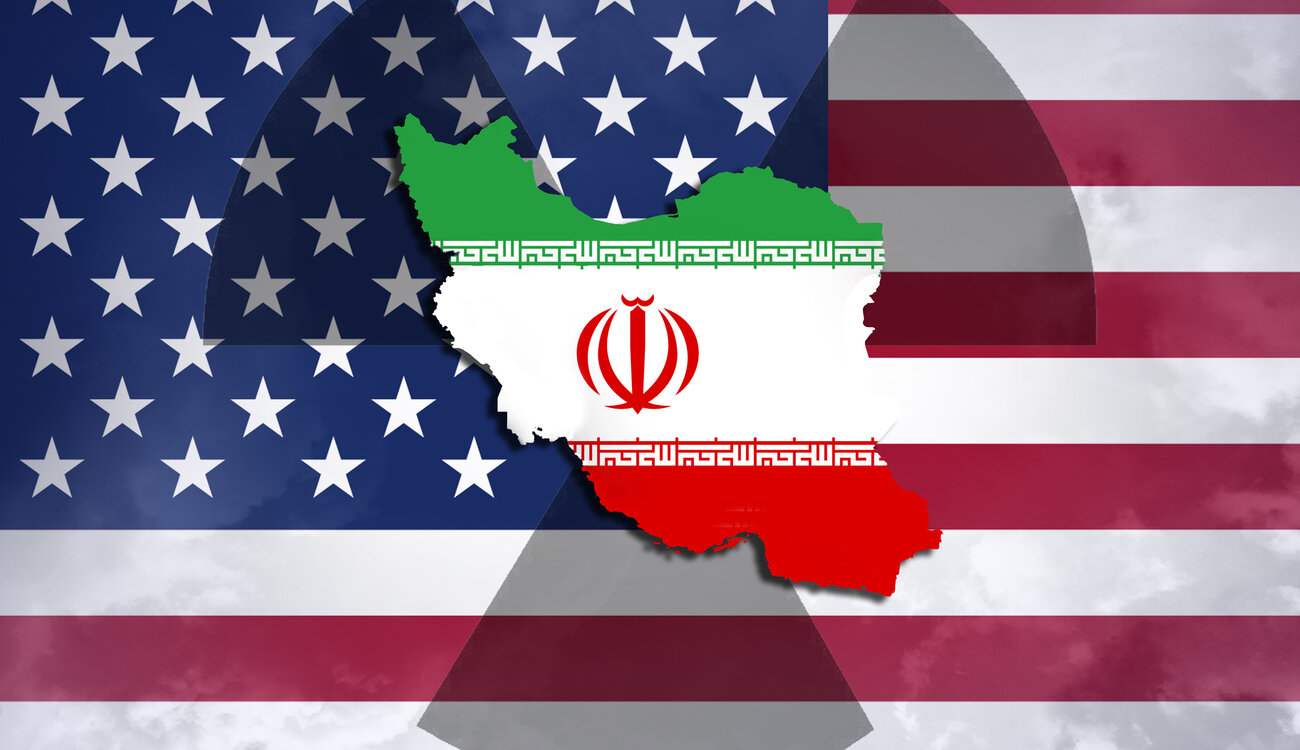
U.S. and Israel Conduct Joint Operation Against Iran
According to UATV: In a continuing joint operation, U.S. and Israeli forces have killed Iran's Supreme Leader, Ali Khamenei. U.S. President Donald Trump confirmed the action, stating that American military strikes against Iran will continue until the current regime is completely destroyed. Khamenei, who was 86, was a pivotal figure in Iran's political landscape for decades. His death marks a significant escalation in the long-standing tensions between Iran and the West.
Iran's Retaliation and International Reaction
Within the first 12 hours of the operation, the U.S. conducted approximately 900 strikes from land, air, and sea. In response, Iran launched around one hundred missiles and drones, targeting U.S. bases located in the United Arab Emirates, Qatar, and Bahrain. Israel executed the mission to eliminate the Iranian leadership using intelligence on Khamenei's location provided by the CIA.
Iranian authorities have confirmed the death of the 86-year-old Supreme Leader, signaling a potential major shift in the country's political situation. In light of the escalating conflict, UK Prime Minister Keir Starmer and European Commission President Ursula von der Leyen have condemned Iran's attacks, urging restraint and dialogue in the region.
The elimination of Ali Khamenei could have profound consequences for Iran's domestic and foreign policy, as he was a symbol of the Islamic Revolution and the principal architect of Iranian state strategy.
A change in leadership could lead to intensified internal power struggles or, conversely, create an opening for new negotiations with the international community. The existing regional tensions are likely to worsen, as Iran's responses to U.S. military actions may trigger further escalations. External powers, including the United Kingdom and the European Union, continue to advocate for dialogue, emphasizing the critical need for stability in the strategically vital Middle East.
Read also
- Trump Announces License for Patriot Missile Production in Ukraine: What It Means
- Russia Deploys Command Aircraft to Iran: Flight to Beijing Raises Questions
- Trump Demands Payment from Five Nations for Protecting the Strait of Hormuz
- Election Law Dispute Drives Trump to Block Housing Bill—What It Means for the Digital Dollar
- U.S. Strikes Iran and Takes Control of the Strait of Hormuz: What We Know So Far
- South Carolina Appoints Its First Female Senator to Replace Lindsey Graham