U.S. and Israeli Forces Strike Dozens of Iranian Sites, Including Presidential Compound.

Joint U.S.-Israeli Military Operation Targets Iran
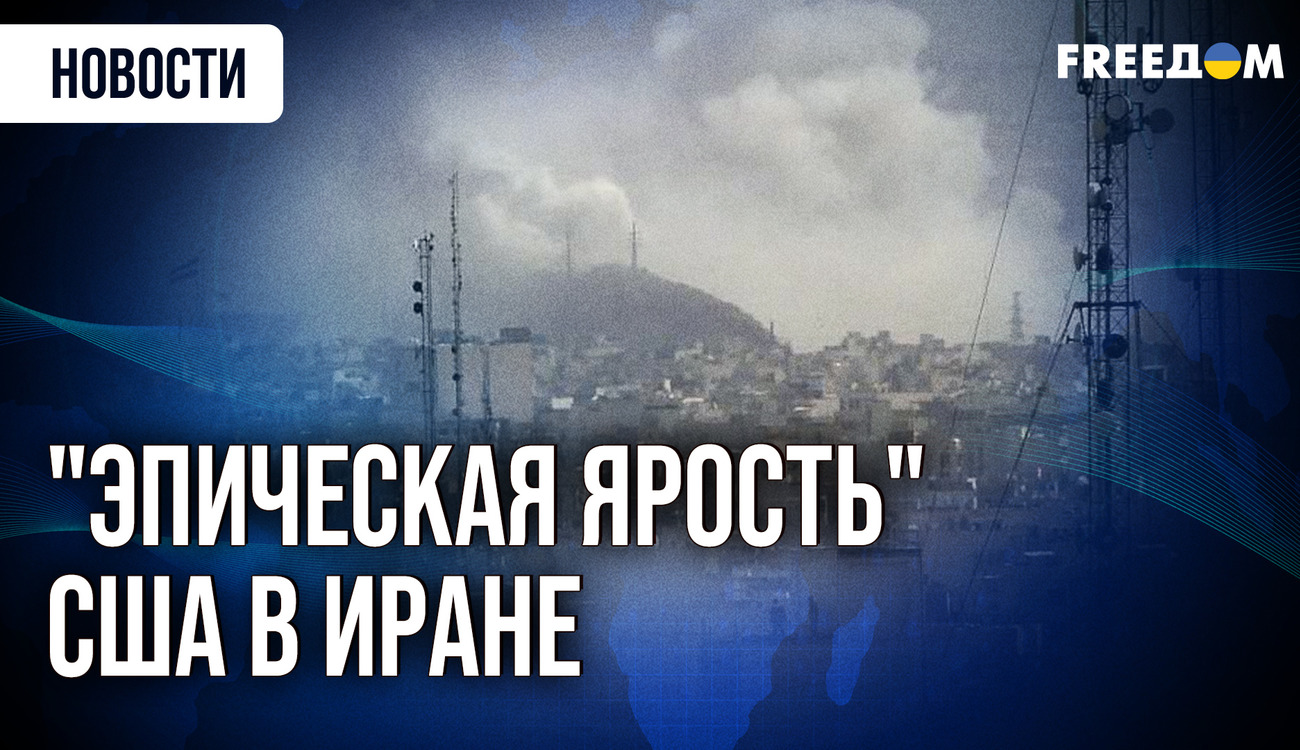
According to UATV: On February 28, 2023, a coordinated military strike by the United States and Israel hit approximately thirty targets across Iran. Among the facilities struck were the Iranian president's official residence and the main headquarters of the nation's intelligence agency. The Israeli military designated its part of the mission "Lion's Roar," while the U.S. operation was code-named "Epic Fury." Israeli Prime Minister Benjamin Netanyahu confirmed the joint action with the U.S., stating that the Iranian regime "must not possess nuclear weapons." U.S. President Donald Trump also confirmed American involvement in the strikes, emphasizing the critical importance of preventing Iran from acquiring a nuclear arsenal. This attack represents a significant escalation in the long-standing covert conflict between these nations.
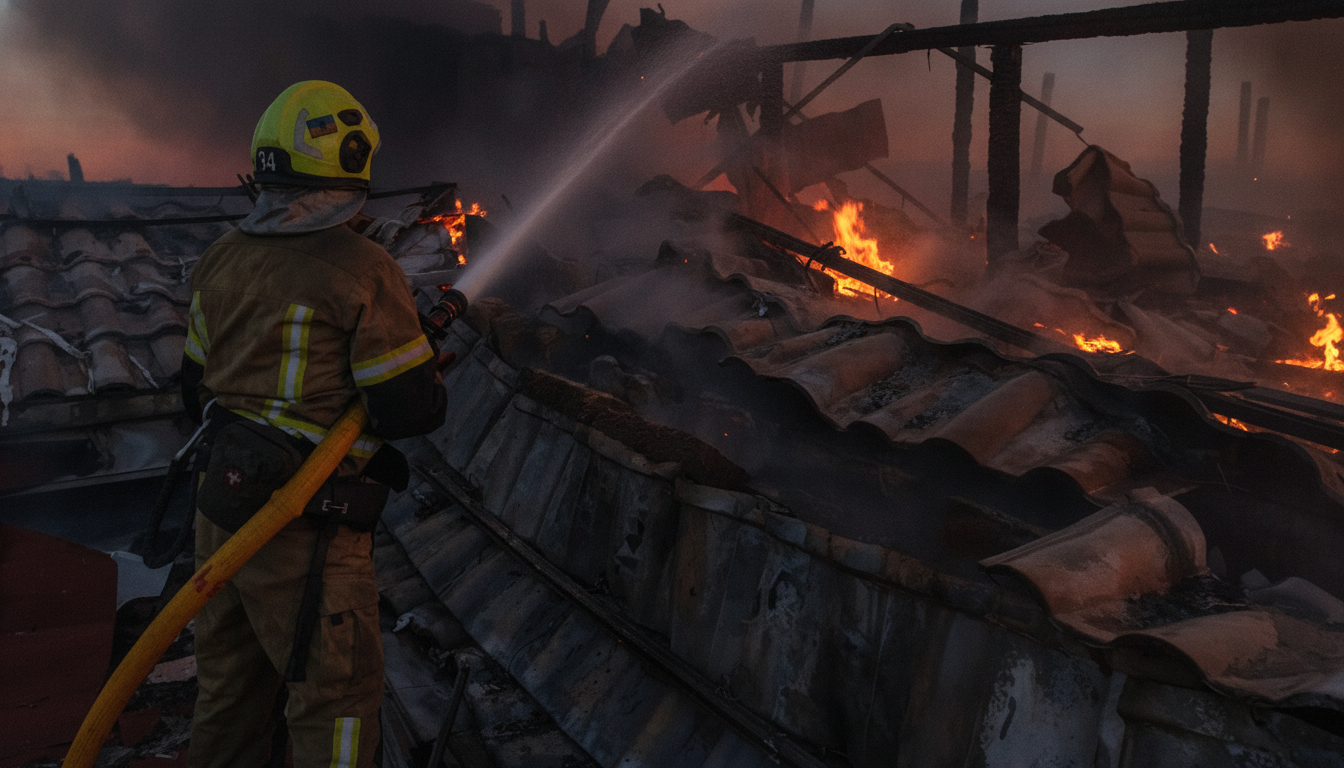
The assault triggered powerful explosions in Tehran, sending plumes of smoke into the sky above the capital. In retaliation, Iran launched ballistic missiles toward Israel, prompting air raid sirens to sound across the country and in several neighboring nations. Air raid alerts were activated throughout Israel and in countries including Jordan, Bahrain, the United Arab Emirates, and Qatar. The threat of missile fire also caused major disruptions at Ben Gurion Airport, where hundreds of passengers and staff were forced to take shelter.
International Response to the Strikes
The Ministry of Defence of the United Arab Emirates confirmed it had successfully intercepted missiles launched from Iran. Qatar's Ministry of Defence stated it had repelled a second wave of attacks. Concurrently, UAE defense officials reported that the country had "been subjected to a blatant assault involving Iranian ballistic missiles." Qatar's Ministry of Defence similarly expressed grave concern, labeling the Iranian strikes a "flagrant violation" of its sovereignty. The involvement of Gulf states highlights the regional nature of the confrontation.
These events mark a dangerous escalation of tensions between Iran, the U.S., and Israel. The military actions could have severe consequences not only for security in the Middle East but also for global stability, as the involvement of multiple nations risks triggering a wider cycle of violence and worsening international relations. The situation demands careful monitoring by international organizations and world powers to avert a full-scale regional conflict.
Read also
- 50% Tariffs Imposed by Trump on Canadian Goods: Automobiles, Alcohol, and Dairy Hit Hard
- Trump Denies Netanyahu Arrest in US as ICC Warrant Looms Over Israeli PM’s UN Visit
- What Trump and the UK’s New Prime Minister Discussed in Their First Call
- Iran Faces US-Israel Ultimatum: Accept a Ceasefire or Prepare for Joint Military Action
- Iran Crisis Deepens: Why a Military Solution Is Inevitable, According to an Expert
- Why Rubio’s Call to Protect Shipping in the Strait of Hormuz Matters for Global Security