Paris Talks Between U.S. and China Set Stage Ahead of Trump's Visit.

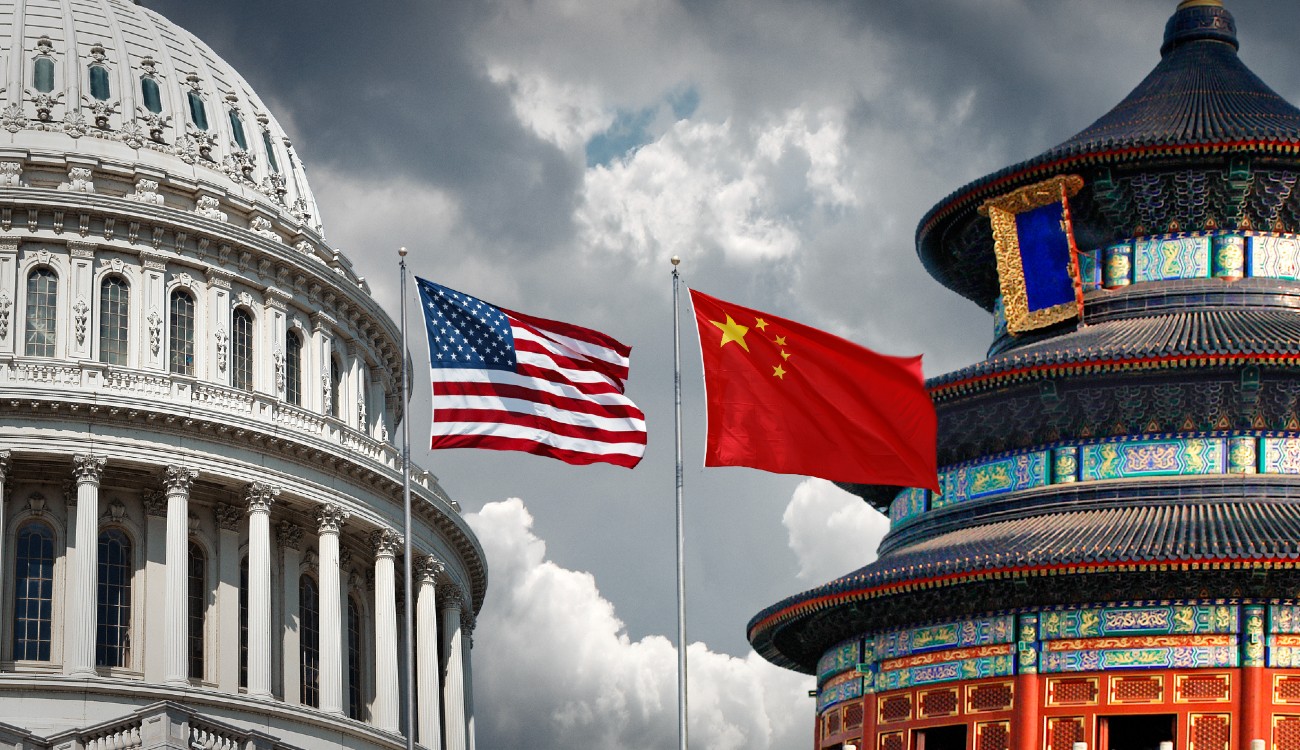
U.S.-China Meeting in Paris
According to UATV: American and Chinese officials have convened in Paris to lay the groundwork for a leaders' summit scheduled from March 31 to April 2. The discussions center on tariff policies, rare earth metal supplies, and high-tech exports. This meeting marks a critical step in shaping the trajectory of bilateral relations.
President Donald Trump’s planned trip to China in late March now faces heightened scrutiny, particularly regarding the potential imposition of tariffs. Notably, Trump lacked the legal authority under the International Emergency Economic Powers Act to enact such duties. Consequently, the outcome of these Paris talks could significantly influence whether his visit to China proceeds as planned.
The results of these negotiations will determine the fate of President Donald Trump’s trip to China.
The discussions also touched on sensitive issues, including arms sales to Taiwan. Chinese leader Xi Jinping urged Trump to exercise caution on this matter, as Beijing has ramped up military activities around the island. Meanwhile, the U.S. is preparing a substantial weapons package for Taiwan, a move that risks further escalating regional tensions.
China’s Ties with Russia and Iran
Reports have also emerged that China is deepening its collaboration with Russia and Iran. This development has raised concerns in Washington. As National Security Advisor Mike Waltz noted:
Neither China nor Russia wants a functional sanctions committee because they aim to protect their partner.
Additionally, Russia has proposed postponing the requirement to use domestically produced fiber optics until 2028, a shift that could reshape economic dynamics between the involved nations.
According to Chinese Foreign Minister Wang Yi, this year promises to be pivotal for U.S.-China relations. The Paris negotiations may prove decisive in defining both countries' strategies across economic and security domains.
The atmosphere surrounding U.S.-China relations remains tense, and the results of these talks could have far-reaching implications for global economics and security. China’s increased military presence near Taiwan, along with its strengthening alliances with Russia and Iran, points to potential consequences for regional stability. A successful dialogue between the U.S. and China might help avert conflict escalation, but uncertainty over trade and security issues persists.
Read also
- China Demands a Fivefold Price Cut: Stalemate in Power of Siberia 2 Pipeline Talks
- China's Trade Leverage Over Russia Surges from 10% to 40% as Putin Becomes the Dependent Partner
- Why Belarus Avoids War While Lukashenko Recruits Migrants and Expands the Army
- China Backs North Korea’s Nuclear Build-Up as Pyongyang Escalates Military Ambitions
- Can Sybiha’s Trip to China Shift Beijing’s Stance on the War?
- Zelenskyy Issues Lukashenko an Ultimatum: One Week to Dismantle Relay Stations