U.S. and Russia to Hold Military Talks in Abu Dhabi on February 5.

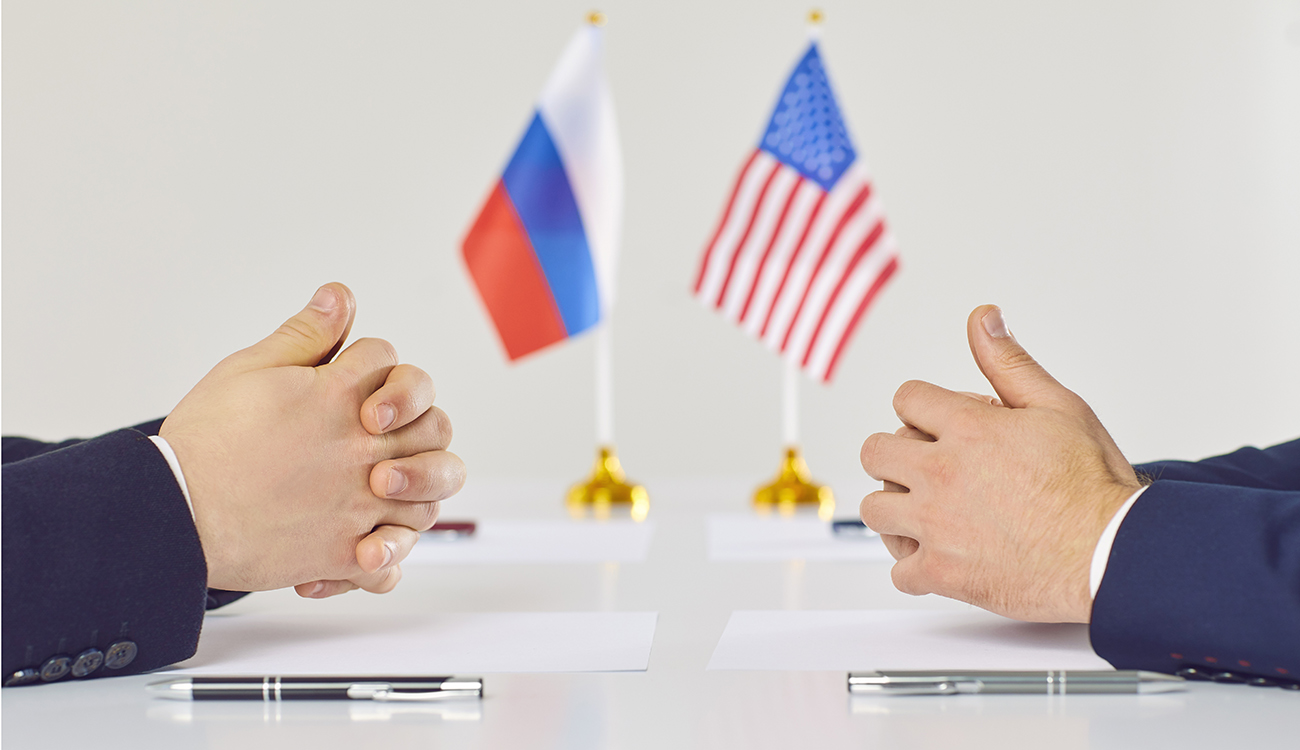
U.S.-Russia Military Dialogue to Resume
According to UATV: Following a hiatus since autumn 2021, the United States and Russia have agreed to restart their military dialogue. This significant step will begin with negotiations scheduled for February 4-5 in Abu Dhabi, aiming to re-establish a crucial communication channel between the two powers.
The planned talks will involve delegations from the United States, Ukraine, and the Russian Federation. Resuming this military dialogue is seen as a potential avenue for reducing tensions and fostering better mutual understanding, which is critical given the ongoing conflict in Ukraine. This meeting represents a rare opportunity for direct discussion amidst severely strained relations.
With the previous communication channel inactive, the new negotiations in Abu Dhabi could open possibilities for further discussion and cooperation on military matters. The outcomes of these meetings are expected to carry significant weight for regional stability in Eastern Europe and beyond.
Implications of the Dialogue's Resumption
The revival of military talks between the U.S. and Russia could mark a pivotal development against the backdrop of heightened international tensions. Interaction at the military representative level may help mitigate the risks of miscalculation and conflict escalation, which is especially vital in the current climate of global instability.
The results of these negotiations could influence not only bilateral relations but also the broader security architecture in Europe and the international community.
Read also
- Zelensky and Top Military Command Outline Response Plan to Russian Strikes
- EU's New Sanctions Package Targets Crypto Platforms Used to Bypass Restrictions
- New directives for Ukraine's National Security and Defense Council: Zelenskyy assigns tasks to Umerov and Klymenko
- Ukraine Extradites Former Lawmaker Demchak in Major Push to Bring Back Suspects
- EU Adopts 21st Sanctions Package Against Russia: What the New Restrictions Target
- Lithuania Accuses EU Nations of Undermining Sanctions for Their Own Economic Gain