Your Legal Options When a Neighbor Builds Within 3 Meters of Your Property Line.

Navigating Property Disputes in Ukraine
According to Novyny.live: In Ukraine, disputes frequently arise from construction on neighboring plots, causing significant concern for adjacent landowners. Research indicates that strict adherence to legal standards is vital for protecting the rights of all parties involved. The country's established framework of neighborly conduct rules aims to minimize conflicts and ensure harmonious coexistence between property owners.
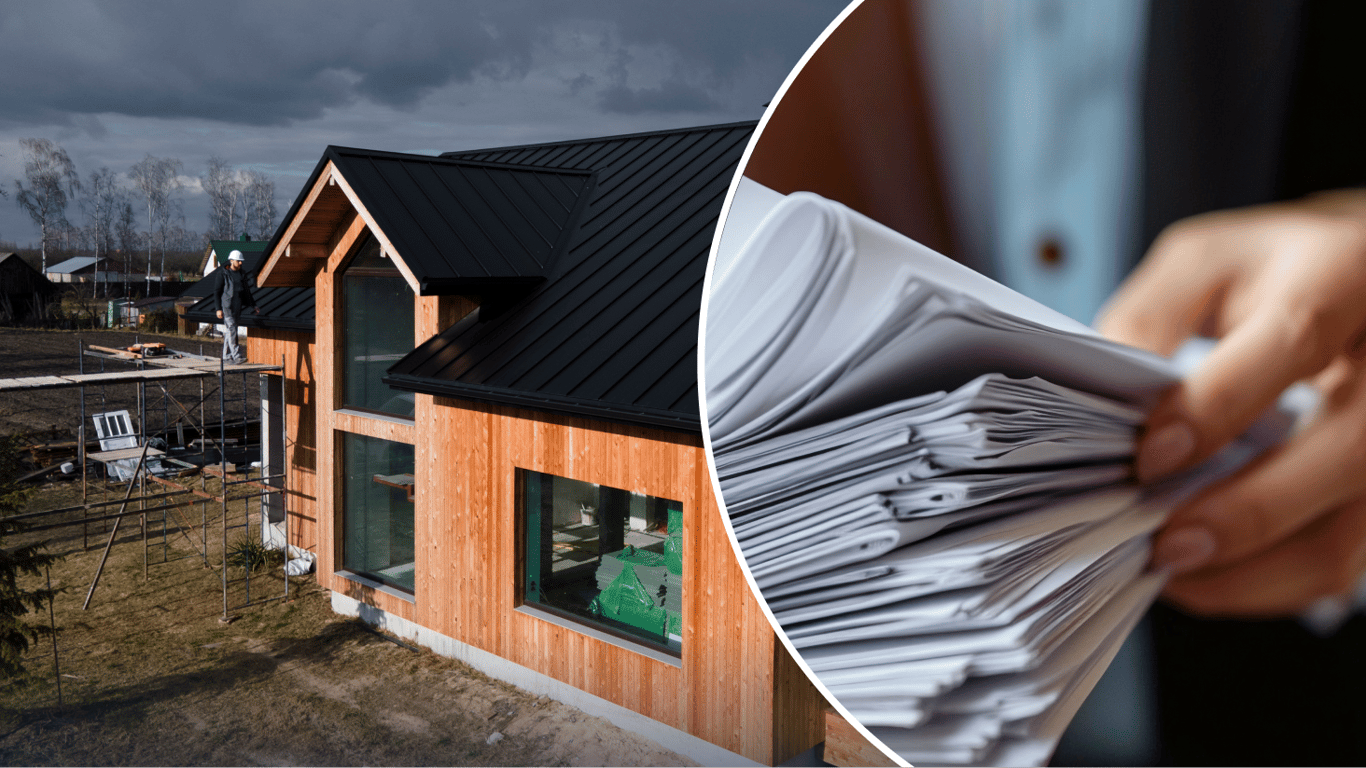
Article 103 of the Land Code of Ukraine mandates that landowners must use their property in a way that causes the least inconvenience to their neighbors. This principle covers various construction aspects, including required distances between structures and property boundaries. For instance, a minimum distance of 3 meters must be maintained between a residential building and the property line, while sheds, garages, and other outbuildings require a 1-meter setback. These regulations are designed to prevent disputes that can emerge from structures being built too close together.
Resolving Construction Disputes
If a neighbor violates these rules, it's crucial to understand the steps available for resolving the conflict. According to Article 158 of the Land Code, local self-government bodies can adjudicate land disputes. Furthermore, the State Inspectorate for Architecture and Urban Planning (DIAM) holds the authority to review and verify construction permits. This provides a formal channel for neighbors to report suspected violations of building codes.
Should significant breaches of regulations be confirmed, property owners have the right to initiate legal proceedings. Article 376 of the Civil Code of Ukraine stipulates that a court can order the demolition of a structure built with substantial violations. This underscores the legal responsibility of builders to comply with all regulations and the potential consequences for failing to do so.
Other practical considerations are also legally relevant. For example, a neighbor's roof cannot be designed to channel all rainwater onto your property. This is another critical factor to consider during the planning and construction phases to avoid future disagreements.
Ultimately, compliance with both the spirit of neighborly conduct and the letter of the law is essential for preventing conflicts. Landowners should be fully aware of their rights and the mechanisms available to protect their interests when building norms are infringed upon. Understanding these procedures is increasingly important as urban development and densification make boundary disputes more common. Adherence to these rules not only protects individual rights but also contributes to the sustainable and harmonious development of communities, where safety and quality of life depend on cooperative relationships between neighbors.
Read also
- War Transformed Her Life: Donetsk Teacher Creates Ukraine’s Largest Embroidered Shirt
- Kids Pick a Backpack in Seconds: What School Bags Must Offer in 2026
- Why Displaced Residents of Mariupol Face Barriers to Housing Compensation
- Kyiv Electric Train Prices Increase from July 22: Fare Will Rise to 37 Hryvnias
- Russia Fines Residents for Storing Gasoline in Garages Amid Fuel Shortages
- Why Internally Displaced People in Ukraine Can't Get Mortgages: A Key Obstacle Identified