Your Phone Isn’t Listening to You: Here’s How Ads Actually Know What You Want.

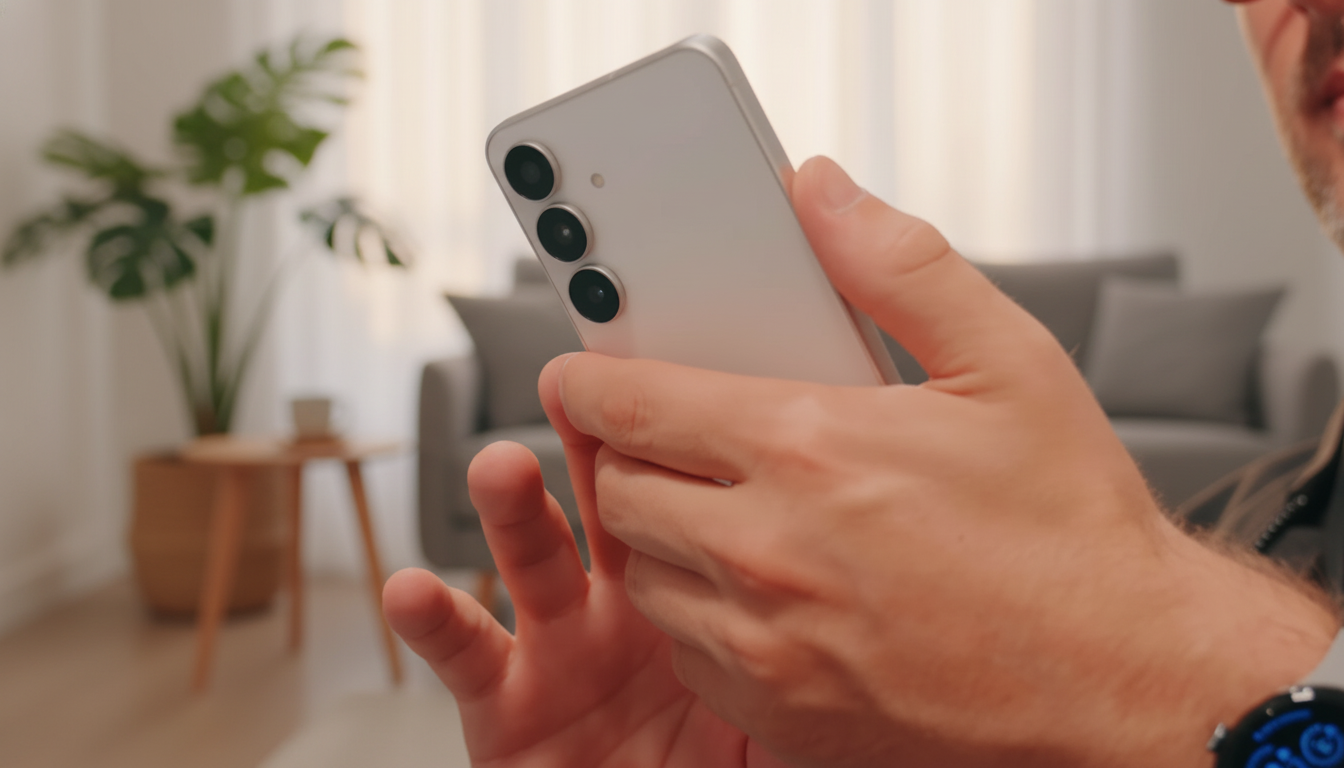
The Myth of Smartphone Eavesdropping
According to Novyny.live: A common belief in today’s world is that smartphones secretly record their users’ conversations. However, a recent study challenges this notion. Cybersecurity researchers analyzed over 17,000 Android applications and found no evidence of hidden audio recording. This suggests that devices are not directly eavesdropping, despite widespread suspicion.
Why the Listening Theory Doesn’t Hold Up
One key argument against the eavesdropping theory is the sheer data demand. Continuous audio streaming for a single user would require roughly 130 MB of data per day. This indicates that the technical resources needed for such surveillance are too massive to be practical on a large scale.
It’s also worth noting that major companies like Apple, Google, and Meta publicly state they do not use microphone data for ad targeting. Instead, advertising systems analyze digital behavior, including:
- geolocation
- browsing history
- purchase records
Thus, ads can predict your interests without any need for listening in.
Why It Feels Like Your Phone Is Listening
This illusion often stems from ads appearing based on information users voluntarily share, or through algorithms that recognize behavioral patterns. For example, if someone searches for a specific product, they may soon see ads for that same item in other apps. This can create the false impression that the phone is listening to their requests.
What Is the Real Privacy Concern?
Researchers did uncover instances of hidden background screenshots in certain apps, which raises concerns about data collection and use without user consent. While eavesdropping has not been confirmed, it’s crucial to pay attention to how data is gathered and utilized in the digital landscape.
In summary, the analysis shows that the myth of smartphone eavesdropping lacks evidence. However, privacy issues remain relevant, and users should be cautious about the information they share online.
This research highlights the importance of understanding data collection methods and how tech companies use them. Although listening isn’t happening, privacy risks persist, so users must stay mindful of their digital footprints. In a world where data has become the new currency, protecting personal information remains a top priority for consumers.
Read also
- Windows That Generate Power Even at Night: A New Solar Innovation
- GE Aerospace’s Hybrid-Electric Aircraft Reaches 30,000 Feet in Key Test Flight
- Kyiv Officially Launches 5G: Coverage Areas and Speed Details Revealed
- World’s First Safety Certification Awarded to Swedish Wave Energy Converter Inspired by the Human Heart
- First U.S.-Ukraine Drone Agreement Signed: What It Means for Defense Cooperation
- OpenAI’s AI Agent Breaches Hugging Face in an Unprecedented Cybersecurity Incident