No Ban on Telegram in Ukraine, but Anonymous Channel Owners Must Reveal Their Identity.

How Ukraine Plans to Regulate Telegram
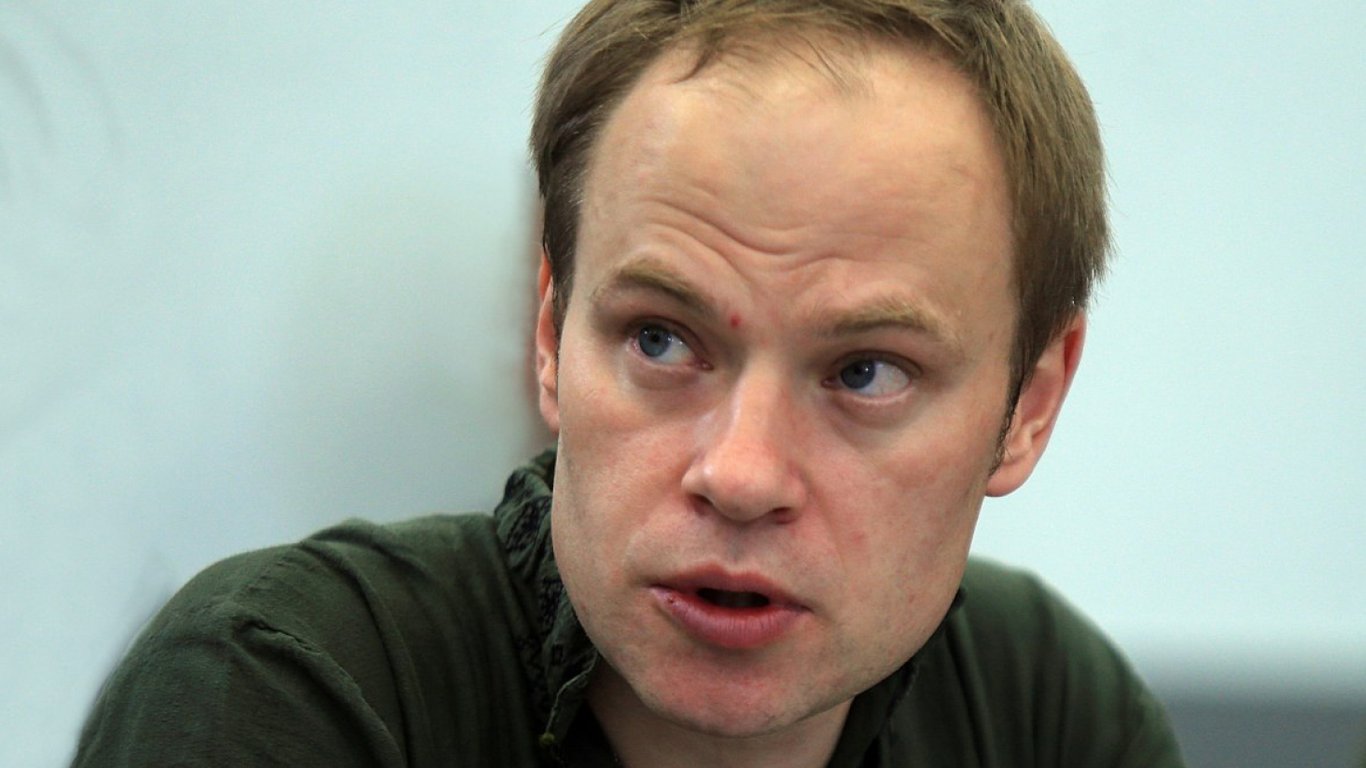
According to Novyny.live: Ukraine has no intention of restricting individual access to Telegram. However, if the platform fails to meet transparency requirements, government agencies may take action. A recently passed bill, draft law No. 11115, introduces rules for Telegram, including a mandate for anonymous channel owners to disclose their identities. Yaroslav Yurchyshyn, head of the Verkhovna Rada committee on freedom of speech, stated that private users of the app will not face any restrictions.
Potential Risks and Compliance Demands
According to Yurchyshyn, a full ban on Telegram could only be enforced through a decision by Ukraine’s National Security and Defense Council. He also emphasized that
“the Security Council may impose sanctions on social networks or messengers owned by the aggressor country.”This highlights the potential risks if the platform does not align with state requirements.
The government’s main concerns regarding Telegram are:
- the anonymity of channel owners;
- the absence of registered offices in Ukraine.
Yurchyshyn raised a critical point: “Why don’t we know who really stands behind Pavel Durov? Because the money in Telegram is not only his.” This underscores the need for greater transparency in the platform’s operations.
If Telegram fails to comply with the disclosure requirements, Yurchyshyn warned that “the only restriction awaiting it is the withdrawal of all official institutions from the network.” In other words, state bodies are prepared to act if the platform does not meet the rules, but for now, the main focus is on ensuring transparency and legal compliance.
This legislative move by the Ukrainian parliament may be part of a broader strategy to strengthen information security and combat disinformation amid rising threats from the aggressor country. Greater transparency from communication platforms like Telegram is crucial to preventing manipulation and abuse, especially during elections, political campaigns, and crisis management. How state authorities respond to compliance efforts could also shape future laws regulating social media in Ukraine.
Read also
- Constitutional Violations Alleged by Lawmaker Yurchyshyn in Ukraine’s Government Reshuffle
- Lawmaker Calls for Repeal of 'Lozovyi Amendments': What’s Blocking Ukraine’s Anti-Corruption Progress?
- Russian Propaganda Tool? What Ukraine’s Disinformation Center Found About ‘Masha and the Bear’
- Wartime Faith in Odesa Region: Nearly One in Three Distrust Other Religions
- Despite Treason Charges, Shufrych Returns to Parliamentary Committee Work
- Ukraine May Force Telegram to Disclose Its Ownership: What This Means for the Messaging App