Trump's Team Weighs Russia Options: From Diplomacy to Hardline Measures.

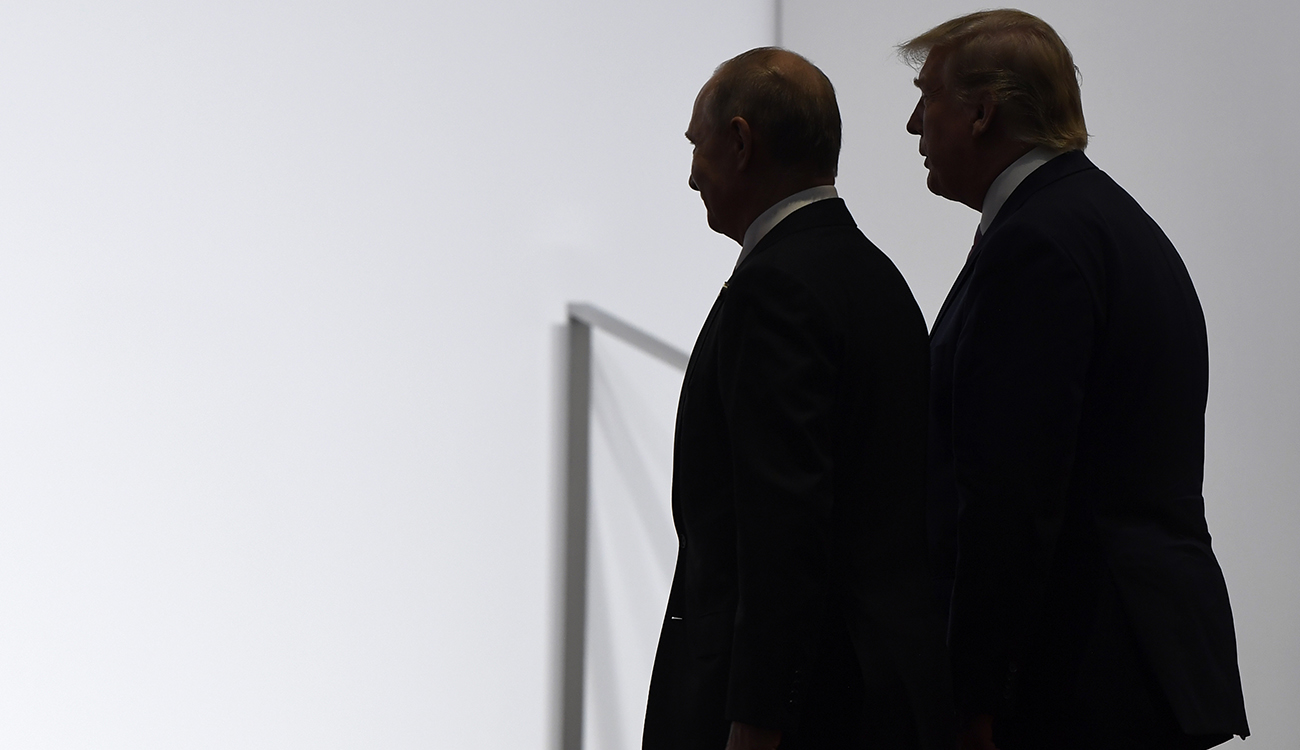
Trump's Advisors Draft Russia Policy Scenarios
According to UATV: Advisors to U.S. President Donald Trump are evaluating a spectrum of potential approaches toward Russia, ranging from diplomatic engagement to more aggressive actions. This planning reflects the complex nature of U.S. foreign policy, where multiple strategies can be considered simultaneously. According to Yaroslav Bozhko, head of the 'Doctrine' Center for Political Research, Trump's logic does not draw a firm line between peace and confrontation.
Various influential factions within the Republican camp are likely to shape Trump's ultimate Russia strategy. Key figures in this debate include:
- Marco Rubio, representing the party's traditional wing;
- Tulsi Gabbard;
- Tucker Carlson;
- Whitkoff;
- Kushner.
Bozhko emphasizes that Americans do not see these approaches as mutually exclusive; they are parallel processes requiring flexible responses to international challenges. The ongoing U.S. presidential election cycle ensures that foreign policy, particularly regarding major powers like Russia, remains a central and contentious topic.
Navigating Geopolitical Challenges
Bozhko further notes that Trump is not a geopolitical strategist by nature. He illustrates the complexity by stating that if Moscow had the chance to simultaneously occupy both the Chinese and American seats of power, it would have done so long ago. This highlights the intricate game involving the U.S. and Russia, underscoring the need for the American administration to adapt its strategies to shifting international dynamics.
The overall situation regarding U.S. policy toward Russia remains tense and complicated, demanding constant monitoring of the global landscape. The diversity of views within Republican circles points to internal debates and efforts to find an optimal course of action in relations with Moscow. This underscores the critical importance of strategic flexibility in foreign policy, which can significantly influence broader geopolitical outcomes.
Read also
- Zelensky and Top Military Command Outline Response Plan to Russian Strikes
- EU's New Sanctions Package Targets Crypto Platforms Used to Bypass Restrictions
- New directives for Ukraine's National Security and Defense Council: Zelenskyy assigns tasks to Umerov and Klymenko
- Ukraine Extradites Former Lawmaker Demchak in Major Push to Bring Back Suspects
- EU Adopts 21st Sanctions Package Against Russia: What the New Restrictions Target
- Lithuania Accuses EU Nations of Undermining Sanctions for Their Own Economic Gain