Energy Prices Spike After Trump Comments on Israeli Strike Against Iran's Gas Field.

Iran–Qatar Conflict Under Scrutiny
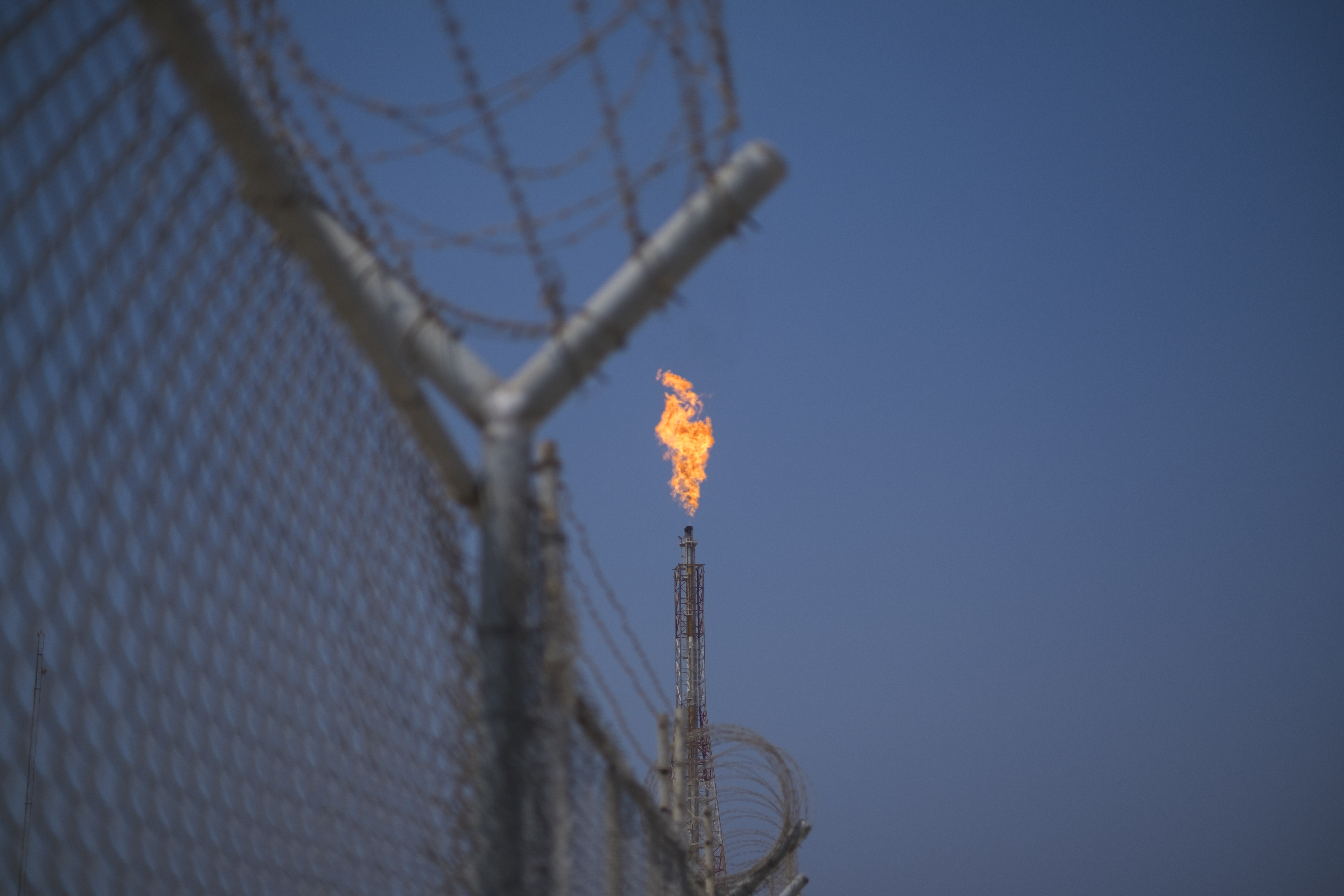
According to Vox - Загальний: Global energy markets saw a sharp rise in prices following remarks by U.S. President Donald Trump regarding an Israeli attack on Iran’s South Pars gas field. Trump stated that the United States had no advance knowledge of the strike and emphasized that Qatar was not involved in the hostilities. The Israeli operation prompted a retaliatory move from Tehran, which targeted natural gas infrastructure located in Qatar.
The Iranian assault inflicted severe damage on Qatar, with estimated losses reaching $20 billion. As a result, approximately 17% of Qatar’s natural gas reserves were destroyed, significantly disrupting the region’s energy balance.
Commenting on the situation, Trump declared that 'NO FURTHER ATTACKS WILL BE CARRIED OUT BY ISRAEL' in response to Iranian strikes.
A previously existing energy ceasefire has collapsed, heightening tensions across the region. Scott Bessent, discussing potential countermeasures, stated: 'We will use Iranian barrels against the Iranians to keep the price down.'
These developments are raising alarm not only locally but also on global energy markets, as rising oil and gas prices could have far-reaching effects on the world economy. The situation draws parallels to the precedent set in Ukraine, where conflict similarly led to severe repercussions in the energy sector.
- The destruction or seizure of Iranian oil may represent the next phase in the conflict’s escalation.
- Such actions could further destabilize the region’s security landscape.
In light of recent events, the situation in Iran and Qatar continues to attract international attention. This escalation—triggered by the Israeli strike and the subsequent Iran–Qatar confrontation—underscores the intricate geopolitical dynamics at play in the Middle East.
The resulting energy price surge could have serious consequences for the global economy, particularly for oil- and gas-importing nations facing financial strain. Moreover, heightened regional tensions may spark new military confrontations, further complicating the outlook for worldwide energy markets.
Read also
- New US Strikes on Iran Raise Questions: Has a Tanker Attack Broken the Ceasefire?
- Trump Accuses Tehran of Ceasefire Violation as U.S. Launches Strikes on Iran
- Iran Hit by US Retaliatory Strikes Following Tanker Attack
- Moscow Seeks Return to Istanbul Talks: What’s Known About the Latest Peace Proposal
- Strikes on Refineries and New Sanctions: Tsakhkna Identifies Russia’s Critical Breaking Point
- NATO to Announce €70 Billion Aid Package for Ukraine: Ankara Summit Details