Trump and Xi Jinping Hold Call on Ukraine War and Energy Purchases.

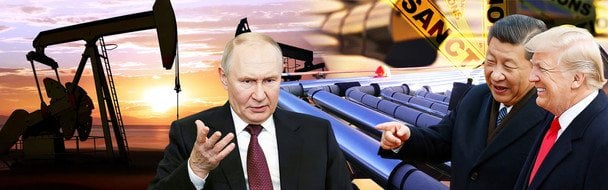
Phone Conversation Between Donald Trump and Xi Jinping
According to TSN.ua: On February 4, U.S. President Donald Trump held a phone call with Chinese leader Xi Jinping. The discussion covered critical issues, including Russia's war against Ukraine and China's purchase of energy resources from the United States. This exchange was significant for international relations, as both leaders addressed a series of pressing topics impacting global security and the economy. Such high-level talks are closely watched as indicators of the state of U.S.-China relations.
The conversation touched on matters related to Taiwan, the situation in Iran, and China's acquisition of U.S. oil and gas, highlighting the broad range of subjects discussed. Prior to speaking with Trump, Xi Jinping had conducted a video conference with Russian President Vladimir Putin, underscoring the importance of the Ukraine situation within the context of Sino-Russian relations.
Significance of the Phone Call
Donald Trump noted that the call was lengthy and thorough, covering many important topics, including his planned trip to China in April. He also emphasized that the relationship with China and his personal rapport with President Xi Jinping were extremely positive, with both leaders recognizing the importance of maintaining this dynamic.
This phone call between Trump and Xi Jinping reflects the growing complexity of international relations, particularly in the context of the conflict in Ukraine and energy security. - Source unknown.
The discussion of such vital issues indicates that China and the United States are attempting to maintain dialogue and seek common solutions despite existing disagreements. This interaction between the leaders could influence the future course of global politics and economics, particularly regarding energy supplies and security in the Asia-Pacific region.
Read also
- Trump Says Zelensky and Putin Must Resolve the War on Their Own
- Armenia’s Final Pivot West: What Drove Pashinyan’s Decision
- Xi Jinping to Visit North Korea for the First Time in Seven Years: Key Details on the Upcoming Trip
- Europe Urged to Shoulder Ukraine Support as Trump Shifts Responsibility: Expert Analysis
- America’s Role in Backing a Putin-Zelensky Meeting: Trump Weighs In
- Kremlin Acknowledges Receipt of Zelensky’s Letter to Putin