EU Foreign Ministers in Limassol Debate Role in Talks with Russia: Key Takeaways.

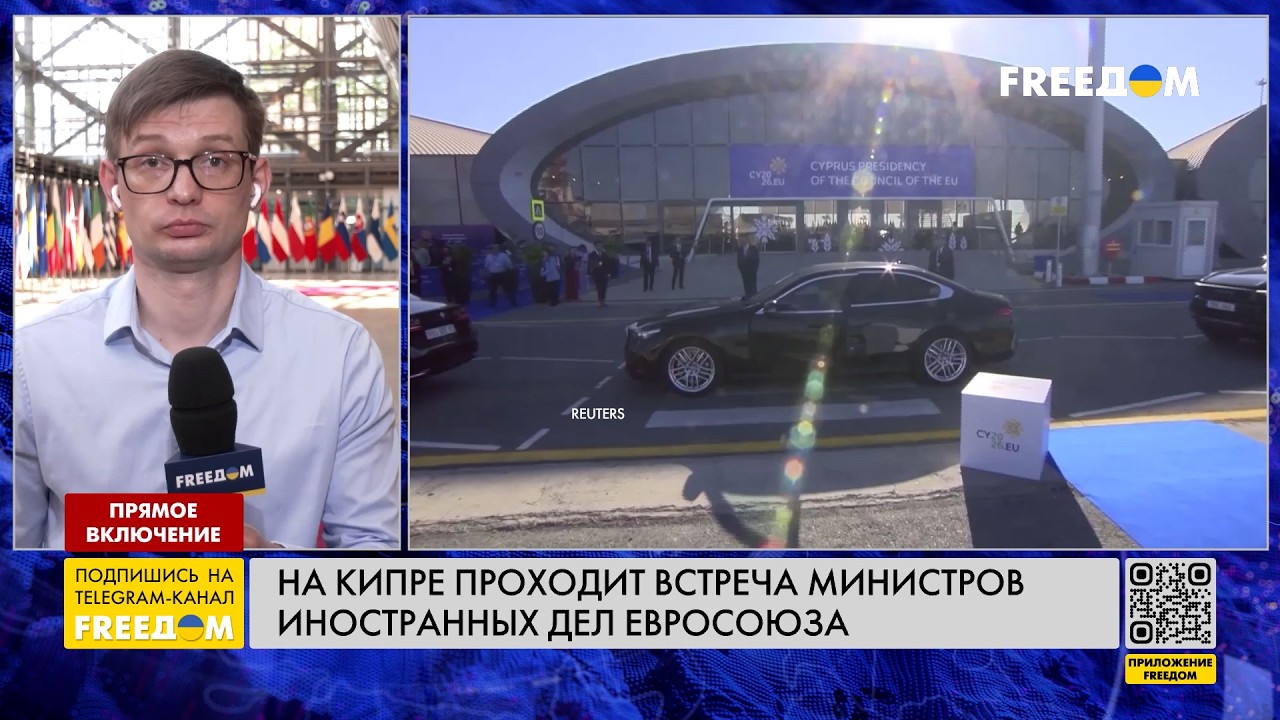
Informal EU Foreign Ministers’ Meeting in Limassol
According to UATV: On May 28, an informal gathering of European Union foreign ministers took place in Limassol, Cyprus. The discussions centered on security concerns and whether the EU should take part in negotiations with Russia. This meeting marked a critical step in shaping a unified European foreign policy amid current global challenges.
Diverse perspectives emerged on how to approach the negotiations. Latvian Foreign Minister Andrijs Sibiga stated:
“We should not start by naming a person or group to lead these efforts. The mandate must be clearly defined, and it should represent a single European voice.” - Andrijs Sibiga
This highlights the need for cohesion among EU member states on foreign policy matters.
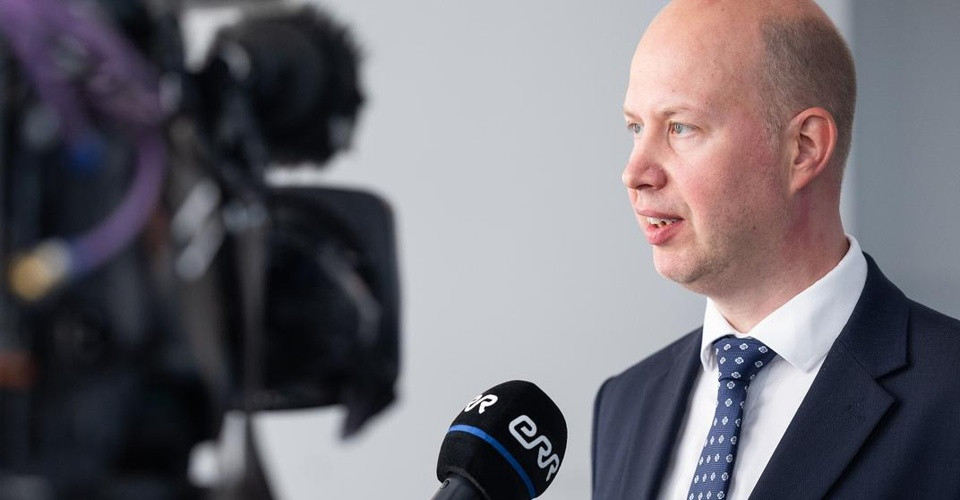
Estonian Prime Minister Kaja Kallas voiced concerns about Russia’s intentions, noting:
“I believe Russia wants to lure us into a trap. ... Negotiations are always a team effort. There are good cops and bad cops.” - Kaja Kallas
Her remarks underscore the importance of a cautious approach to diplomatic initiatives involving Moscow.
The necessity of collective decision-making was also emphasized. French Foreign Minister Maxime Prévot commented: “We need to reach a common decision. ... Many recall the Minsk agreements, which ultimately yielded no tangible results.” This reflects a wariness of repeating past mistakes.
In closing, Maria Malmer Stenergard stressed the importance of financial support, stating: “We need to increase bilateral assistance and add a 90 billion euro loan to it, ...” This could become a key element of the EU’s strategy to maintain regional stability.
Pursuit of Collective Security
The EU foreign ministers’ meeting in Limassol reflects European nations’ drive for collective security and effective foreign policy in a complex international landscape.
This gathering underscores the importance of consolidating efforts among EU member states in response to challenges posed by Russia. European countries aim to develop a unified strategy that not only protects their interests but also fosters regional stability. Discussions on financial support also indicate the EU’s readiness to invest in security and development, which could serve as a foundation for effectively countering external threats.
Read also
- Sergey Fedorenko Appointed Interim Head of Naftogaz: What You Need to Know
- Leadership Roles in Ukraine’s Defense and Security Agencies: Which Positions Exist and Which Do Not
- Winter Preparations and Immediate Government Steps Discussed by Zelenskyy with Cabinet
- Zelenskyy Picks Ihor Klymenko for NSDC Secretary Role: Decree in the Works
- Four EU nations back Estonia's push to restrict visas for Russian citizens
- EU Sanctions Target Individuals and Firms Over Strikes on Kyiv: Here’s Who Is Being Penalized and Why