Protests Erupt in Germany Against Far-Right AfD Ahead of Elections.

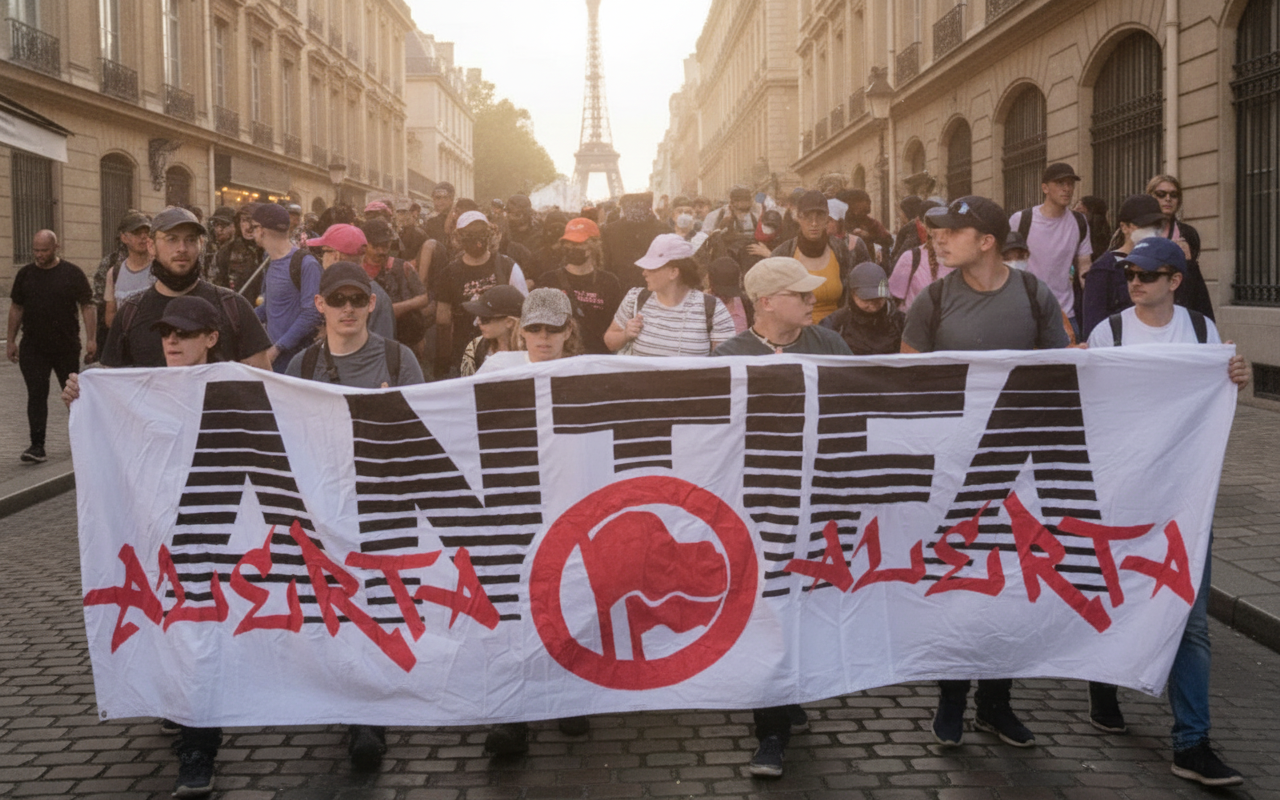
Political Tensions Rise as Germany Heads to the Polls
According to Espreso.tv: With elections scheduled for September in eastern German states, demonstrators have taken to the streets to voice opposition to the far-right 'Alternative for Germany' (AfD) party. Founded over a decade ago, the AfD currently enjoys around 29% support in opinion polls. Its leadership includes Alice Weidel and Tino Chrupalla. Germany's domestic intelligence service has classified the AfD as an extremist organization, a designation supported by a 1,100-page report.
Election Dynamics and Party Support
The upcoming elections will take place in two federal states: Saxony-Anhalt and Mecklenburg-Western Pomerania. In contrast to the AfD, the conservative CDU/CSU alliance, led by Friedrich Merz, holds approximately 22% of voter support. These figures highlight a highly competitive political environment where the AfD continues to attract backing despite its extremist classification.
'The fact that you dare to laugh here speaks volumes. You mock the fate of millions in this country, then fly off to champagne receptions in Moscow. Have a pleasant journey there.' Friedrich Merz
As election day approaches, Germany's political landscape remains fraught with tension, with protesters continuing to challenge AfD policies. This unrest reflects growing public engagement in political processes and underscores deep societal divisions. The AfD's persistent popularity, even amid its extremist label, points to significant social fractures and the challenges confronting German politics today.
Read also
- Zelensky and Top Military Command Outline Response Plan to Russian Strikes
- EU's New Sanctions Package Targets Crypto Platforms Used to Bypass Restrictions
- New directives for Ukraine's National Security and Defense Council: Zelenskyy assigns tasks to Umerov and Klymenko
- Ukraine Extradites Former Lawmaker Demchak in Major Push to Bring Back Suspects
- EU Adopts 21st Sanctions Package Against Russia: What the New Restrictions Target
- Lithuania Accuses EU Nations of Undermining Sanctions for Their Own Economic Gain