Rare European Mink Tracks Found in Lower Dniester National Park.

Evidence of Elusive Predator Uncovered
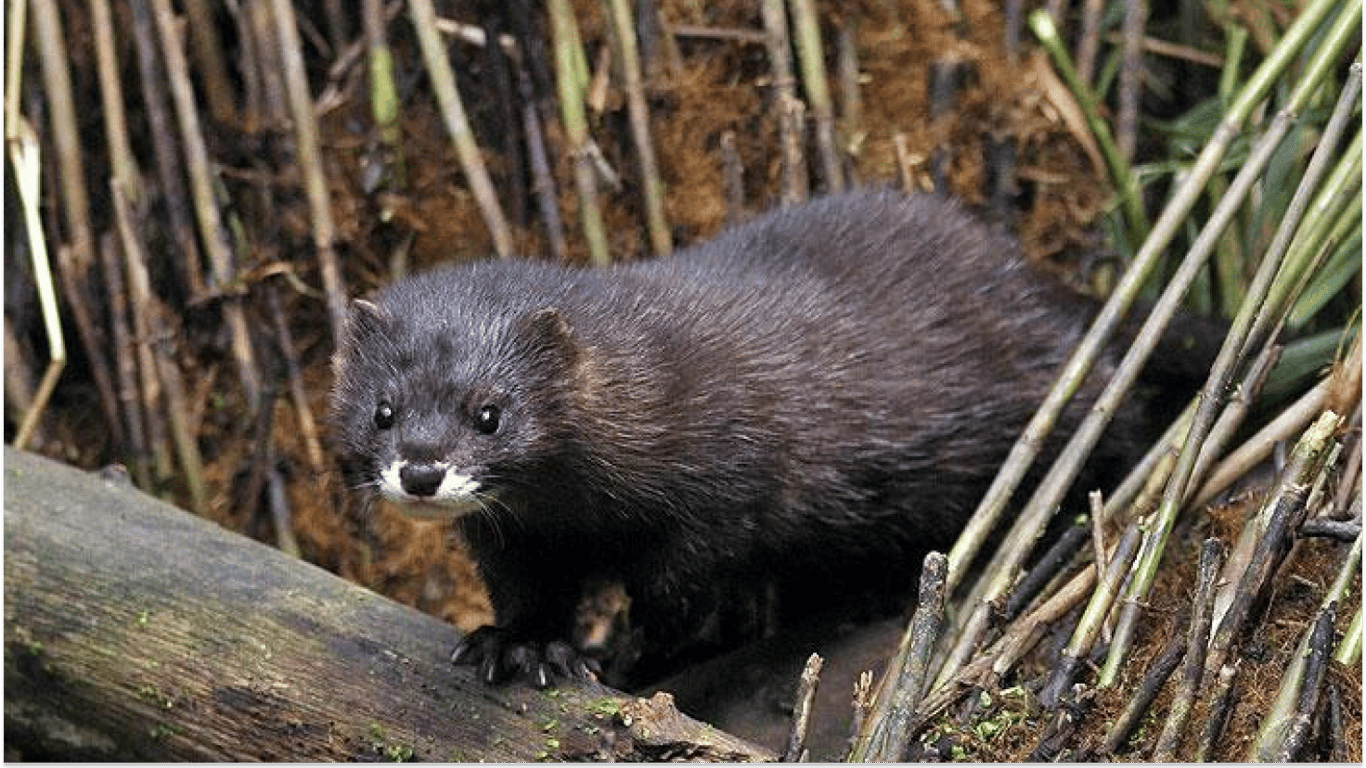
According to Novyny.live: Conservationists have made a significant discovery in the Lower Dniester National Nature Park, located in Ukraine's Odesa region. Tracks belonging to the rare European mink, a species listed in Ukraine's Red Book of endangered animals, have been identified, providing crucial confirmation of its continued survival in the wild. This find is of major interest to scientists and environmentalists working in the area.
The tracks were recorded in the park's Biliaivka sector. The European mink is notoriously difficult to spot due to its secretive nature. As expert Mykola Rozhenko explains,
"Because of the elusive habits of wild animals, their presence in nature is most often determined by tracks left in snow or soil."
Ecological Importance of the Find
The European mink is a carnivorous predator whose diet consists of:
- frogs;
- small rodents;
- fish;
- lizards.
Its presence within the Lower Dniester park indicates the preservation of natural ecosystems and regional biodiversity. This discovery underscores the critical need to protect such rare species, whose populations require active conservation efforts. The European mink is a key indicator species, meaning its health reflects the overall condition of the wetland habitats it inhabits.
In a separate but related ecological note from the Odesa region, the first flocks of pink flamingos were observed in late February of this year, signaling other shifts in local ecosystems. However, these positive signs are tempered by ongoing concern, as the population of dolphins in the Black Sea continues to decline rapidly.
The detection of the European mink's tracks represents a vital step in studying and safeguarding rare fauna native to Ukraine. It highlights the necessity of preserving natural habitats and maintaining ecological balance. Protecting biodiversity is essential for sustaining the ecosystem services that support human life. Continued monitoring of other vulnerable species, like dolphins, is also imperative to inform effective conservation actions. This discovery could galvanize further initiatives aimed at improving the region's overall environmental health.
Read also
- Why Displaced Residents of Mariupol Face Barriers to Housing Compensation
- Kyiv Electric Train Prices Increase from July 22: Fare Will Rise to 37 Hryvnias
- Russia Fines Residents for Storing Gasoline in Garages Amid Fuel Shortages
- Why Internally Displaced People in Ukraine Can't Get Mortgages: A Key Obstacle Identified
- Attacks on Ukrainians Surge in Poland: Hate Crime Numbers Jump 30%
- Civilian Casualties in Ukraine Hit Record Highs, UN Reports: A Closer Look at the Shift