Rocket strike on Lviv 'Oreshnik': what Russia really informs the West.

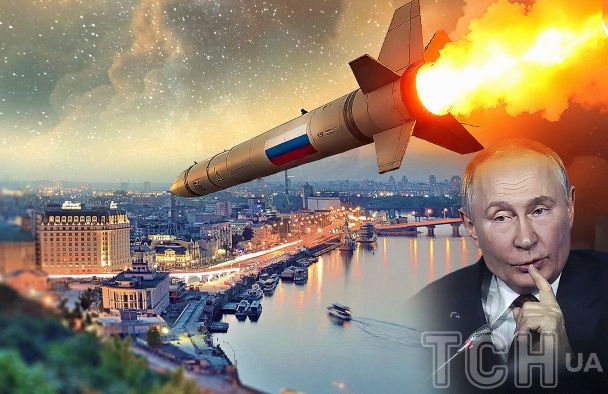
According to ТСН: Strikes on Lviv using the 'Oreshnik' rocket indicate that Russia ignores the prospect of negotiations. This was stated by the head of the Public League 'Ukraine-NATO' Serhiy Dzherdzh in the live program Morning.LIVE.
The expert believes that such actions demonstrate a real lack of intention from the Kremlin to engage in dialogue. He emphasized that while negotiations cannot be completely dismissed, they should be postponed to focus on more active measures.
‘The message from the Russian Federation to Europe and the United States is clear: “You are foolish, we laugh at you, we do whatever we want, while you play with negotiations and make promises and pressure Ukraine more,”’ explained the expert.
By the way, on January 8, the Russian army launched a strike on Lviv with a medium-range ballistic missile 'Oreshnik' for the first time since the war began. This city is located less than 70 km from the border with the European Union.
According to military data, the 'Oreshnik' missile traveled on a ballistic trajectory at a speed of about 13,000 km/h, which is considered 'hypersonic speed'.
Such strikes, like the one in Lviv, highlight the threat that Russia continues to pose to Ukraine, and freely demonstrate the unwillingness to conduct diplomatic negotiations. Given the immense pressure on the international community, it is crucial for allied countries to pay attention to the actions of the Kremlin and respond accordingly, as the situation demands immediate action.
Read also
- Ukraine Launches Its First EU Accession Negotiation Cluster: What It Means for Citizens
- Polish Lawmaker Sparks Outrage by Calling for Normalized Ties with Russia
- Kyiv Lawmaker Slams Metro Fare Hike: Annual Costs Could Reach 46,000 Hryvnias for Residents
- New EU Accession Talks with Ukraine Set for Summer, von der Leyen Announces
- Russia's Offensive in Donetsk Loses Momentum: Expert Points to a Turning Point
- Trump Signs Landmark Deal with Iran: Ceasefire, Sanctions Relief, and Nuclear Terms Take Center Stage