Russia's Attack on 'Druzhba' Exposes the Failure of Orban and Fico's Pro-Kremlin Policy.

Hungarian and Slovak Policy in the Wake of a Russian Strike
According to UATV: The pro-Russian policies of Hungarian Prime Minister Viktor Orban and his Slovak counterpart, Robert Fico, have been exposed as a failure following a recent Russian drone strike on the 'Druzhba' oil pipeline. The attack, which occurred on January 27, 2026, targeted the 'Brody' pumping station in Ukraine's Lviv region. The resulting fire took ten days to extinguish, severely disrupting oil transit. In response, Hungary and Slovakia have attempted to pressure Ukraine, blaming it for the resulting supply issues, rather than holding Russia accountable for the physical attack on critical infrastructure.
Since the autumn of 2025, the Hungarian company MOL had been purchasing Ukrainian oil via the 'Druzhba' pipeline. However, the reaction from Budapest and Bratislava to the supply disruption has been notably aggressive. Both Fico and Orban have resorted to what critics call blackmail, threatening Ukraine over the reduced oil volumes. This stance has drawn sharp criticism from regional observers, who see it as aligning with Moscow's interests.
“Orban’s singular focus on pumping oil through the 'Druzhba' pipeline creates the unmistakable impression that he is motivated solely by a desire to assist and advance the Kremlin’s interests.”
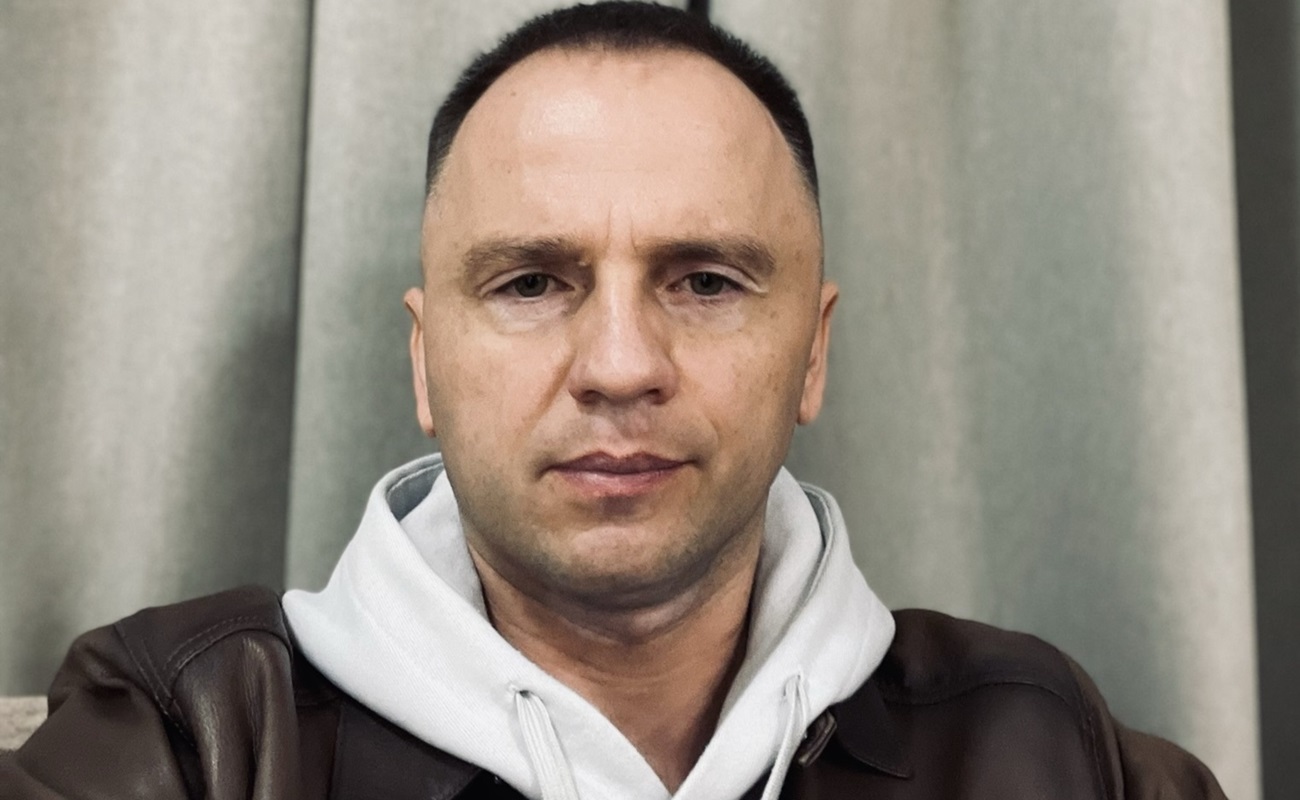
Oleh Pasternak
This comment highlights the perceived political motives behind the Hungarian leader's actions. Pasternak also pointed to alternatives available to MOL, suggesting their options are not limited.
“It is very important to note that MOL, in fact, has many other opportunities to buy oil from sources other than Russia.”
Oleh Pasternak
This indicates the Hungarian energy firm is not solely dependent on Russian supplies and has the potential to diversify its sources. The situation is further complicated because the damaged Brody station is a key control and pumping hub for the Ukrainian section of the 'Druzhba' pipeline, making repairs and resumption of flow critical for the region.
Energy Relations and Political Maneuvering
Amid this crisis, Hungary has blocked a €90 billion EU aid package for Ukraine, further straining relations within the bloc. This move underscores how energy security is deeply intertwined with broader geopolitical tensions in Eastern Europe. The current situation illustrates the complex web of energy dependencies and the political gamesmanship surrounding them in Central Europe.
The episode underscores not just energy disputes but significant political friction between Ukraine and some of its EU neighbors. In the context of an ongoing war and historical reliance on Russian energy, Hungary and Slovakia are prioritizing their perceived short-term interests, a stance that risks escalating regional tensions. Meanwhile, expert analysis, like that from Pasternak, suggests that diversification is a viable path for companies like MOL, which could reshape strategic decisions in the region's energy sector moving forward.
Read also
- Europe and Ukraine Launch Joint Defense Initiatives: Missile Cooperation and Security Guarantees Take Center Stage
- Concrete fortifications and anti-tank ditches: Ukraine reinforces its border with Belarus
- Moldova and Romania Outraged by German Ambassador’s Remarks on Language and Religion
- Protests Erupt as Defense Minister Fedorov Resigns: Military and Public Push Back
- Germany Raises Threat Level to 'High' and Launches Joint Nuclear Drills with France
- Ukraine’s Ombudsman Calls for Mobilization Overhaul, Warns Impunity at Recruitment Centers Is Radically Polarizing Society