More Than 20% of Russia’s Oil Refining Capacity Knocked Out by Strikes, Fuel Crisis Now Spreads Across 53 Regions.

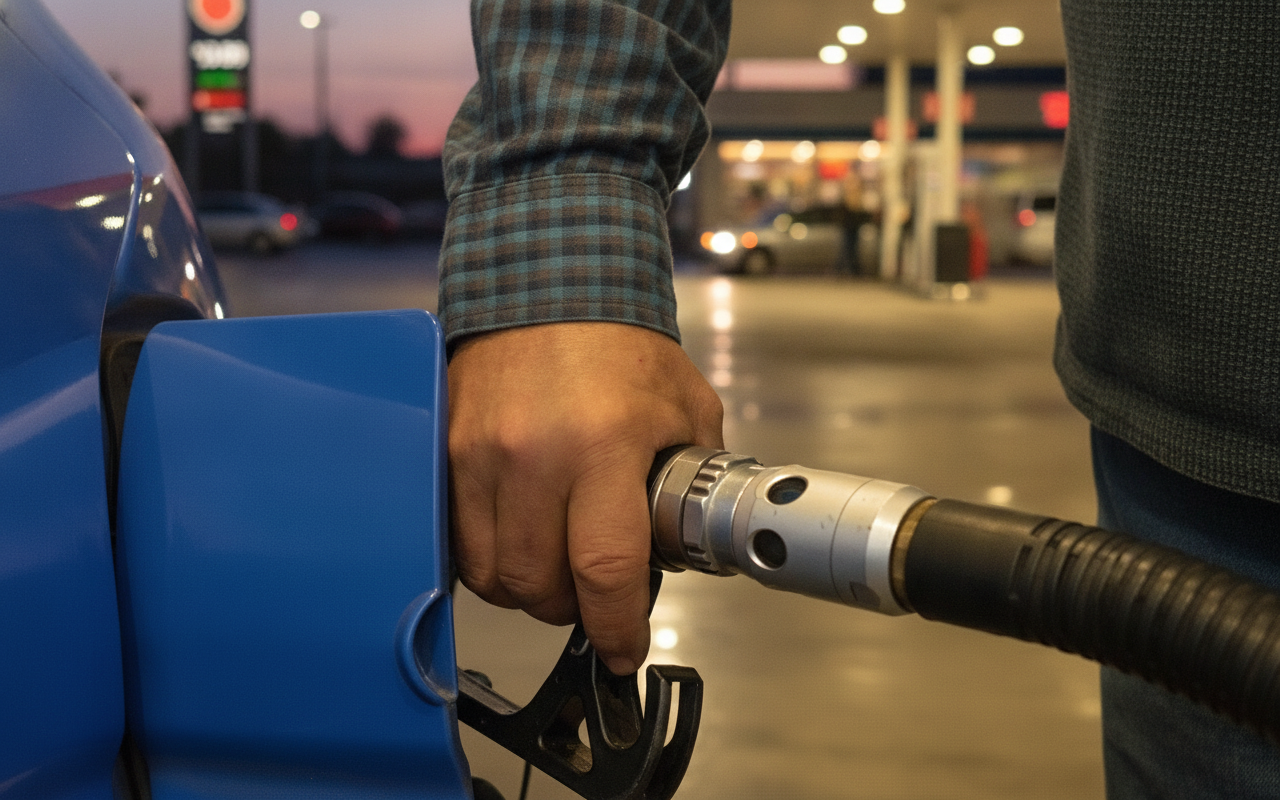
Russia’s Growing Fuel Emergency
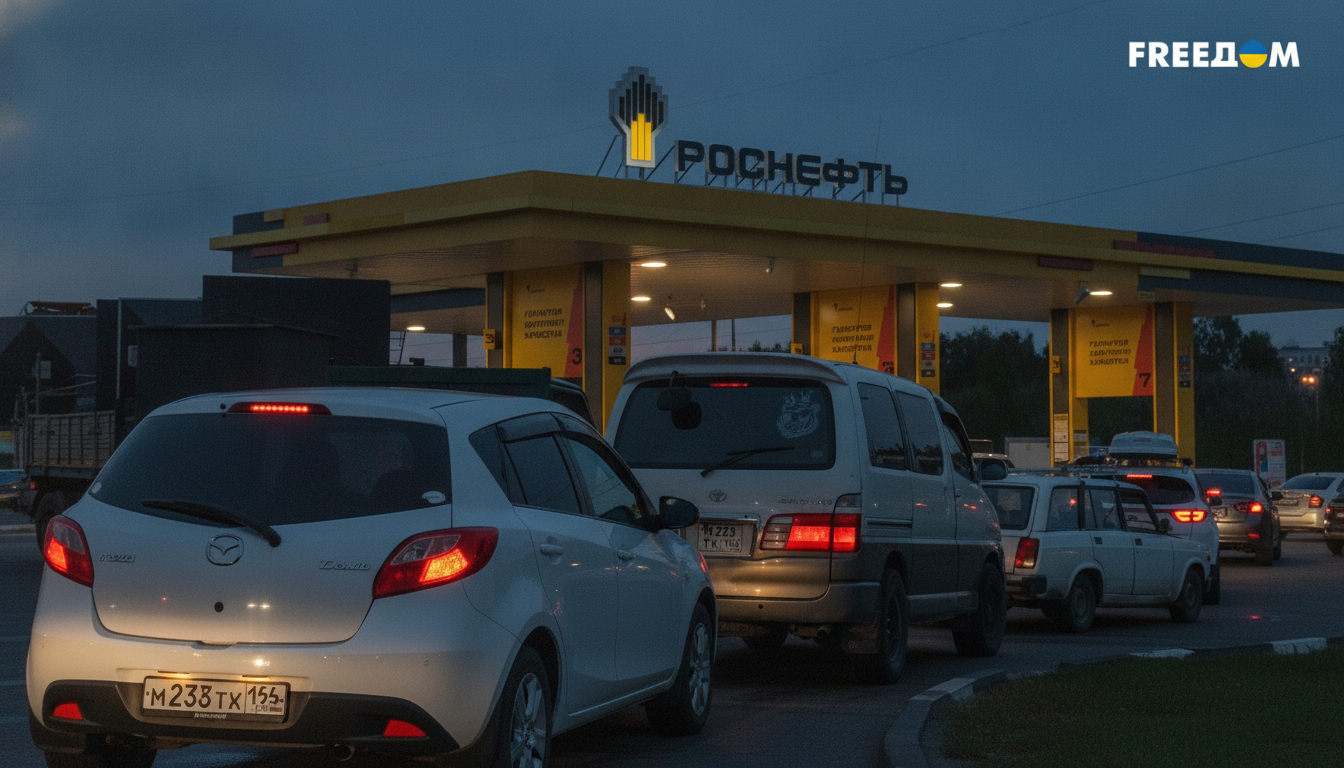
According to UATV: A wave of strikes targeting Russian oil infrastructure has triggered a severe fuel crisis within the country. Preliminary estimates indicate that over one-fifth of Russia’s oil refining capacity has been taken offline—marking the most significant fuel shortage since the start of the full-scale invasion of Ukraine. In numerous regions, motorists now face fuel shortages, purchase restrictions, and long lines at gas stations.
Regional Breakdown
Fuel scarcity has now been reported in 53 Russian regions, including:
- Lipetsk Oblast
- Yaroslavl Oblast
- Stavropol Krai
- Tyumen
- Cheboksary
At many gas stations across Russia, authorities have imposed a cap on fuel sales—limiting purchases to 20 liters per person. This measure is intended to reduce growing queues and ease the difficulties faced by drivers trying to refuel their vehicles.
The Tyumen Oil Refinery, one of the country’s largest, processes around 9 million tons of crude oil annually. However, due to these new disruptions, its operations are at serious risk. In May 2023, Russia’s oil output already dropped to its lowest point of the year, a trend now reflected in the nation’s economic indicators.
Oleg Ustenko: 'Russia will receive less revenue from its oil'
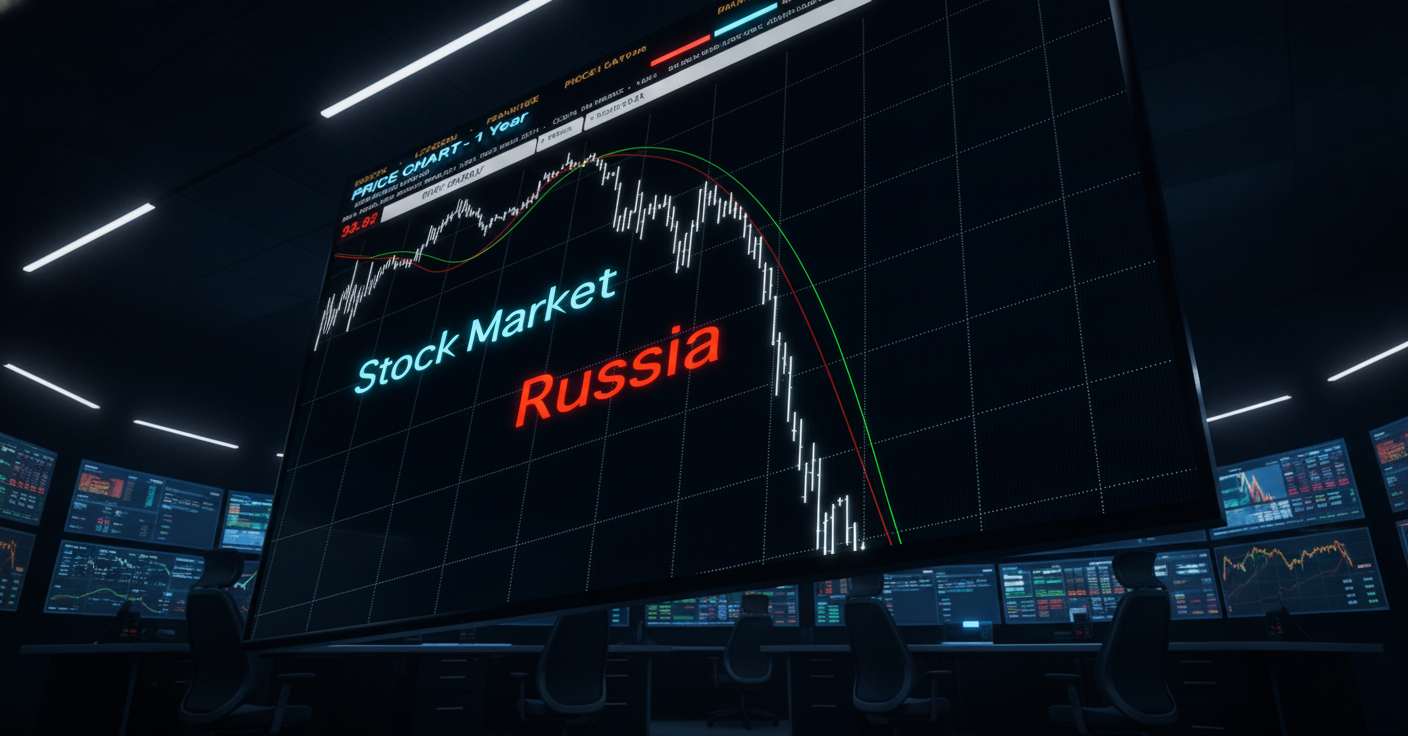
This underscores the mounting damage to the Russian economy. Vladislav Zhukovsky, a representative of the Federal Antimonopoly Service, stated that
“the Federal Antimonopoly Service has already launched proceedings to open cases,”signaling intensified efforts to address the fuel problem. The situation remains tense, and the Kremlin’s next moves could significantly influence the trajectory of the crisis in the energy sector.
The ongoing fuel crisis in Russia poses serious risks not only for its domestic economy but also for global energy markets. The loss of a substantial share of refining capacity could drive up fuel and energy prices worldwide, while also disrupting international oil supplies. As events continue to unfold, close monitoring is essential—further actions by Russian authorities may trigger even deeper economic turbulence.
Read also
- Fuel Shortage Spreads to 78 Russian Regions as Gasoline Prices Jump 7%
- Fuel Shortage in Russia Sparks Alarm in Ukraine Over Potential Crop Losses for Farmers
- Gas Shortages and Mass Bankruptcies Hit Russia: Could Trump Change the Equation?
- Up to 50% of Russian Refineries Halted After Ukrainian Strikes: Economy in Turmoil
- Wheat Prices Surge After Ukrainian Drones Halt Shipping in the Sea of Azov
- Over Half a Million Russians Declared Bankrupt as Economy Cracks Under Pressure