India-EU Free Trade Deal: A Strategic Move That Challenges China and Russia.


The Geopolitical Stakes of the Trade Agreement
According to UATV: The proposed free trade agreement between India and the European Union carries substantial geopolitical weight, particularly for India's relationship with Russia. This pact has the potential to reshape the global trade balance, potentially disrupting India's long-standing commercial ties with Russia. For context, this negotiation is part of a broader Western effort to deepen economic ties with India as a strategic counterweight in Asia.
India remains one of Russia's largest trading partners, notably through major arms purchases. However, analysts suggest the new EU deal could alter this dynamic. Artem Bronzhukov, Deputy Director of the 'Politics' analytical center, observes that:
'This agreement deals a serious blow to China's ambitions in the global marketplace.' Artem Bronzhukov, 'Politics' Analytical Center
China has been aggressively expanding its goods into Europe, Africa, and Asia, and this new trade bloc could introduce significant competition for Chinese products. Bronzhukov further highlights a strong likelihood that New Delhi will begin to supplant Chinese goods on European markets with its own manufacturing output. This shift would benefit both India and the EU, as Brussels seeks to strengthen its position on a fragmented global stage and assert greater strategic autonomy.
Economic Cooperation and Emerging Challenges
Consequently, the India-EU agreement could not only reconfigure trade networks but also significantly impact geopolitical relations across the region.
The deal represents a major step toward enhanced economic cooperation, opening new avenues for industrial growth and reducing dependency on traditional partners like Russia. Simultaneously, this shift in trade dynamics may force strategic recalibrations in other nations, particularly China, which could face new competitive challenges in markets it once dominated.
These developments are poised to establish new economic and political realities, influencing global trade networks and international alliances.
Read also
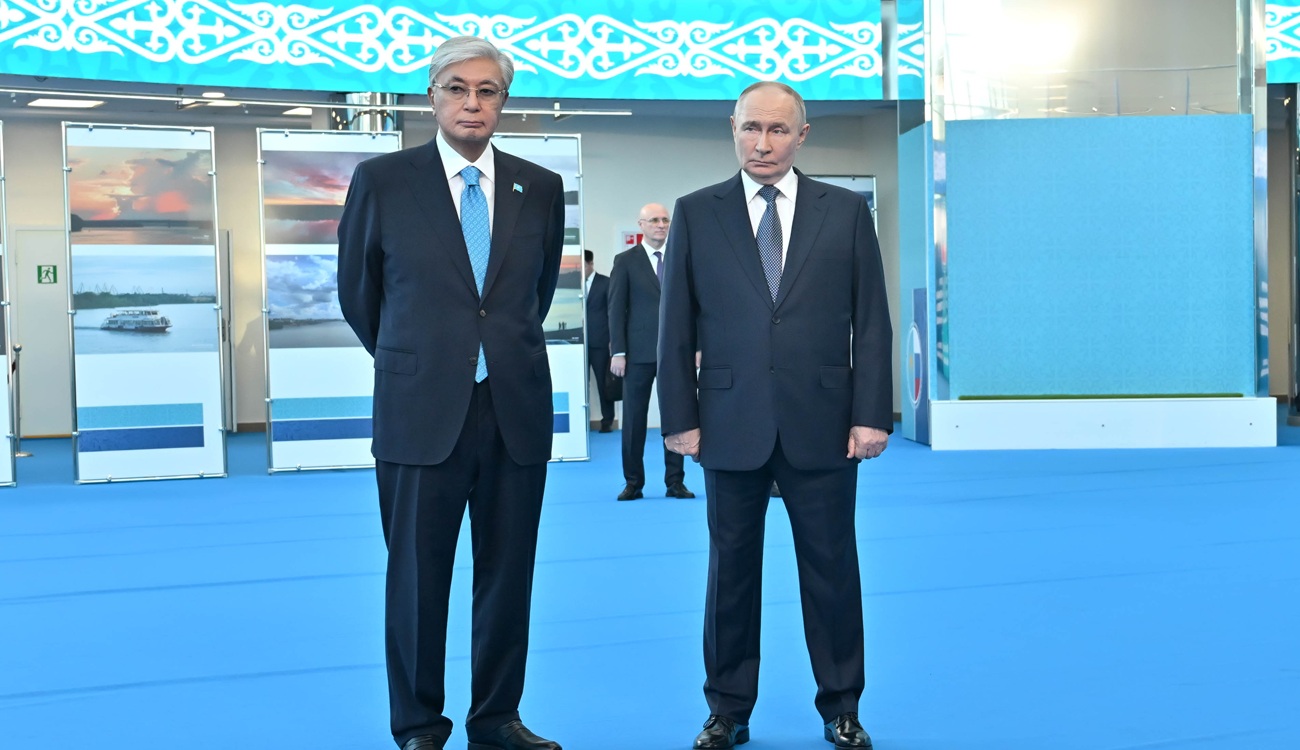
- Peace Appeal From Kazakh Leader During Putin Meeting
- Tokaev told Putin: the reasons for the war in Ukraine are unclear
- Over 1,000 Drone Strikes Carried Out as Zelenskyy Announces Completion of Long-Range Strike Plan
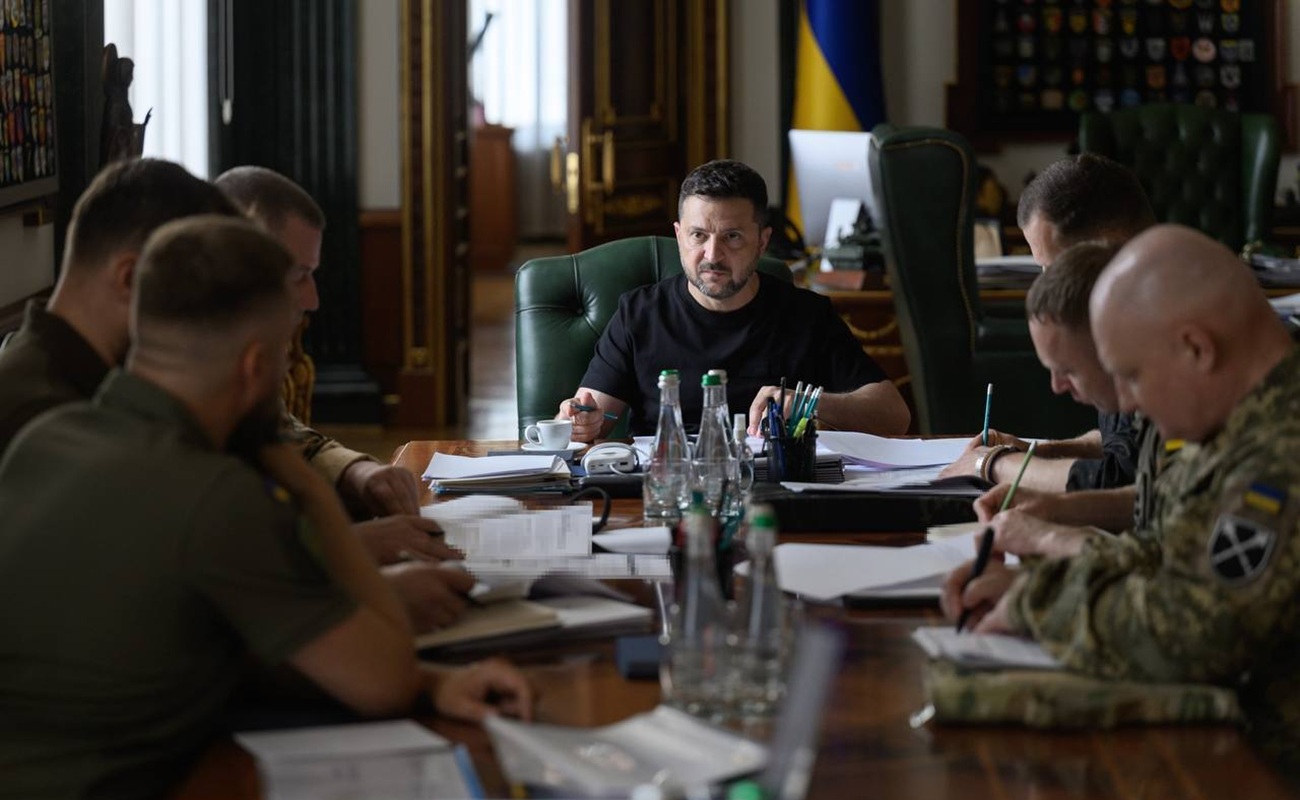
- Zelensky and Top Military Command Outline Response Plan to Russian Strikes
- EU's New Sanctions Package Targets Crypto Platforms Used to Bypass Restrictions
- New directives for Ukraine's National Security and Defense Council: Zelenskyy assigns tasks to Umerov and Klymenko