EU Accession Dispute: Hungary's 100-Year Veto Threat and Ukraine's Sharp Retort.

Diplomatic Tensions Escalate Between Hungary and Ukraine
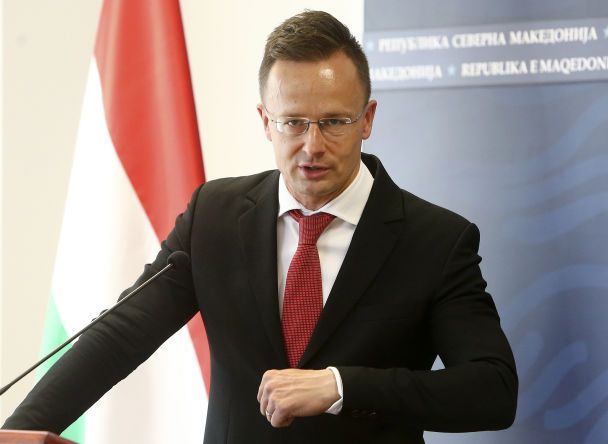
According to TSN.ua: A fresh diplomatic dispute has erupted between Hungary and Ukraine, centering on Kyiv's bid to join the European Union. The foreign ministers of both nations, Andrii Sybiha of Ukraine and Péter Szijjártó of Hungary, held discussions that quickly reignited long-standing friction. Szijjártó accused Ukraine of interfering in Hungary's internal affairs, specifically referencing Hungarian elections, highlighting the deep-seated tensions between the two neighboring states.
Péter Szijjártó also referenced a statement from Hungarian Prime Minister Viktor Orbán, who suggested that no Hungarian parliament for the next century would support Ukraine's EU accession. In a pointed response, Ukrainian Foreign Minister Andrii Sybiha retorted,
“your master in Moscow will not last 100 years,”asserting Ukraine's resilience and long-term prospects for sovereignty. This exchange underscores the bitter personal and political dimensions of the conflict.
Ukrainian President's Remarks and Broader Implications
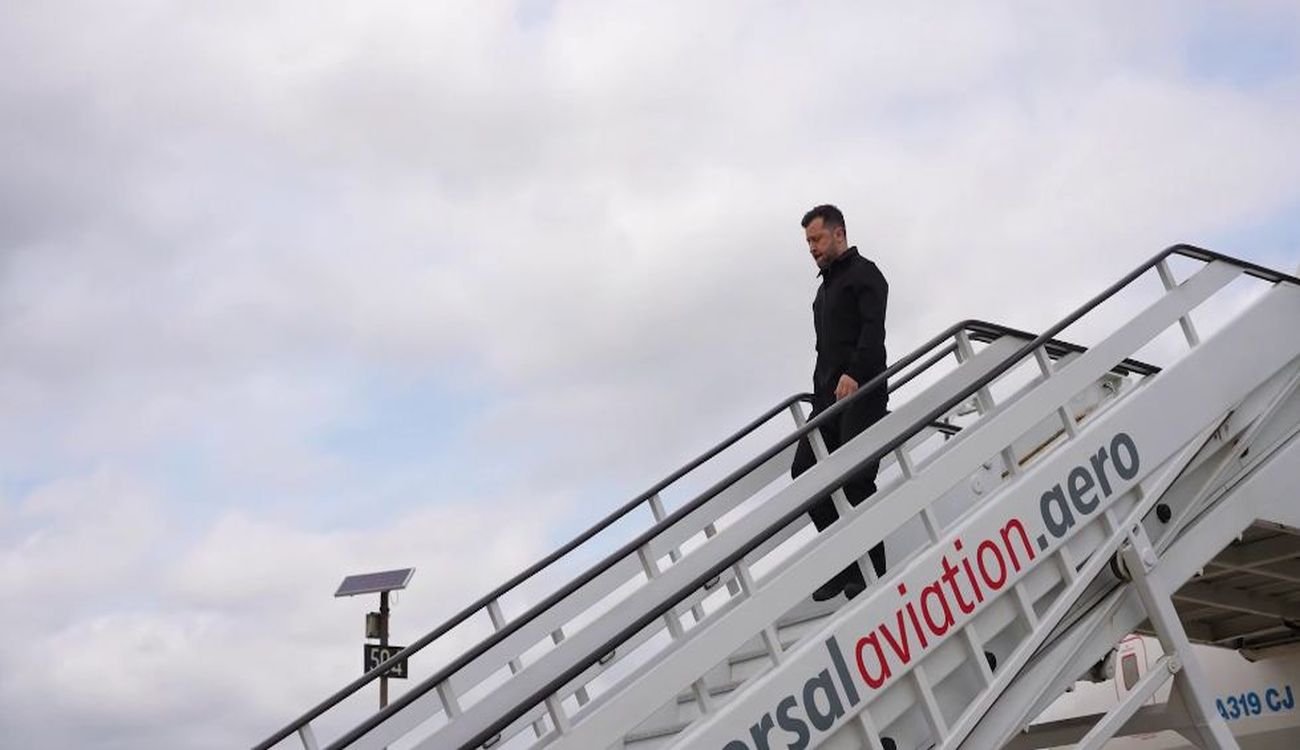
The clash was further intensified ahead of Ukrainian President Volodymyr Zelenskyy's scheduled address at Davos on January 22. Commenting on the situation, Zelenskyy stated,
“any Viktor living off European money while trying to sell out European interests deserves a slap on the wrist,”a clear critique reflecting Kyiv's profound concern over Hungary's stance on European integration. This ongoing tension illustrates the complex challenges within the EU as it navigates enlargement amidst geopolitical pressures.
The current strain highlights the intricate dynamics between neighboring countries within the framework of European integration. For Ukraine, EU membership is a fundamental strategic goal, while Hungary's consistent opposition appears linked to its domestic political agenda and its distinct geopolitical alignment. Observers are closely watching this rift, as its evolution could significantly impact the future relationship between the two nations and shape policy debates within the European Union itself.
Read also
- Hungary Accuses Ukraine of Targeting TurkStream Pipeline: The Threat to Regional Energy Stability
- Sibiha Slams Szijjártó for 'Disgusting' Reporting to the Kremlin from EU Meetings
- Leaked Calls Reveal Hungarian Minister Shared EU Sanctions Data with Russia’s Lavrov
- Hungary Presses EU to Drop Sanctions on Russian Oligarchs as Szijjártó Engages Lavrov
- EU Secrets Leaked to Moscow via Hungary: Budapest’s Actions Could Trigger Voting Reforms
- Brussels Demands Answers After Szijjártó Allegedly Shared EU Closed-Door Talks with Lavrov