Hungary Issues EU Ultimatum Over Druzhba Oil Pipeline: What’s Being Blocked.

Hungary and the Druzhba Oil Pipeline
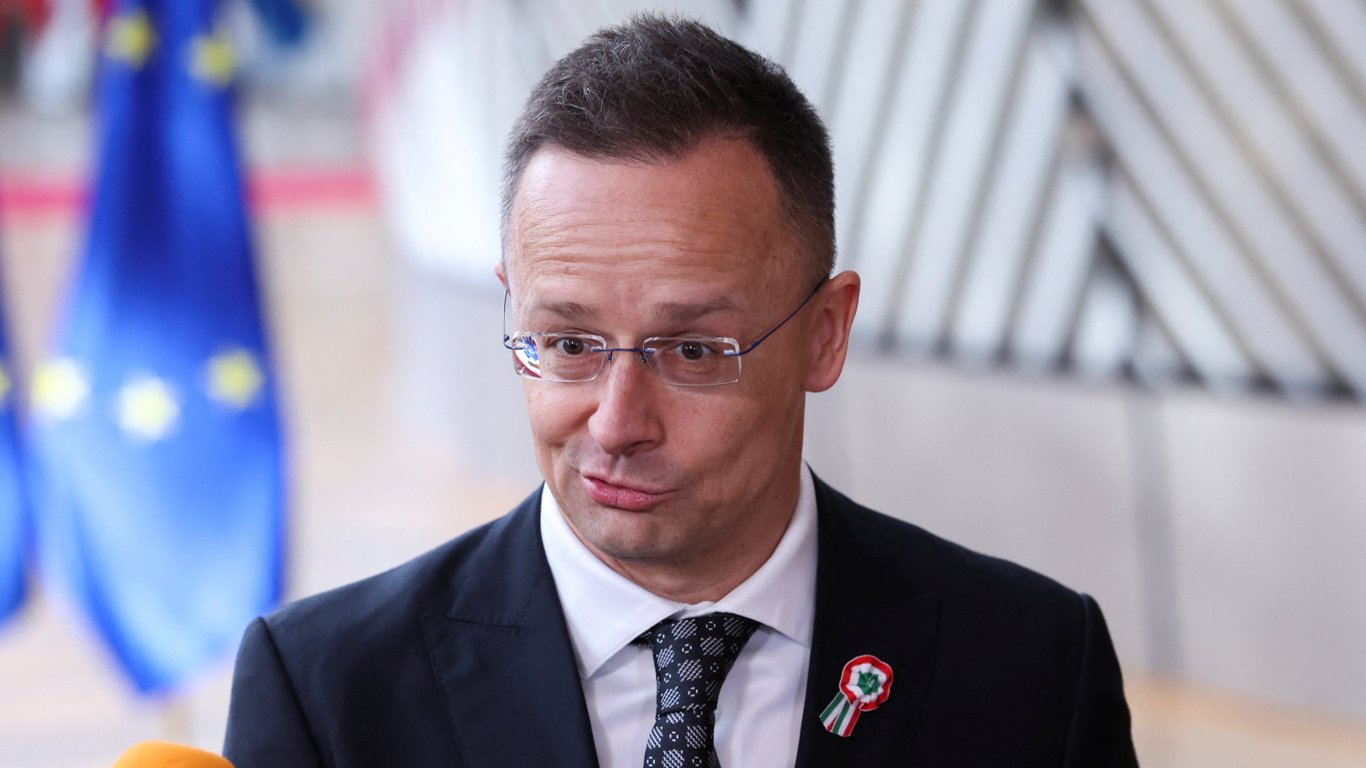
According to Novyny.live: At a March 16 meeting of the EU Council, Hungary leveraged the Druzhba oil pipeline issue as a bargaining chip in talks concerning Ukraine. Hungarian Foreign Minister Péter Szijjártó stated that his country would veto both new sanctions against Russia and EU funding until the transit of Russian crude oil resumes.
“It’s very straightforward. As long as we remain under an oil blockade, we will not agree to this decision,”he said.
Budapest has made clear it will not endorse any measures favorable to Kyiv unless oil flow through the Druzhba pipeline is restored. That pipeline was shut down after damage from a Russian strike in late January. According to Reuters, Hungary and Slovakia are blaming Ukraine for the prolonged halt.
Funding and Sanctions
EU leaders agreed in December to a €90 billion loan package for Ukraine and are currently negotiating a 20th round of EU sanctions against Russia. However, restarting the Druzhba pipeline remains a central sticking point in these discussions.
The ongoing dispute over the Druzhba pipeline and Hungary’s stance highlight how energy issues complicate the European Union’s policy toward Russia and Ukraine. By blocking funding and sanctions, Hungary could disrupt the EU’s overall strategy for supporting Kyiv, underscoring the role of energy security amid the conflict. This development also illustrates how energy interests can shape political decisions across the region.
Read also
- Hungary Accuses Ukraine of Targeting TurkStream Pipeline: The Threat to Regional Energy Stability
- Sibiha Slams Szijjártó for 'Disgusting' Reporting to the Kremlin from EU Meetings
- Leaked Calls Reveal Hungarian Minister Shared EU Sanctions Data with Russia’s Lavrov
- Hungary Presses EU to Drop Sanctions on Russian Oligarchs as Szijjártó Engages Lavrov
- EU Secrets Leaked to Moscow via Hungary: Budapest’s Actions Could Trigger Voting Reforms
- Brussels Demands Answers After Szijjártó Allegedly Shared EU Closed-Door Talks with Lavrov