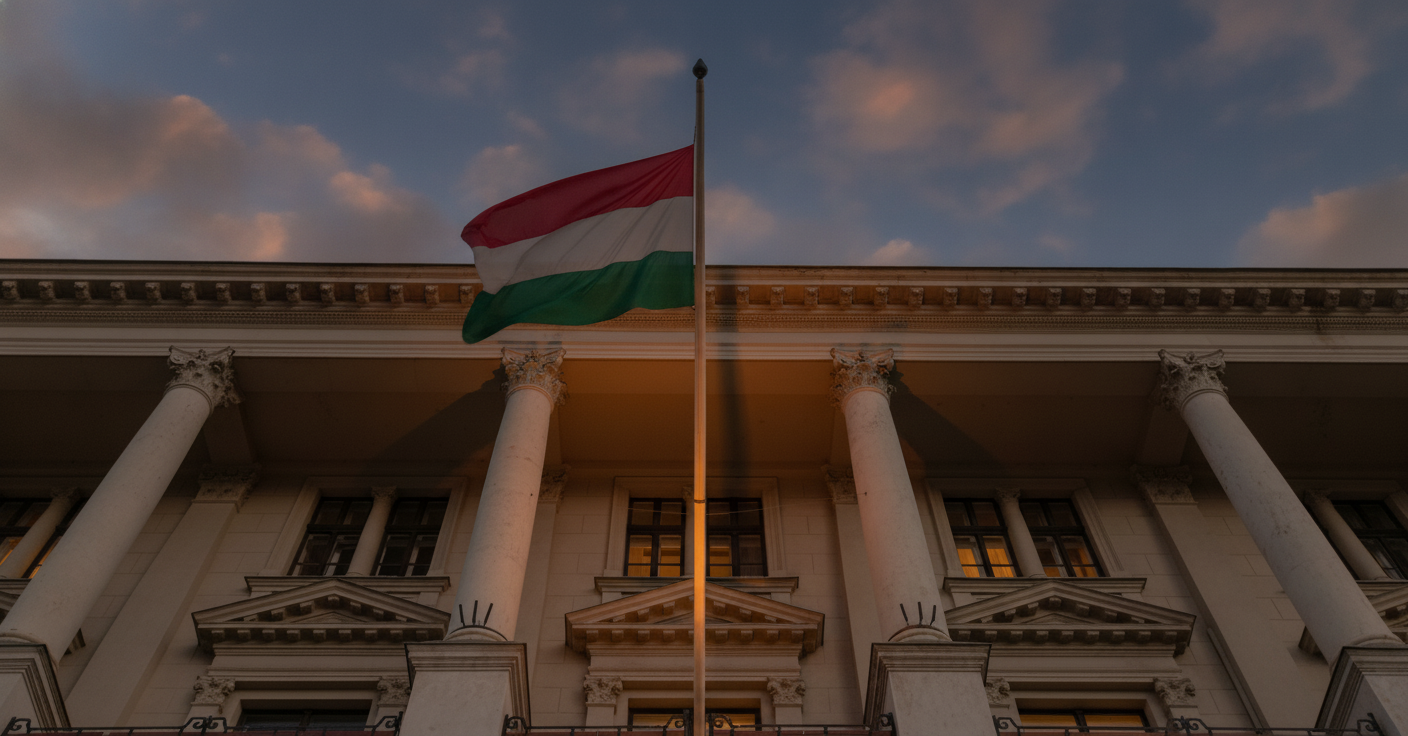
Hungary's Parliament Cuts Lawmaker Salaries and Imposes Term Limits on the Prime Minister.

Bill to Reduce Parliamentary Pay
According to Espreso.tv: Hungary's National Assembly has passed legislation that lowers salaries for its members and restricts how long a prime minister can serve. The bill received unanimous support from 189 lawmakers, with no votes against and no abstentions. The government introduced the proposal on May 28.
Under the new rules, the salary of a Hungarian MP—which previously stood at three times the national average—will now be set at 1.8 times the average wage. Before the change, each lawmaker earned 2,182,488 forints (roughly $5,300). After the legislation takes effect, that figure will drop to 1,309,439 forints (about $3,200). Both amounts are subject to taxation.
Eight-Year Cap on the Prime Minister's Tenure
In addition, the Tisza Party has put forward a constitutional amendment that would limit a prime minister's time in office to eight years. This move is intended to bring greater stability to the country's political landscape and promote more effective governance.
These developments—reducing lawmakers' pay and capping the premier's term—signal an effort by Hungary's government to address public demands for greater transparency and accountability among politicians. The changes could reshape the nation's political dynamics, particularly with upcoming elections and potential governance reforms on the horizon. Observers will be watching closely for the government's next steps and how the public reacts to these measures.
Read also
- Next Year Set to Deliver First Milestones as Ukraine Partners in Europe’s FREYJA Missile Defense Project
- Greece's Blockade of the 21st Russia Sanctions Package Forces EU to Rethink Strategy with Thematic Groups
- New UK-Ukraine agreement on joint weapons manufacturing: implications for regional defense
- Sanctions on Russia Are Falling Short, Zelenskyy Warns as Ballistic Missile Production Rises
- Forthcoming Proposal Aimed at Ending Aerial Strikes Being Drafted by Ukraine and the United States – What to Know
- Peace Appeal From Kazakh Leader During Putin Meeting