






2025 Year on the Front: How the War Has Changed After Trump's Return.
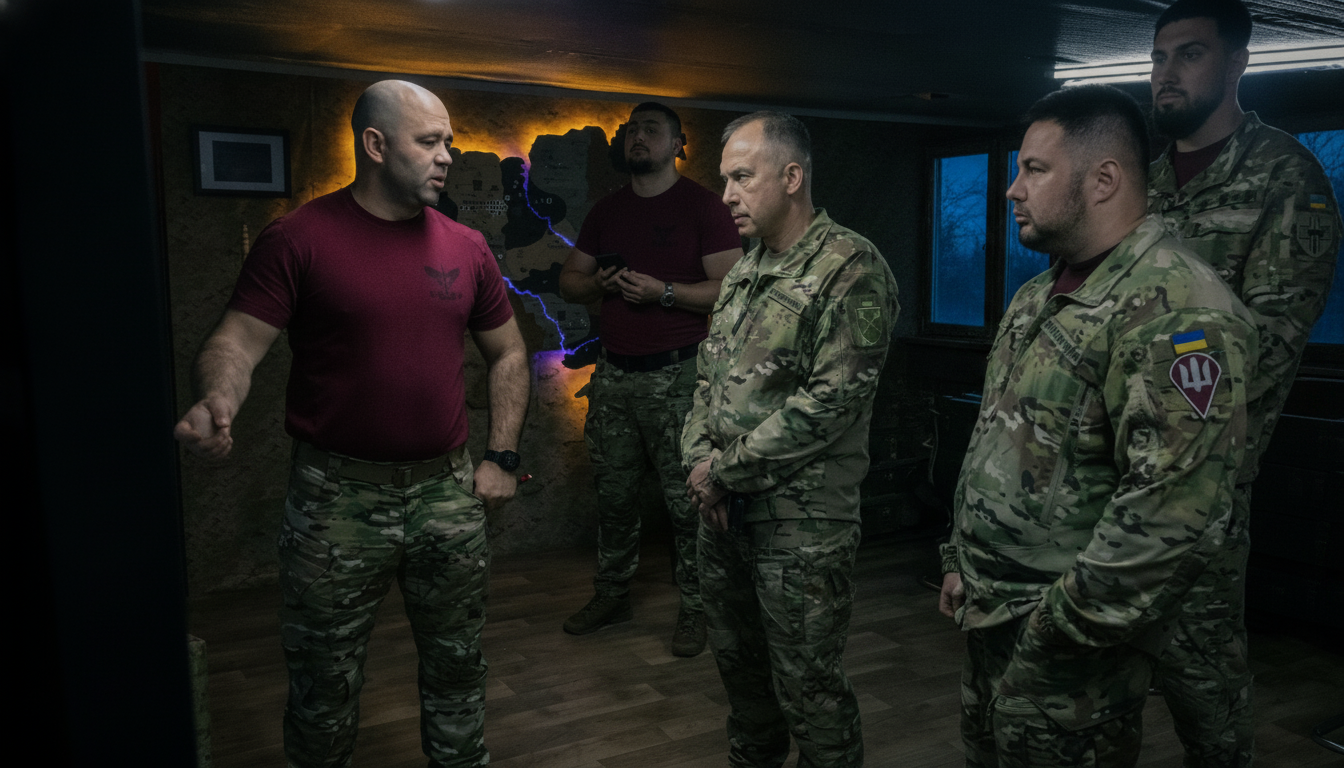
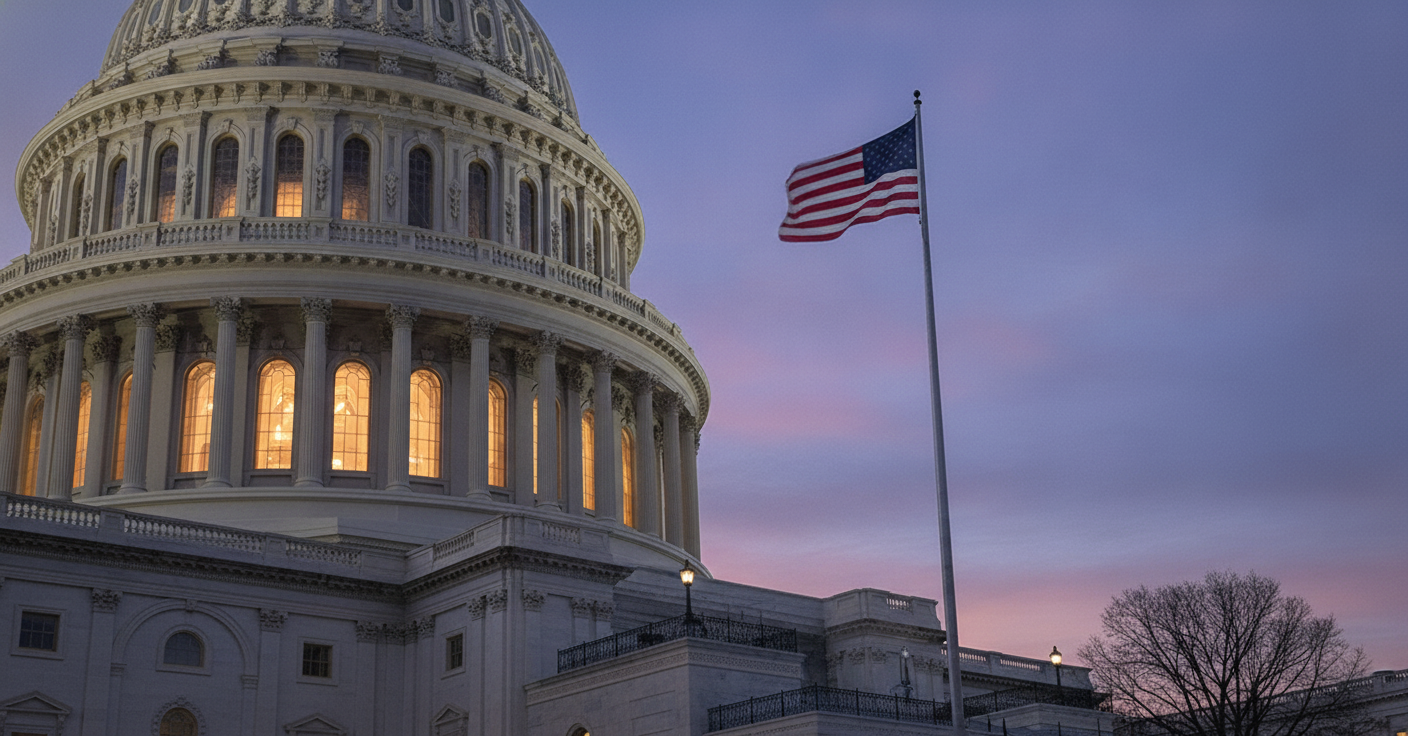
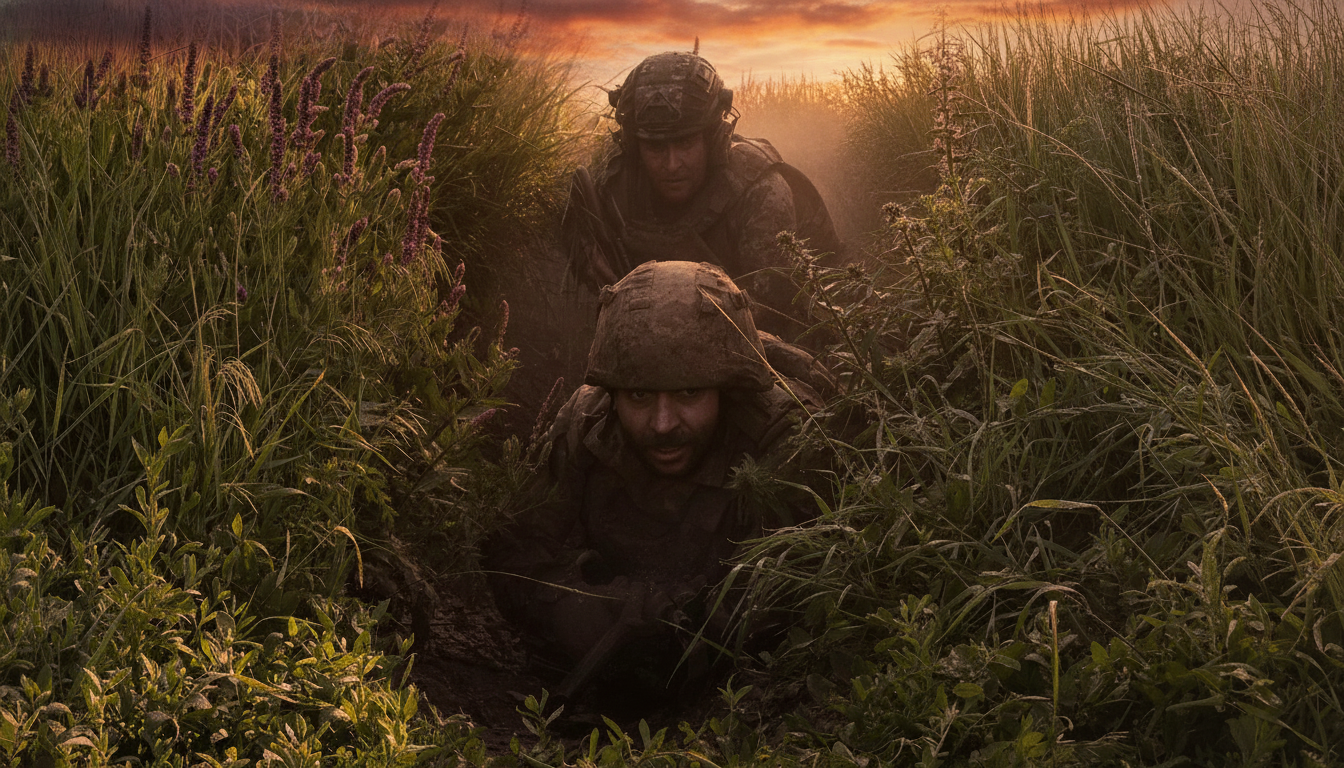
According to ТСН: The year 2025 became one of the most difficult for the Ukrainian armed forces, with a noticeable increase in the intensity of hostilities and changes in warfare due to new drone technologies and the exhaustion of the army. An additional factor was the return of Donald Trump to the White House, which had a significant impact on American policy towards Ukraine and opened a new phase of aggressive pressure. Now all events at the front are intertwined with decisions made in Washington.
Trump's Return and the Pause in Intelligence Sharing with the USA
At the beginning of 2025, Ukrainian troops suffered losses and left the town of Kurakhove. This marked the beginning of Russia's main offensive of the year, focused on the battle for Pokrovsk. At this time, Trump returns to the White House, whose policies and ultimatums became a reality for the Ukrainian army. The events on the battlefield that will unfold in the coming months are closely connected to Trump's decisions.
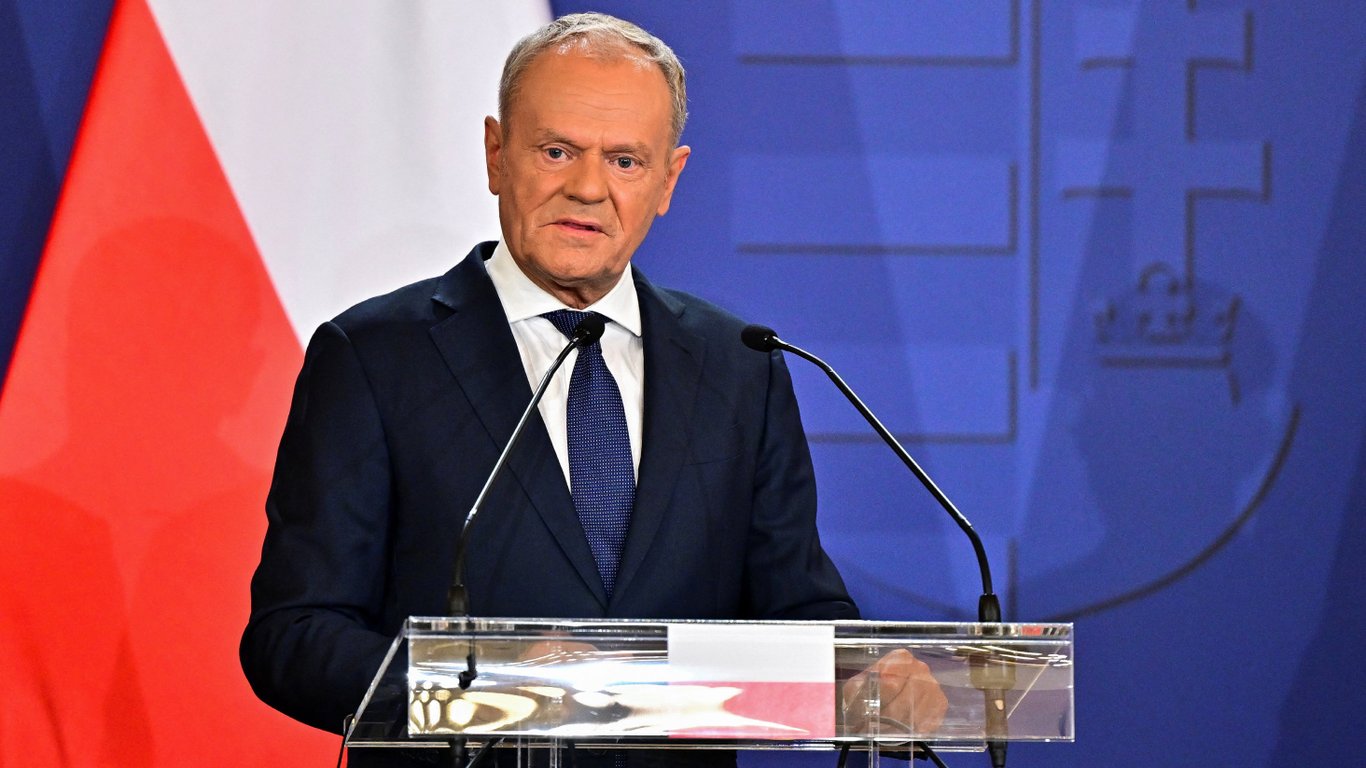
In February, the USA implemented a series of measures that changed the geopolitical situation. Trump's initiatives for a peaceful resolution of the conflict were accompanied by a restoration of dialogue with the Kremlin, as well as criticism of European partners who questioned Washington's intentions.
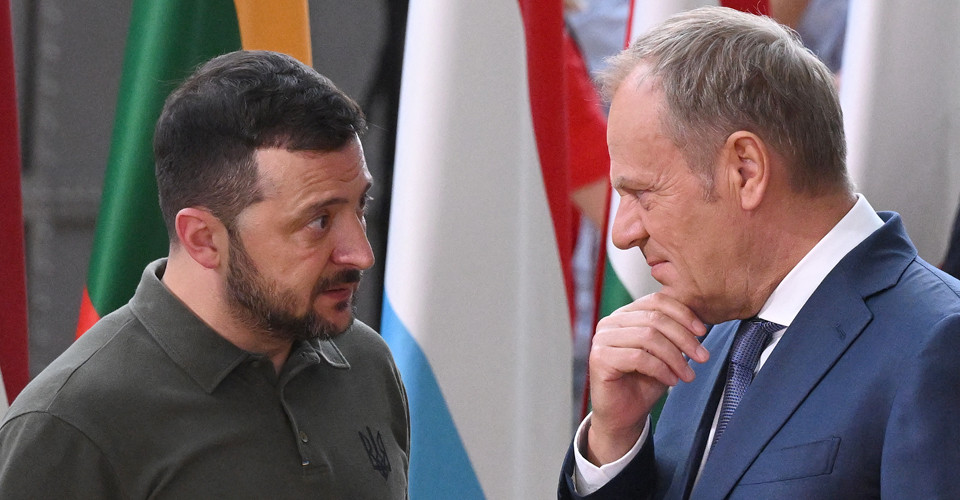
The meeting between Zelensky and Trump at the White House only deepened the misunderstanding about US support for Ukraine, as the negotiations ended in a dispute and highlighted the differences between the positions of both sides.
Russian Advance in Kurtschkaja
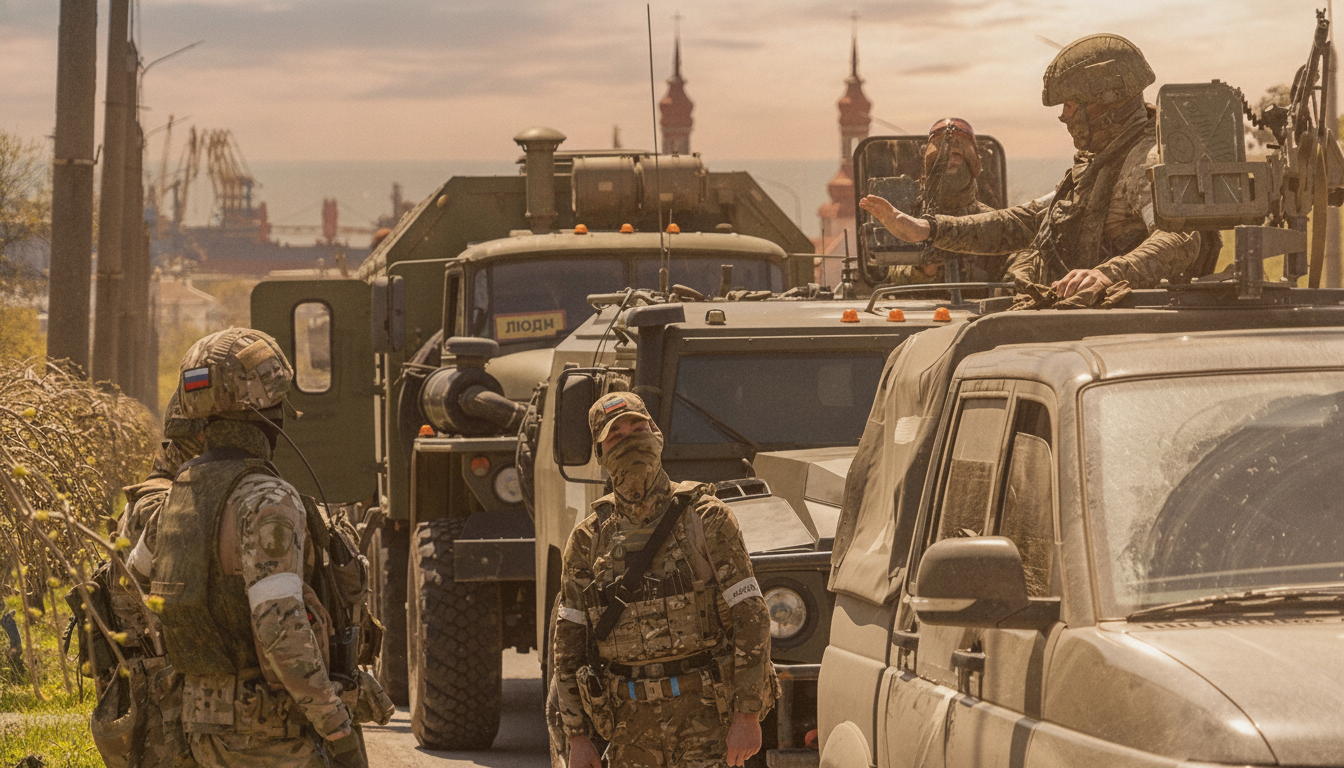
Against this backdrop, the USA decided to suspend intelligence sharing with Ukraine. This gave the RF the opportunity to actively act against Ukrainian positions in the Kursk region. Experts believe that this step by Washington negatively affected the Ukrainian armed forces and temporarily gave Russia an advantage. Initially, the Ukrainian armed forces controlled significant areas, but the situation began to deteriorate with the activation of Russian forces and reinforcements, particularly from North Korea.
Local 'Sumy Operation'
At the end of February, Russia launched an offensive in the Sumy region to force the Ukrainian armed forces to leave their positions in the Kursk region. The intensity of fighting increased on several fronts, highlighting the phase shift in the war.
Easter Restoration: Failed Attempt to Stop Fire Before It Started
The Kremlin announced a so-called 'Easter restoration' and solemnly declared the cessation of offensive actions. However, this initiative turned out to be a military maneuver, and the Russian armed forces continued their active offensive in key directions.
Negotiations in Istanbul: RF Accumulates Forces in the Sumy Region
In May, important diplomatic negotiations took place between Ukraine and Russia in Istanbul; however, their results did not meet expectations. The Russian side confirmed its intention to continue military actions, while the situation at the front deteriorated under the pressure of Russian forces.
'Web', Stealth Advance, and Ultimatum to Surrender
In June, Russia showed its readiness for negotiations but simultaneously continued its offensive. Despite the efforts of the Ukrainian intelligence services to strike the Russian Air Force, the meetings between the delegations of Ukraine and RF in Istanbul did not yield constructive results.
Zaporizhzhia Region: 'Silent Front' Where the RF Advanced
While the world's attention was focused on Donetsk, Russia increased pressure at the front in Huljajpole, leading to new threats for Ukrainian defense. The Russian armed forces discovered weaknesses in the defense and launched offensives that jeopardized critical logistical routes.
What Awaits Us in 2026?
In light of the aforementioned facts, the coming months of military operations promise to be tense. The main theater remains Donbass, where Russian forces may again attempt to seize key positions. Russia will continue to concentrate forces in certain directions, which will further exhaust them. Military experts believe that Ukrainian units, if acting successfully, will find it difficult to allow the enemy a deep breakthrough.
Read also
- Ukraine Pours $50 Billion Annually into Weapons, Developing New Air Defense System with NATO
- Zelensky Signals Readiness for Direct Talks with Putin
- EU Prepares Sanctions Targeting Chinese Firms Over Military Support to Russia
- Ukraine's Parliament Weighs New Penalties and Restrictions for Draft Evaders
- Zelensky Signals Readiness for Direct Talks with Putin
- Budanov on Leading the Presidential Office: Intelligence Experience Proves Key to Government Coordination