EU Membership Timelines for Ukraine and Moldova Hinge on Meeting Bloc Requirements.

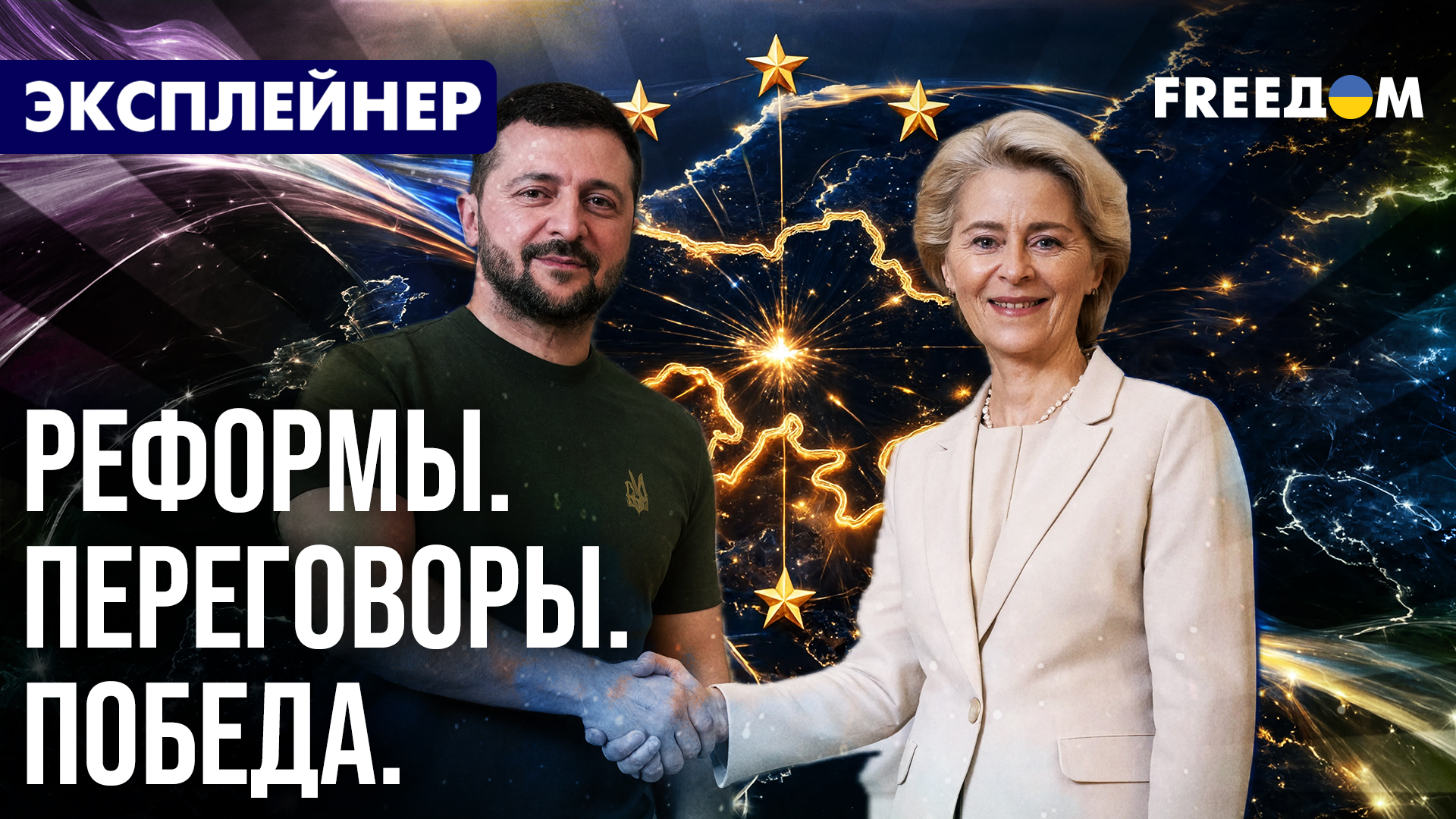
Ukraine and Moldova’s Path to the European Union
According to UATV: Ukraine and Moldova are advancing their European integration efforts, with progress directly tied to fulfilling European Union criteria. Ukraine was granted EU candidate status in June 2022, and formal accession negotiations officially began on June 25, 2024. These milestones come as both nations work to align with the standards required for EU membership.
Ukraine received its candidate status on June 23, 2022, after submitting its membership application in February of the same year. This designation marked a significant step for Ukraine as it seeks deeper integration into European institutions. According to Marta Kos, a key initial milestone for both Ukraine and Moldova came after they obtained candidate status in 2023.
Negotiations and Priority Areas
The opening of negotiations with Ukraine is scheduled for June 25, 2024, during the first EU Intergovernmental Conference, a pivotal moment in the integration process. In the summer of 2026, the first negotiation cluster, titled 'Fundamentals of the Accession Process,' is set to open. A total of six negotiation clusters are planned, covering various aspects of integration.
Key areas of progress for Ukraine include:
- reforming the justice system
- developing a market economy
- combating money laundering
- modernizing public administration
- protecting the rights of national minorities
These efforts are essential for meeting EU standards and ensuring successful integration.
Ukrainian President Volodymyr Zelenskyy emphasized the significance of this process, stating, 'If Ukraine gains full membership—and I hope it happens quickly—Russia will lose one of its main pretexts for attempting destabilization in Ukraine and Europe.'
In summary, the European integration of Ukraine and Moldova continues, with the outlined phases being crucial for both countries and broader regional stability. The EU accession process holds importance not only economically but also as a factor promoting political stability in the region, especially amid current security challenges. Successful conclusion of the talks could substantially reshape the geopolitical landscape of Eastern Europe and enhance cooperation between regional states and the EU.
Read also
- Three of Zelenskyy’s Own Appointees Lose His Trust: What’s Behind the Shake-Up?
- Zelensky Announces That the Next Coalition of the Willing Meeting Will Be Held in Ukraine
- New 'Anti-Ballistic Coalition' Emerges: Zelensky, Macron, Merz, and Starmer Join Forces
- Nine Nations Sign Declaration to Launch European Anti-Missile Shield Freyja, Announced by Zelensky and Macron
- Ukrainian Interceptor Rocket FP-7.X to Mirror Patriot Capabilities as Fire Point Launches European Freyja Program
- EU Nations Launch New Chapter in Ukraine’s Accession Talks: Key Details Revealed