How Ukraine’s Strikes on Russian Air Defenses and Supply Lines in Crimea Are Reshaping the War.

The Situation in Crimea
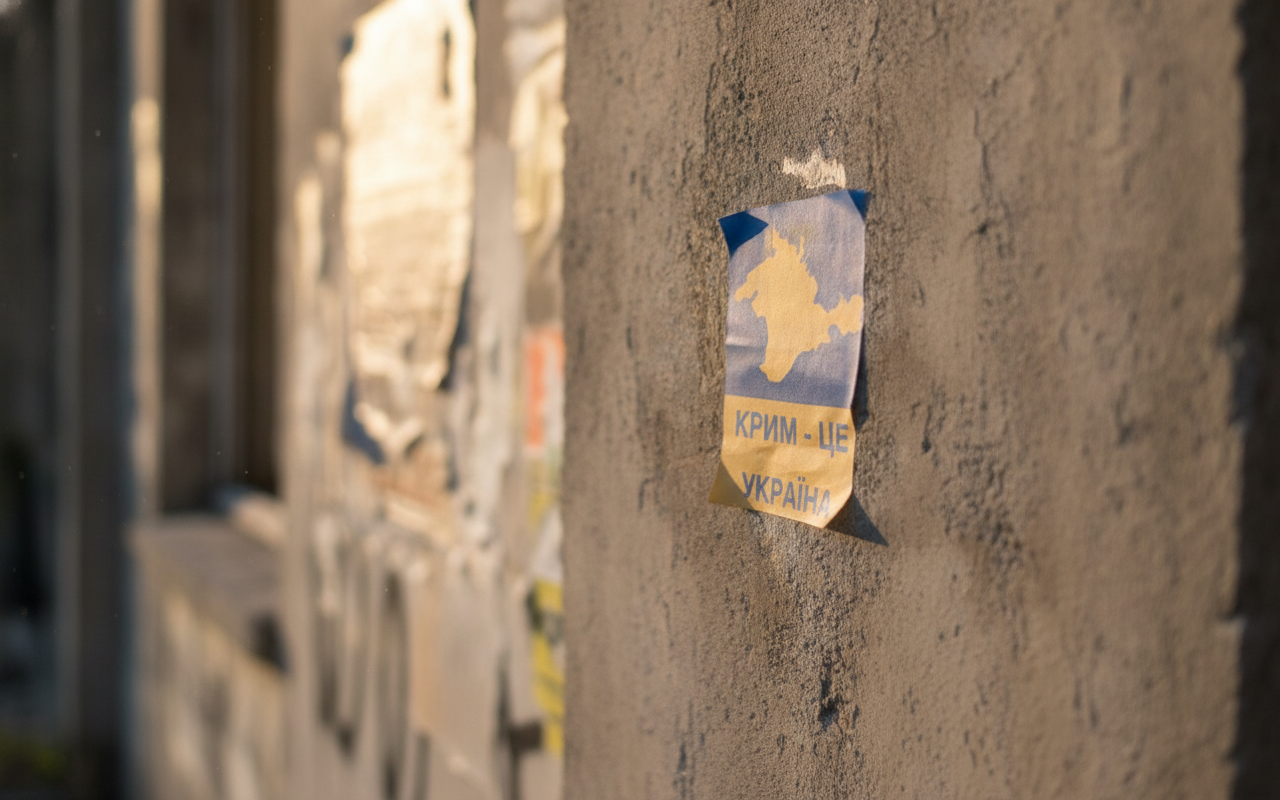
According to UATV: Ukraine is systematically dismantling Russian air defense systems and logistics networks across Crimea, targeting military infrastructure and supply routes. Military analyst Serhiy Hrabskyi explains that these strikes are aimed at dual-use facilities, making it increasingly difficult for Moscow to sustain its forces in the region. For English-speaking audiences unfamiliar with the nuances, Crimea has been a critical hub for Russian military operations since its 2014 annexation, and degrading its logistics there directly impacts Russia’s ability to project power in southern Ukraine.
The destruction of logistics capabilities near Crimea is severely hindering Russia’s ability to supply its troops. As Hrabskyi notes,
'When we talk about what is happening around Crimea, we must understand that we are currently working to destroy the enemy’s logistics network.'He further emphasizes that the issue of Crimea must be examined through multiple lenses: 'The situation with Crimea needs to be divided into socio-political, economic, and military aspects.'
Conflict Escalation
According to The Economist, drone strikes have turned Crimea into an active combat zone, signaling an escalation of the conflict in this strategically vital area. Hrabskyi observes that
'Remember, there is no clear boundary: here is a civilian facility, here is a military one.'This highlights how the lines between civilian and military targets have become increasingly blurred in wartime.
The expert also stresses that Ukraine’s actions are forcing Russia to realize that its presence in Crimea will become 'operationally pointless' in the future. By steadily eroding the enemy’s military capabilities on the peninsula, Ukraine is pursuing a strategy that could fundamentally alter the course of the conflict in the region.
Crimea will remain a focal point not only for Ukraine but also for the international community, as the destruction of Russian logistics networks could significantly shift the war’s trajectory. Military operations in this area may act as a catalyst for further escalation, while also influencing political and economic decisions in both Ukraine and Russia. Given these developments, it is crucial to monitor how international actors respond and what role they might play in resolving the conflict.
Read also
- Zelensky and Top Military Command Outline Response Plan to Russian Strikes
- EU's New Sanctions Package Targets Crypto Platforms Used to Bypass Restrictions
- New directives for Ukraine's National Security and Defense Council: Zelenskyy assigns tasks to Umerov and Klymenko
- Ukraine Extradites Former Lawmaker Demchak in Major Push to Bring Back Suspects
- EU Adopts 21st Sanctions Package Against Russia: What the New Restrictions Target
- Lithuania Accuses EU Nations of Undermining Sanctions for Their Own Economic Gain