Challenging Draft Board Decisions in Ukraine Requires a Separate Court Motion to Halt Enforcement.

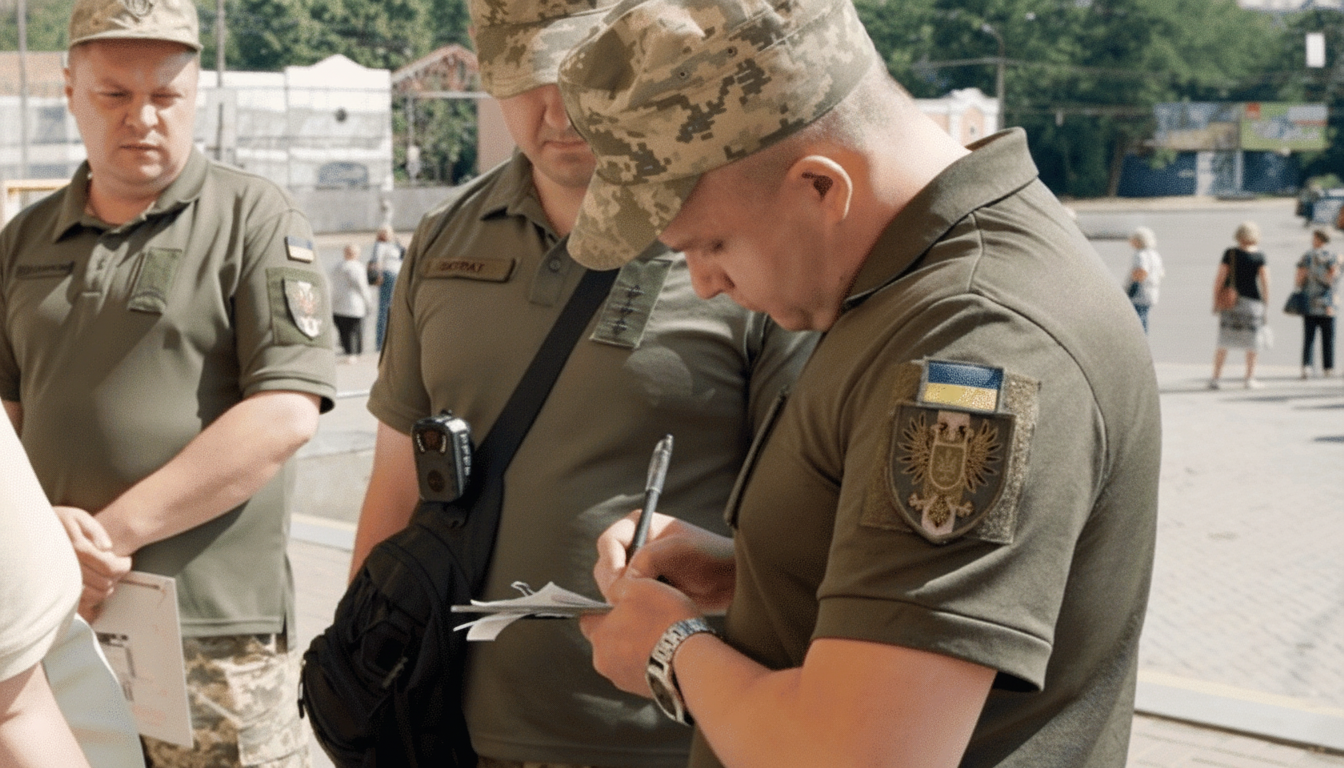
How to Contest Decisions from Territorial Recruitment Centers
According to Novyny.live: Ukrainian citizens have the legal right to appeal decisions made by Territorial Recruitment Centers (known as TCCs) that revoke their temporary unfitness status. However, to actually stop the enforcement of such a decision while the appeal is pending, individuals must file a separate motion for interim relief with the court. This right to challenge state agency actions is enshrined in Ukrainian law, allowing people to defend their interests when they disagree with a TCC ruling.
Those wishing to contest a TCC decision can submit complaints to a higher-level recruitment center or contact the Ministry of Defense hotline. It is critical to understand that simply filing a lawsuit does not automatically suspend the contested decision; only a separate court order for interim measures can do that.
According to Yuriy Ayvazyan, "unfortunately, the mere act of filing a lawsuit or even opening administrative proceedings does not stop the enforcement of the contested decision by the authority, unless the court has separately applied measures to secure the claim."
Individuals who have been classified as temporarily unfit must undergo re-examination. This status is often granted to people after surgical procedures, highlighting the importance of medical assessments in confirming such a classification.
The Critical Role of Legal Safeguards
As a result, the procedure for challenging TCC decisions serves as a vital tool for protecting citizens' rights, but it demands proactive engagement and a solid grasp of legal requirements.
This news underscores the importance of legal protection for citizens who may face decisions from state bodies affecting their military fitness status. Since the "temporarily unfit" designation is frequently tied to medical conditions, it is essential that individuals understand their rights and the mechanisms available to exercise them. Effectively using the law not only safeguards personal interests but also helps build greater public trust in state institutions.
Read also
- Zelensky’s Addresses Set Records: Mobilization and Demobilization Deepen Societal Rifts
- Over 150 Attendees Gather at Aspen Institute in Chernivtsi: How War Reshapes Social Cohesion
- Prosthetic Mannequins Debut in Ukraine: A Bold Statement on Inclusion
- OSCE Records 20,610 Deported Ukrainian Children in Report on Russian Crimes
- Two million for the shelter: LEROY MERLIN equips a safe hiding place in Fastiv Hospital
- Russian Forces Refuse to Evacuate Children from Kreminna, Using Them as Human Shields