Germany changes rules for Ukrainians: how to obtain long-term status.

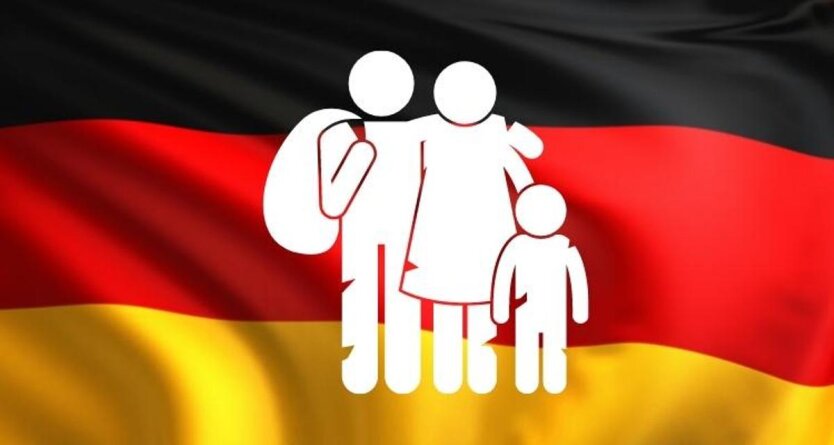
According to inkorr.com: Temporary protection for Ukrainians in the European Union has been extended until March 2027, but the Council of the Union is already urging countries to prepare for its conclusion. In Germany, which has accepted over 1.2 million refugees, efforts are actively underway to transition to long-term statuses. This may give employed Ukrainians a chance to solidify their positions. This is reported by DW.
The status of employed Ukrainians in Germany
The German Federal Ministry of the Interior (BMI) notes that EU recommendations are already being implemented. The government is advised to expedite the issuance of long-term residence permits, which opens up opportunities for obtaining permanent status. The Federal Ministry of Labor and Social Affairs (BMAS) emphasizes that changing status provides stability, especially for 341 thousand Ukrainians who have jobs — their number has doubled compared to 2022. Among them, 55 thousand work in part-time jobs, while others contribute to social insurance.
A small number of status changes
However, only 14 thousand Ukrainians have changed their status to working or studying due to numerous bureaucratic obstacles. It is necessary to contact the immigration office, provide a passport, confirm financial independence, and prove the absence of criminal records.
Requirements for changing status
Here are the main steps to transition to other statuses:
- For a work visa: employment contract, recognized qualification, knowledge of German at a satisfactory level.
- For a student or Blue Card: proof of study or job offer, renunciation of temporary protection.
- For vocational training (Ausbildung): possibly continuing on temporary status.
Language proficiency is verified by the company, and returning home is possible only under favorable circumstances with informational support.
Difficulties in changing status
The story of 37-year-old Eugenia from Bonn illustrates the difficulties: she has been working for three years, but spent one and a half of them in bureaucratic hurdles.
'I am very upset about this situation, as there is no clarity regarding the status. Despite having prepared all the necessary documents on time — I cannot get clear communication from the migration service,' she complains.
The office in Bonn acknowledges the delays: applicants must confirm compliance with the Residence Act (Aufenthaltsgesetz), which requires detailed clarifications.
From autumn 2025, the launch of Unity Hub is planned in Berlin — the first center for Ukrainians in the European Union that will provide consultations on changing status or repatriation. This will help eliminate informational gaps for 4.3 million refugees in the EU, including 1.2 million in Germany, amid the ongoing war and with a focus on integration.
Read also
- Despite Senator Graham’s Death, 80 Senators Still Back New Russia Sanctions Bill
- EU Fails to Adopt 21st Sanctions Package Against Russia: What Went Wrong
- The 2026 Tech Breakthrough That Gave Ukraine the Upper Hand on the Battlefield
- Ukraine Establishes Long-Range Strike Command: What This Means for Its Attack Strategy
- Turkey Seeks Third-Country Transfer of S-400s: Could F-35 Deal Be Revived?
- Russian Spy Ring Uncovered in Italy: Military Attaché Paid for Air Defense Secrets Bound for Ukraine