





Ukrainian Women Give Birth to Children from Fallen Husbands: How Reproduction Works.
According to ТСН: War takes the best. The greatest losses that Ukraine suffers are the death of young warriors who did not have time to start families and have children. This is not only a personal pain for families but also a serious blow to the genetic pool of the nation.
Faced with the loss of a loved one, the question arises: how to continue the lineage. Global practices show that this is possible. Post-mortem reproduction is conception after the death of one of the parents using frozen cells — and it is gaining popularity in Ukraine. Experts are already recording the first cases of children being born from fallen soldiers.
Unique Precedent: A Child from a Fallen Soldier in Israel
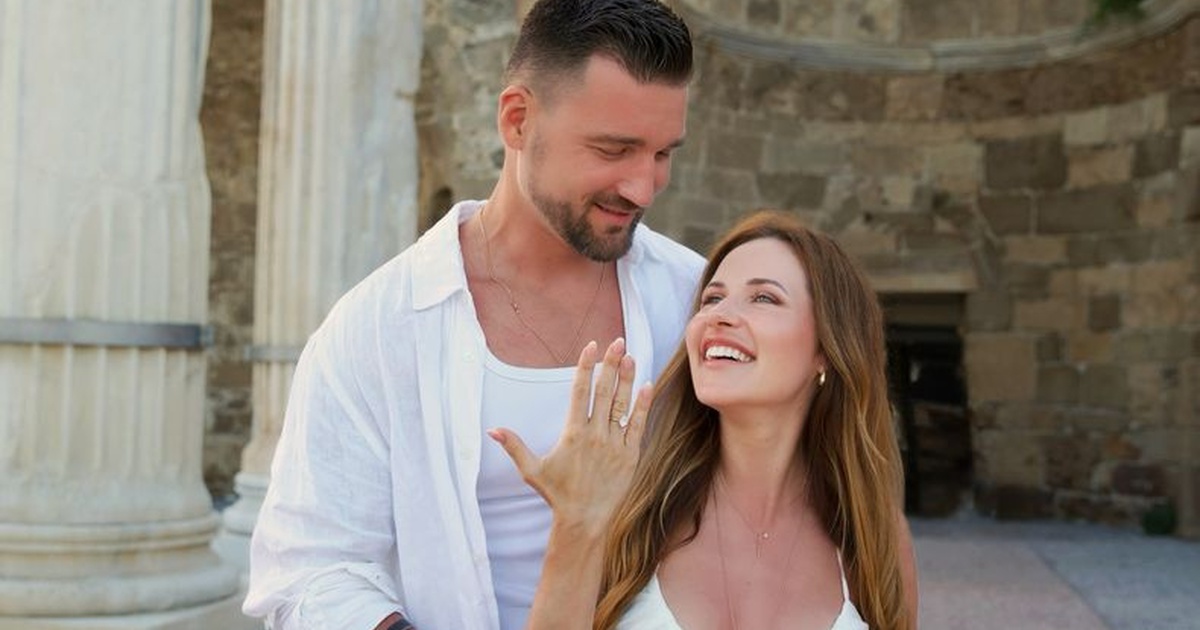
In summer, a unique case was discussed in Israel. On June 11, Hadas Levi gave birth to a boy from the military Nathaniel Silberga, who died in 2023. The couple was engaged but not married, and after the loss, Hadas decided to become a mother.
Doctors managed to obtain the necessary samples from the body of the deceased soldier. After October 7, the procedure for taking sperm from the deceased became common in Israel, as hundreds of relatives requested it after the soldiers' deaths.
Previously, a court order was required for collection, but after October 7, the law was changed: now the procedure is allowed to be carried out without a ruling, but the material cannot be used without it.
The woman obtained court recognition as a civil wife and received permission for fertilization. Of the nine samples obtained, only one was viable, but this was enough for the birth of a healthy boy in June 2025.
Experts emphasize that this topic covers not only medical issues but also deep human feelings, as well as complex religious and moral dilemmas. Discussion and legislative regulation of post-mortem reproduction require delicacy and an interdisciplinary approach.
Conception After Loss: What Ukrainian Doctors Say
Ukrainian specialists confirm that the case in Israel is not exceptional but deserves attention in wartime. Similar stories have also been recorded in Ukraine.
“We have a law that allows the use of frozen sperm from fallen soldiers. This right can be used by the wife or partner with informed consent or a will for the use of sperm. I think such cases will become more common,” says reproductive doctor Volodymyr Kotlik.
Sperm After Death: Technically Possible, But There is a Time Limit
The specialist claims that it is technically possible to take sperm from the body of a dead man, but time is important — sperm is viable for only 24-36 hours after death.
In Ukraine, all cases relate to the use of frozen sperm that military personnel donated earlier.
Will or Court: Conditions for Using Genetic Material in Ukraine
Cryostorage facilities in clinics store tens of thousands of doses of frozen sperm of soldiers. To use sperm after a soldier's death, two conditions are necessary:
“In Ukraine, this is possible under two conditions. If the man left a will, his wife or partner can take this opportunity. If there is no document, the woman must prove in court that she inherited the sperm,” explains Volodymyr Kotlik.
Scandalous Precedent in Dnipro
The expert cites a controversial case in Dnipro, where after the man's death, his parents are suing their daughter-in-law over the use of embryos.
“The first court decision has already allowed the parents to take three embryos out of six. This case shows the presence of a complicated situation that is leading to public scandals,” comments the reproductive doctor.
Why the Israeli Scenario is Currently Impossible in Ukraine?
Volodymyr Kotlik does not rule out that the situation where sperm is taken from a deceased soldier may be replicated in Ukraine. However, there is a significant logistical barrier:
“This is entirely possible. But in Ukraine, there are large distances and a lack of time, so no such case has been officially documented yet,” notes the doctor.
How Soldiers Can Care for the Future: State Program
Currently, the only real way remains to freeze genetic material in advance. The program is actively working:
“The program has been operating since the first days of the war. All ART clinics accept sperm from soldiers for freezing. Initially, it was free, and later the state began to cover the expenses,” says Volodymyr Kotlik.
What NSZU Covers and Storage Terms
The state program funds examination, collection, cryoconservation, and storage of material for soldiers:
For living soldiers: free storage during martial law and six months after its end.
In case of death: reproductive cells will be stored for three years from the moment of death.
The Main Legal Safeguard — The Will
Correctly drawn up directives are key to avoiding conflicts:
“Military personnel must make a will to determine what to do with reproductive samples. Only in this case will everything happen according to the deceased's wishes,” emphasizes Volodymyr Kotlik.
First Successes: Ukrainian Women Are Already Carrying Children
The doctor confirms that the program has already yielded results:
“In our clinic, there have been two cases where women used samples after losing their husbands at the front. Both women are now pregnant,” notes the expert.
The situation of continuing the lineage after loss is very sensitive. The introduction of clear legal mechanisms and informing military personnel about the possibility of cryoconservation becomes an important issue for national security.
Read also
- Memorial Plaque Unveiled at ONTU for Fallen Ukrainian Hero Oleksiy Vadatursky
- New Parking Signs in Ukraine: Which Vehicles Are Banned from Stopping in Designated Zones
- Men Over 50 Excluded from Combat Units: Decision Reached by Military Recruitment Centers
- Blago Unveils 'Blahozavryk' Mascot at Forum, Donating 100% of Profits to Superhumans
- Ukrainian Military Recruitment Personnel Now Authorized to Use Force and Weapons: What You Need to Know
- Heating Bills for January to Be Revised in Kyiv: Over 720 Million UAH in Compensation Announced