Ukraine’s 'Sova' Armored Vehicle Achieves Top-Tier Protection: Key Details Revealed.

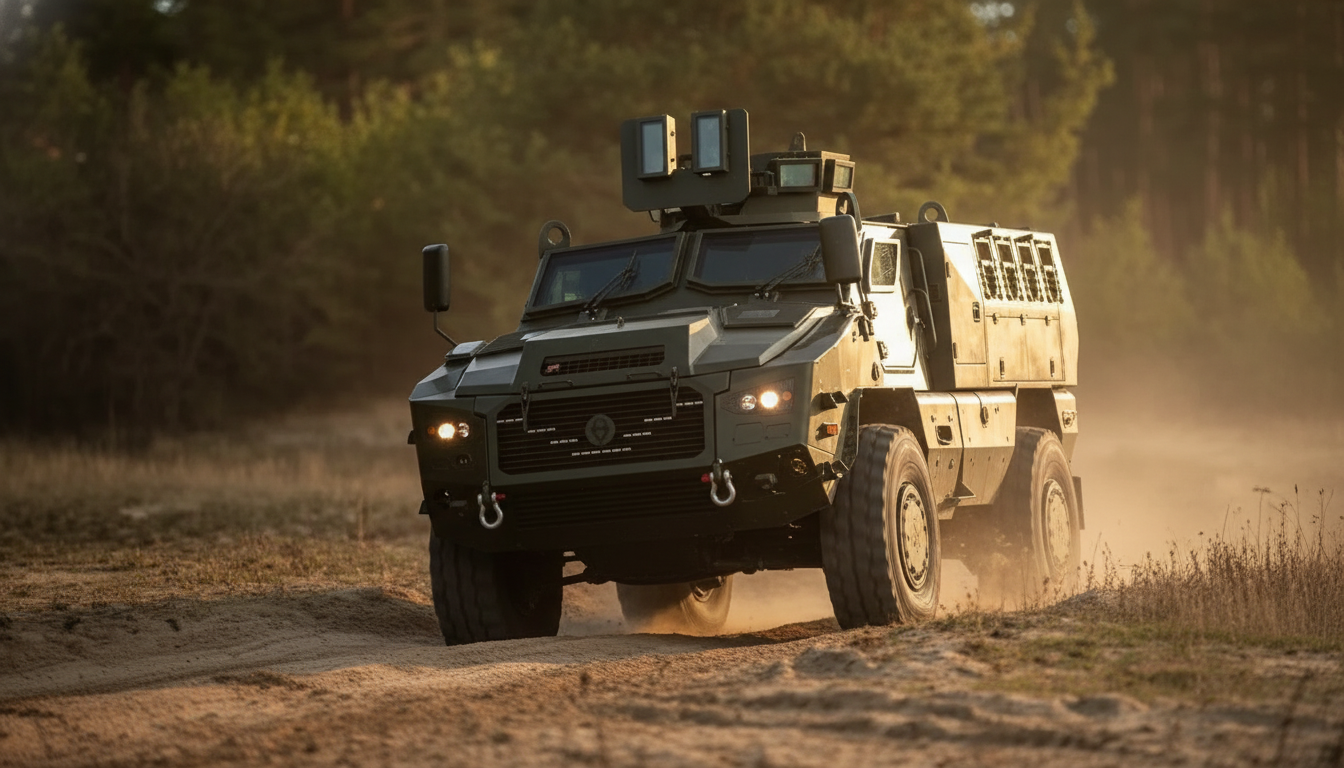
MAC OWL 'Sova' Armored Vehicle
According to Espreso.tv: The MAC OWL 'Sova' has become Ukraine’s first MRAP (Mine-Resistant Ambush Protected) vehicle to meet the STANAG 4569 Level 4a/4b mine protection standard. It can withstand blasts equivalent to up to 10 kilograms of TNT, highlighting its exceptional defense against mines and explosive devices. Development took over a year, with initial combat trials conducted in February 2026.
Manufactured by the Ukrainian company Military Armored Company HUB (MAC HUB) in partnership with Paramount (Greece), the 'Sova' was first publicly unveiled in January 2026. Shortly after, the prototype was deployed to the front lines in February 2026. Official codification by Ukraine’s Ministry of Defense followed on June 5, 2026.
Technical Specifications
The 'Sova' has a combat weight ranging from 14.2 to 15 tons, with a payload capacity of up to 2.2 tons. An 8.9-liter Cummins engine delivers 450 horsepower, enabling a top speed of 100 km/h on highways. Its operational range reaches 1,000 kilometers on public roads, while the vehicle’s height does not exceed 2.8 meters.
Key technical features of the MAC OWL 'Sova' include:
- 4×4 wheel configuration
- V-shaped hull
- Independent hydropneumatic suspension
- Central tire inflation system
- Hydraulic rear ramp
- Automatic fire suppression system
The STANAG 4569 Level 4a/4b protection is the highest among Ukrainian armored vehicles, with side armor reaching up to 16 millimeters in thickness.
Production prospects for the MAC OWL 'Sova' suggest the potential to manufacture dozens of units per month, which could significantly bolster Ukraine’s defense capabilities on modern battlefields.
The significance of the MAC OWL 'Sova' extends beyond its technical specs; it addresses the growing demand of the Ukrainian army for modern armored vehicles. This development enhances combat effectiveness, reduces risks to personnel, and improves mobility on the battlefield. Amid an ongoing conflict, such innovations could prove decisive for national security and defense.
Read also
- Ukraine’s Air Defense Gets a Boost: New 'Hot Dog' Drone Takes Down Over 300 Targets
- Windows That Generate Power Even at Night: A New Solar Innovation
- GE Aerospace’s Hybrid-Electric Aircraft Reaches 30,000 Feet in Key Test Flight
- Kyiv Officially Launches 5G: Coverage Areas and Speed Details Revealed
- World’s First Safety Certification Awarded to Swedish Wave Energy Converter Inspired by the Human Heart
- First U.S.-Ukraine Drone Agreement Signed: What It Means for Defense Cooperation