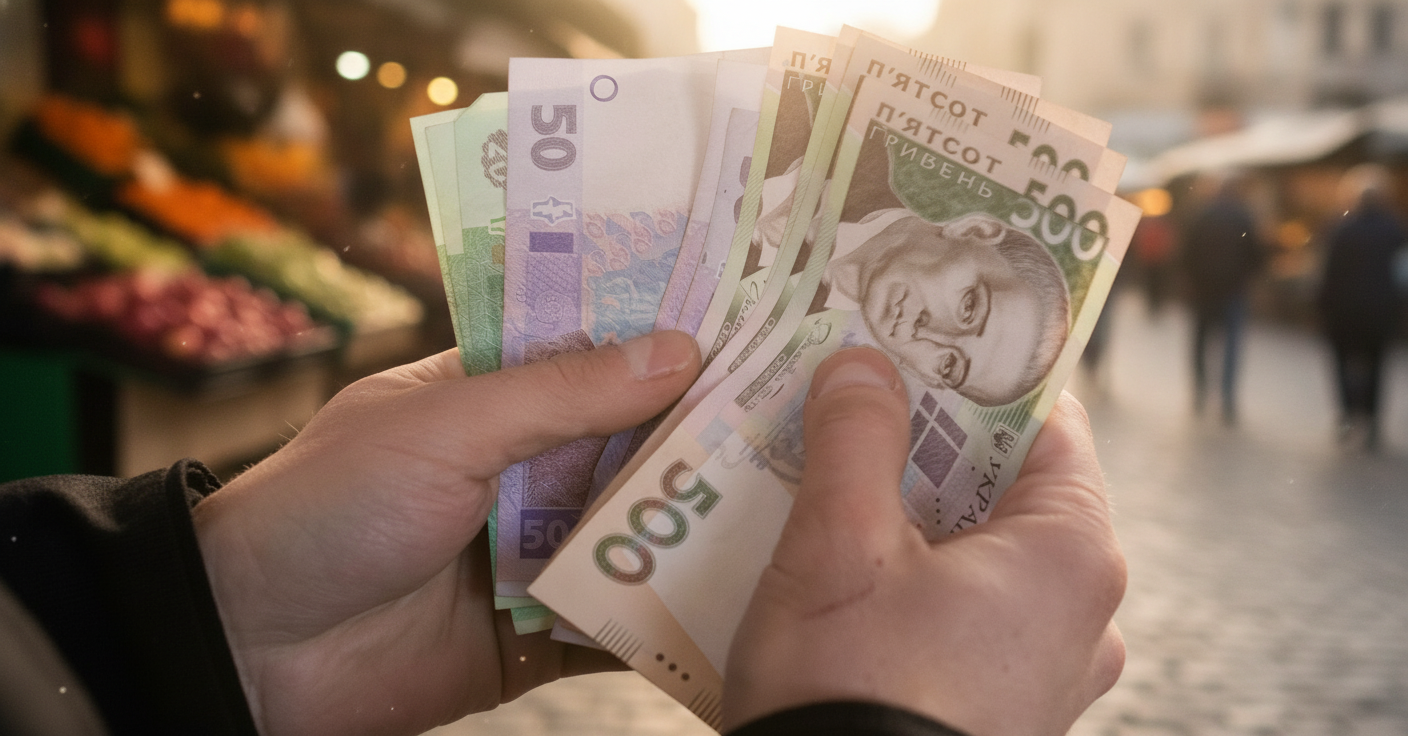
Harvest at Risk: How Frosts Will Affect Fruits and Berries.

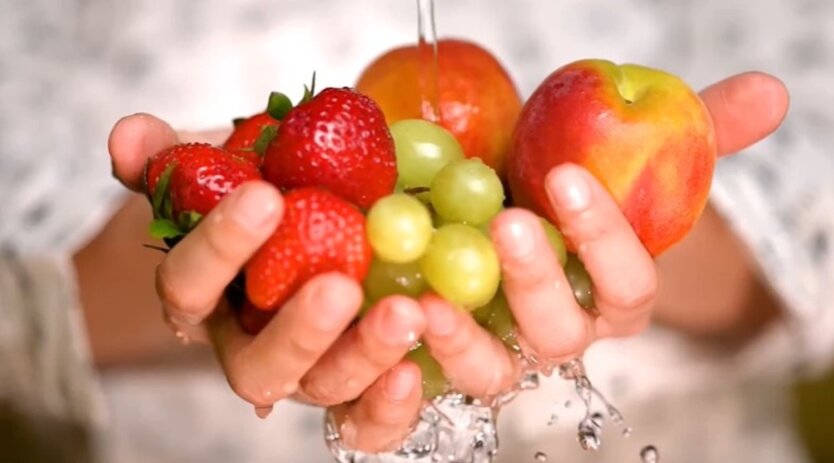
Ukrainian gardeners have begun to feel the consequences of spring frosts. The third wave of cold has affected apple and pear orchards, even those with high frost resistance. The peculiarity of these frosts is that their temperature was distributed unevenly. In some regions, the temperature dropped to -5...-6 degrees, which can damage flowering. However, in other areas, the temperature was higher by 3-4 degrees, which reduces the risk of crop damage.
In Vinnytsia region, which is considered the center of gardening in Ukraine, there are the most problems with the harvest. A similar situation is observed in Moldova.
Most farmers assess losses for apple and pear orchards as minimal, but there may be certain negative consequences. The quality and ability to store fruits for a long time may be affected. In addition, plants in the flowering phase may suffer additional damage, and garden strawberries are already damaged.
Gardeners warn that frosts may continue until mid-May, especially in central and western regions. This could lead to a significant decrease in the production of stone fruits in Ukraine, such as cherries, peaches, nectarines, and apricots. It is expected that we will rely on imports of these fruits from southern Europe, Turkey, and Central Asia. A decrease in the yield of summer raspberry varieties is also anticipated, but blueberries have so far not been affected by frost. Regarding apples, accurate yield assessments will only be possible in the second half of May.
According to the Ministry of Agrarian Policy, only 20% of gardening farms had access to modern frost protection technologies in 2024. This makes the industry particularly vulnerable to climate changes.
Overall, spring frosts have become a serious problem for Ukrainian gardeners. Fruit growing losses can negatively impact quality and storage capabilities. Prolonged frosts until mid-May are predicted, which may threaten the fruit harvest. A decrease in the production of stone fruits and raspberries may lead to reliance on imports.
Read also
- Over Half a Million Russians Declared Bankrupt as Economy Cracks Under Pressure
- Ukraine’s Inflation Trend Shifts: Fuel Costs Drop While Service Prices Climb
- Fear of a New Mobilization Wave Drives Russians to Mass-Buy Property Abroad
- Moscow Admits Fuel Shortage for First Time Amid Drone Strikes: Long Lines at Gas Stations and Crisis Affecting 50 Million Russians
- World Bank Disburses $3.35 Billion to Ukraine: Here’s How the Funds Will Be Used
- Kyiv Public Transport Fare to Rise to 30 Hryvnias Starting July 15: New Pricing and Pass Options