Critical Water Shortage Forces Emergency Refill of Lake Katlabukh in Odesa Region.

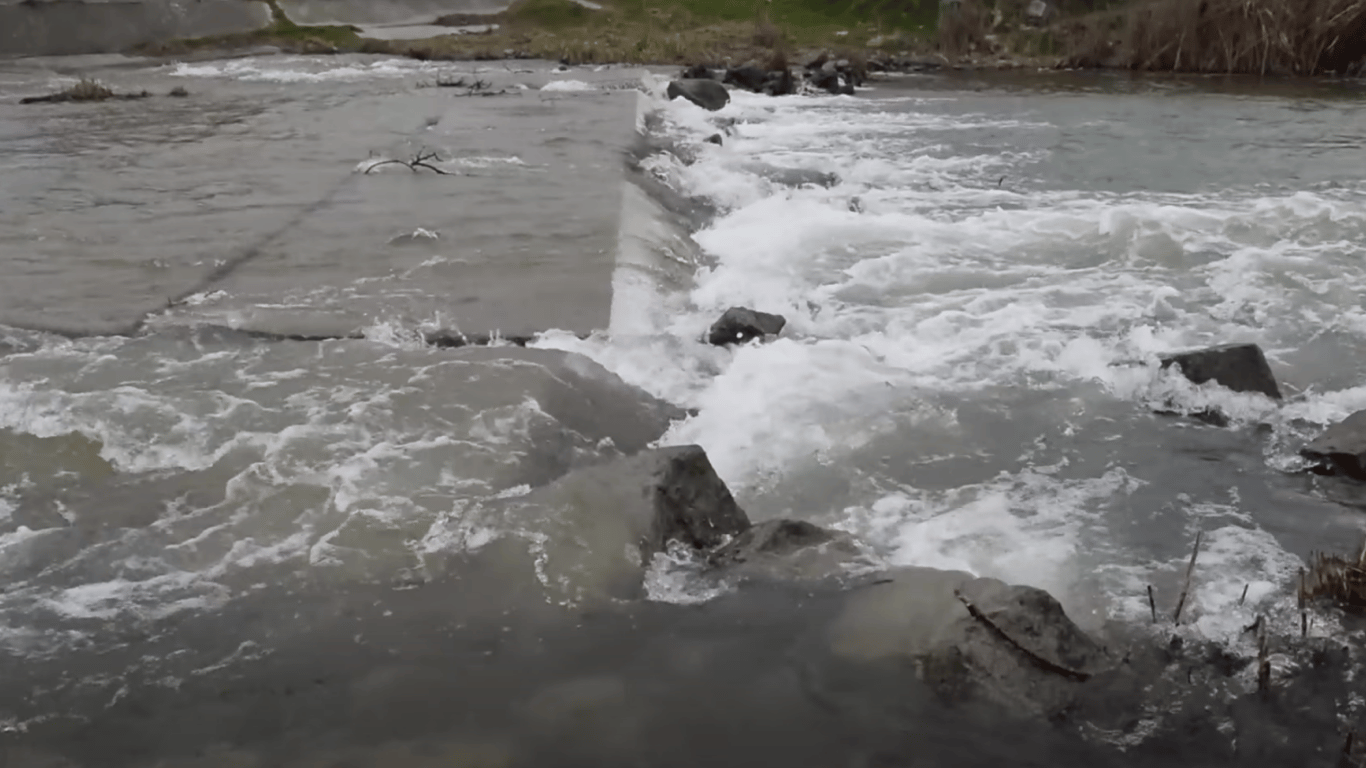
Lake Katlabukh Refill Operation
According to Novyny.live: Authorities in Ukraine’s Odesa region have launched a forced refill of Lake Katlabukh after its water levels dropped to a critical low, aiming to sustain local communities and prevent the collapse of the irrigation season. The emergency operation began in 2025 when severe shallowing was recorded at the lake.
This freshwater body serves as a vital water source for roughly 15,000 residents and irrigates over 9,500 hectares of farmland—essential for agricultural output in the region. More than 30 agricultural enterprises depend on Lake Katlabukh to keep their operations running.
Why the Lake Dried Up and What It Means
The water crisis in Odesa Oblast has been driven by several critical factors behind the lake’s depletion, including:
- prolonged heatwaves;
- lack of rainfall;
- weak water exchange.
These conditions have drastically lowered the lake’s water level, prompting urgent measures to replenish it.
Compounding the problem, damage to the dam at the Repida–ISRZ lock on the 97th kilometer of the Danube River, along with a roughly 60-meter breach in the riverbank slope, has worsened the region’s water supply challenges. Additionally, contamination from industrial oils in the Dniester River—following a Russian attack in early March—has further limited access to clean drinking water. Since the Dniester is a primary source of potable water for the city of Odesa, its ecological health directly affects local residents.
The forced refill of Lake Katlabukh represents a critical effort to maintain water security in the area, especially given that much of the local agriculture relies on this resource. With the Dniester’s water quality also under threat from war-related incidents, these measures could play a key role in stabilizing both water supply and agricultural productivity in Odesa Oblast. Swift action on these challenges is essential for the region’s sustainable development and the well-being of its people.
Read also
- Kyiv Electric Train Prices Increase from July 22: Fare Will Rise to 37 Hryvnias
- Russia Fines Residents for Storing Gasoline in Garages Amid Fuel Shortages
- Why Internally Displaced People in Ukraine Can't Get Mortgages: A Key Obstacle Identified
- Attacks on Ukrainians Surge in Poland: Hate Crime Numbers Jump 30%
- Civilian Casualties in Ukraine Hit Record Highs, UN Reports: A Closer Look at the Shift
- Fare rates for transportation in Kyiv have tripled: how the war is changing the transportation reality