Good Friday 2026: Strict Rules and Restrictions Believers Must Follow.

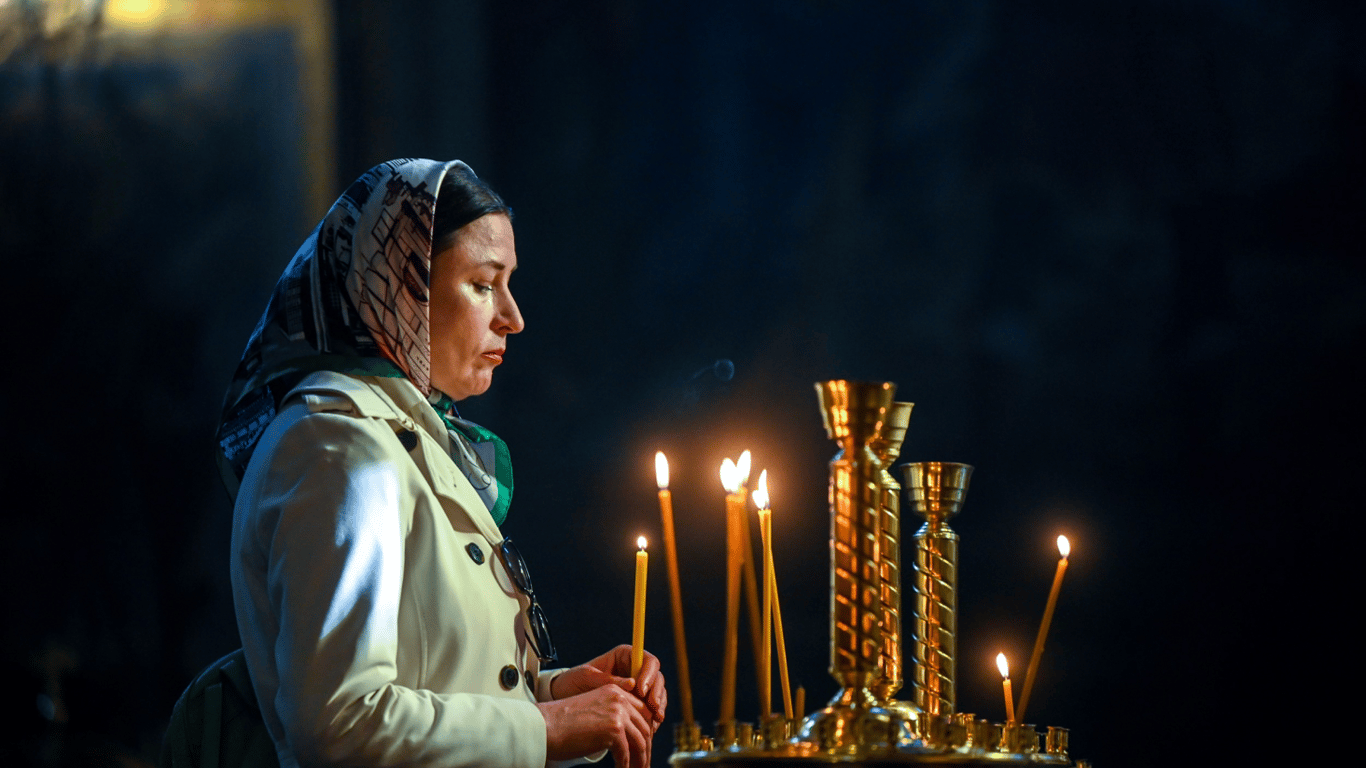
Good Friday in 2026
According to Novyny.live: In 2026, Good Friday falls on April 10. It is the most solemn day of Holy Week and Lent, when Christians commemorate the crucifixion of Jesus Christ. This day is observed with specific traditions and prohibitions that highlight its profound significance. For English-speaking audiences, Good Friday is a central observance in Western Christianity, often marked by fasting and reflection.
Traditions and Restrictions on Good Friday
Good Friday is observed in quiet and stillness. A key moment during services is the procession of the shroud, which symbolizes Christ's burial. Believers view this as a sacred reminder of Jesus' sacrifice and suffering.
Throughout Good Friday, believers must adhere to several restrictions:
- Avoid arguments and conflicts;
- No cleaning, laundry, or home repairs;
- No gardening or working the land;
- No sewing, embroidery, or handicrafts;
- No chopping or splitting wood;
- No heavy physical labor;
- No celebrations, singing, or loud gatherings.
Additionally, folk traditions surround Good Friday. For example, believers bring home 12 lit candles from the service. Bread baked on this Friday is believed to have healing properties. It is said that if a person abstains from food and drink all day, they will learn the time of their death three days later. Washing clothes on Good Friday is thought to cause them to wear out quickly, and spitting on the ground may turn away all saints. A clear, starry sky predicts a bountiful harvest, while rain promises a wet spring, and cloudy weather may indicate a poor yield.
Thus, Good Friday in 2026 will be a day of deep spiritual observance, when believers dedicate themselves to reflection, prayer, and age-old traditions.
Good Friday is a cornerstone of Christian tradition, emphasizing the meaning of Jesus Christ's sacrifice and suffering. Observing its customs and restrictions not only fosters spiritual focus but also reflects deep-rooted cultural practices preserved in society. These rituals help believers feel connected to their faith's history and to fellow members of the community.
Read also
- Teacher Fined in Ukraine for Using Russian in Classroom: Here’s What Happened
- Ukraine's Security Service Dismantles Fake Job Scheme for Draft Dodgers: Hundreds of Exemptions Sold for $5,000 Each
- Volunteer Threatened and Robbed of $11,000: Inside the Attack
- 150 Teens Already Employed in 2026: A Strong Start for Summer Youth Jobs
- War Transformed Her Life: Donetsk Teacher Creates Ukraine’s Largest Embroidered Shirt
- Kids Pick a Backpack in Seconds: What School Bags Must Offer in 2026