U.S. Supreme Court Bolsters Presidential Power, Overturns Precedent on Independent Agencies.

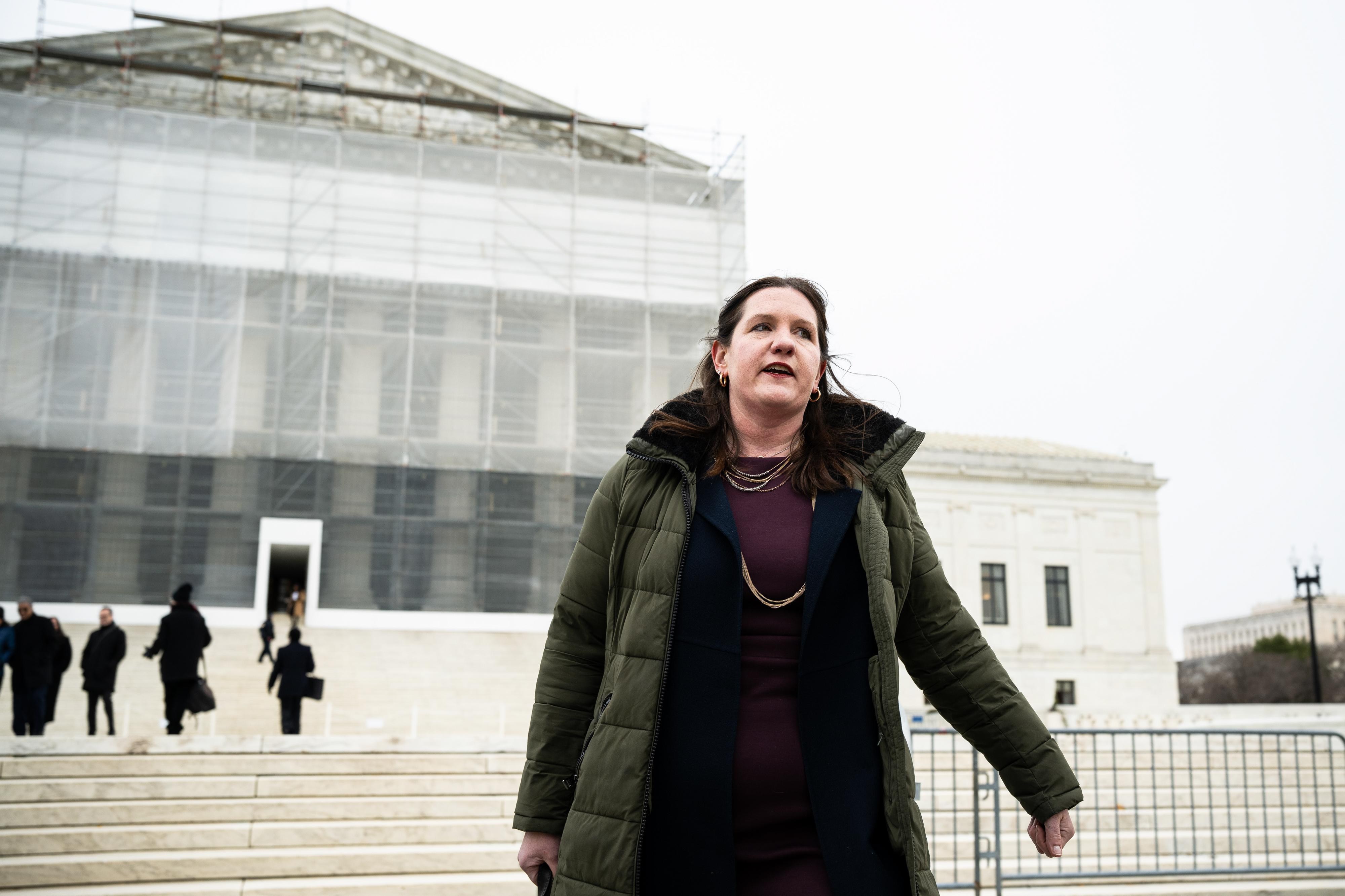
Supreme Court Ruling in 'Trump v. Slaughter'
According to Vox - Загальний: On Monday, the Supreme Court issued a decision in the case 'Trump v. Slaughter', significantly expanding the authority of the U.S. president and overturning previous rulings concerning independent federal agencies, including the Federal Trade Commission. This outcome caps a four-decade-long effort by Republican-leaning judges to strengthen executive powers, sparking intense debate among experts and policymakers. For an English-speaking audience, this ruling represents a landmark shift in the balance of power between the White House and regulatory bodies that have traditionally operated with some autonomy.
The 'Trump v. Slaughter' case was decided amid ongoing discussions about the president's role relative to independent agencies. The ruling invalidates the precedent set by 'Humphrey’s Executor v. United States' (1935), which had previously limited presidential control over such entities. It also means Congress will have fewer options to create new independent agencies, a change that could profoundly reshape national policy and administrative processes.
Impact on the Federal Trade Commission
The Federal Trade Commission, established in 1914, now faces a new governance landscape due to the president's expanded powers. Notably, the Supreme Court had signaled threats to the 'Humphrey’s Executor' precedent as early as 2009. Additionally, in the context of this case, the ruling in 'Trump v. United States' (2024) affirms that Trump can leverage presidential authority for criminal acts, raising alarms among human rights advocates and analysts.
- 'Trump v. Slaughter'
- 'Humphrey’s Executor v. United States'
- 'Trump v. Cook'
- 'Morrison v. Olson'
In 1988, Justice Antonin Scalia wrote a dissenting opinion in 'Morrison v. Olson', advocating for the 'unitary executive' theory. The 'Trump v. Slaughter' decision may mark a pivotal moment in U.S. presidential history, altering the power dynamics among the branches of government.
The Supreme Court's ruling in this case has the potential to significantly reshape the relationship between the executive and legislative branches in the United States.
Source: expert commentary
Given historical precedents, this decision could lead to a surge in executive authority and limit Congress's ability to oversee independent agencies. This may have far-reaching consequences for policy and governance, making them more dependent on the president's directives.
Read also
- Zelensky and Top Military Command Outline Response Plan to Russian Strikes
- EU's New Sanctions Package Targets Crypto Platforms Used to Bypass Restrictions
- New directives for Ukraine's National Security and Defense Council: Zelenskyy assigns tasks to Umerov and Klymenko
- Ukraine Extradites Former Lawmaker Demchak in Major Push to Bring Back Suspects
- EU Adopts 21st Sanctions Package Against Russia: What the New Restrictions Target
- Lithuania Accuses EU Nations of Undermining Sanctions for Their Own Economic Gain