U.S. Supreme Court Greenlights Trump's Firing of FTC Commissioner: What It Means for Presidential Power.

Landmark Ruling in Trump v. Slatter Reshapes Executive Authority
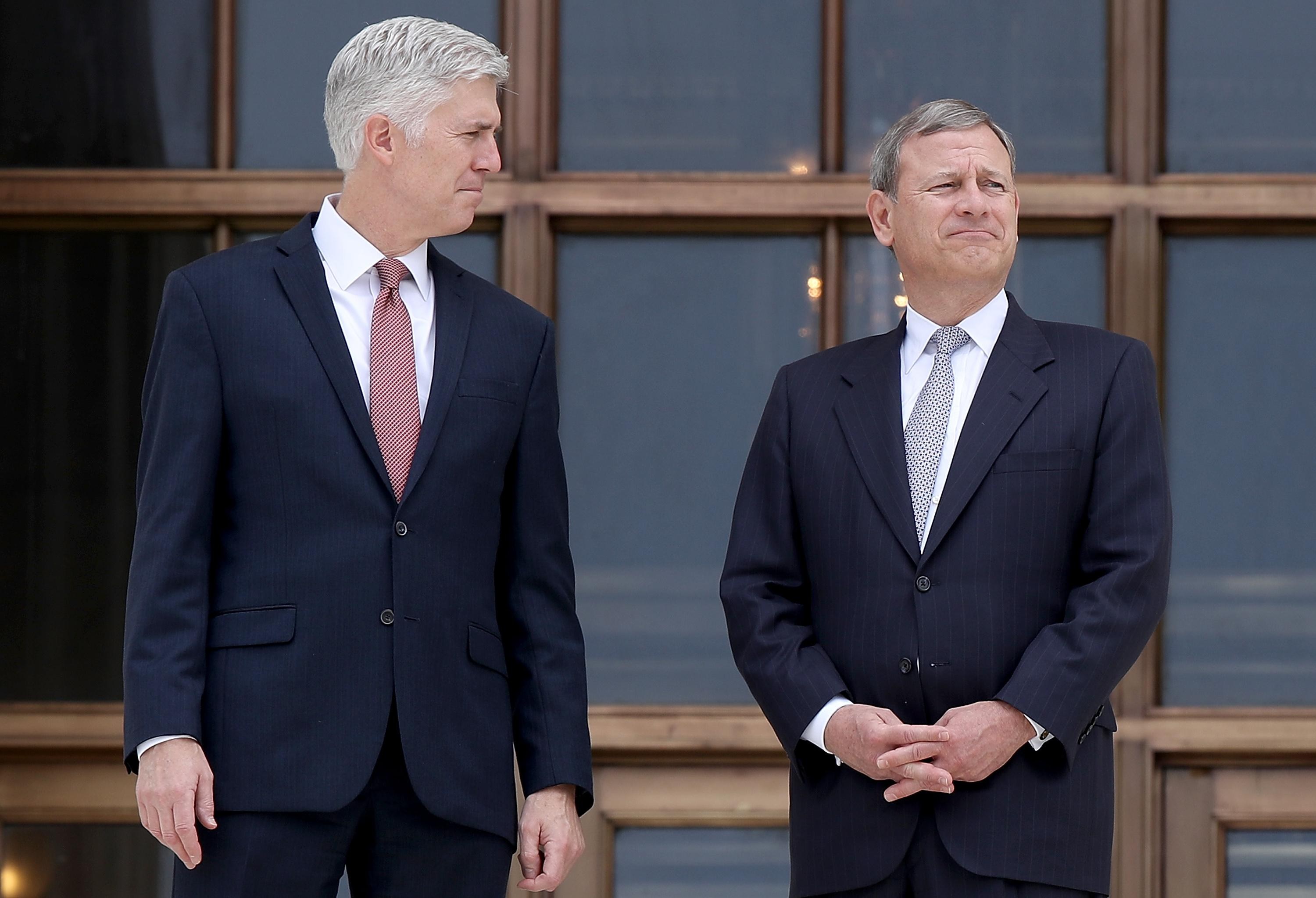
According to Vox - Загальний: The U.S. Supreme Court has delivered a pivotal decision in the case of Trump v. Slatter, ruling that President Donald Trump acted lawfully when he dismissed Rebecca Slatter from the Federal Trade Commission (FTC), despite congressional safeguards. The ruling marks a significant expansion of presidential control over federal agencies, challenging the traditional boundaries between the executive and legislative branches.
Core of the Case
At the heart of Trump v. Slatter was the question of whether the president could override restrictions imposed by Congress. Lawmakers had previously stipulated that FTC commissioners could only be removed for 'inefficiency, neglect of duty, or malfeasance in office.' However, the Supreme Court found that such congressional constraints unconstitutionally infringed on the president's executive powers.
This decision bolsters the 'unitary executive' theory, which grants the president broad authority over the administration of executive functions. Justice Neil Gorsuch, in a concurring opinion, warned of the broader implications:
'By allowing presidents to control not only executive functions but also vast new reservoirs of legislative and judicial power, this risks inviting exactly what those who created our Constitution feared.' Justice Neil Gorsuch
The ruling has sparked intense debate among legal experts and policy analysts. Gillian Taylor noted that 'research shows countries with stronger rule of law typically have higher levels of agency independence.' This issue extends beyond the United States, touching on the global challenge of balancing executive authority with independent regulatory oversight in democratic systems.
By weakening congressional protections for independent agencies, the Supreme Court's decision raises fundamental questions about the separation of powers. The expansion of presidential authority could reshape how federal agencies operate, potentially undermining the rule of law—a cornerstone of democratic governance.
Read also
- Zelensky and Top Military Command Outline Response Plan to Russian Strikes
- EU's New Sanctions Package Targets Crypto Platforms Used to Bypass Restrictions
- New directives for Ukraine's National Security and Defense Council: Zelenskyy assigns tasks to Umerov and Klymenko
- Ukraine Extradites Former Lawmaker Demchak in Major Push to Bring Back Suspects
- EU Adopts 21st Sanctions Package Against Russia: What the New Restrictions Target
- Lithuania Accuses EU Nations of Undermining Sanctions for Their Own Economic Gain