U.S. Supreme Court to Decide Fate of Thousands of Ballots: Will Votes Cast After Election Day Be Discarded?.

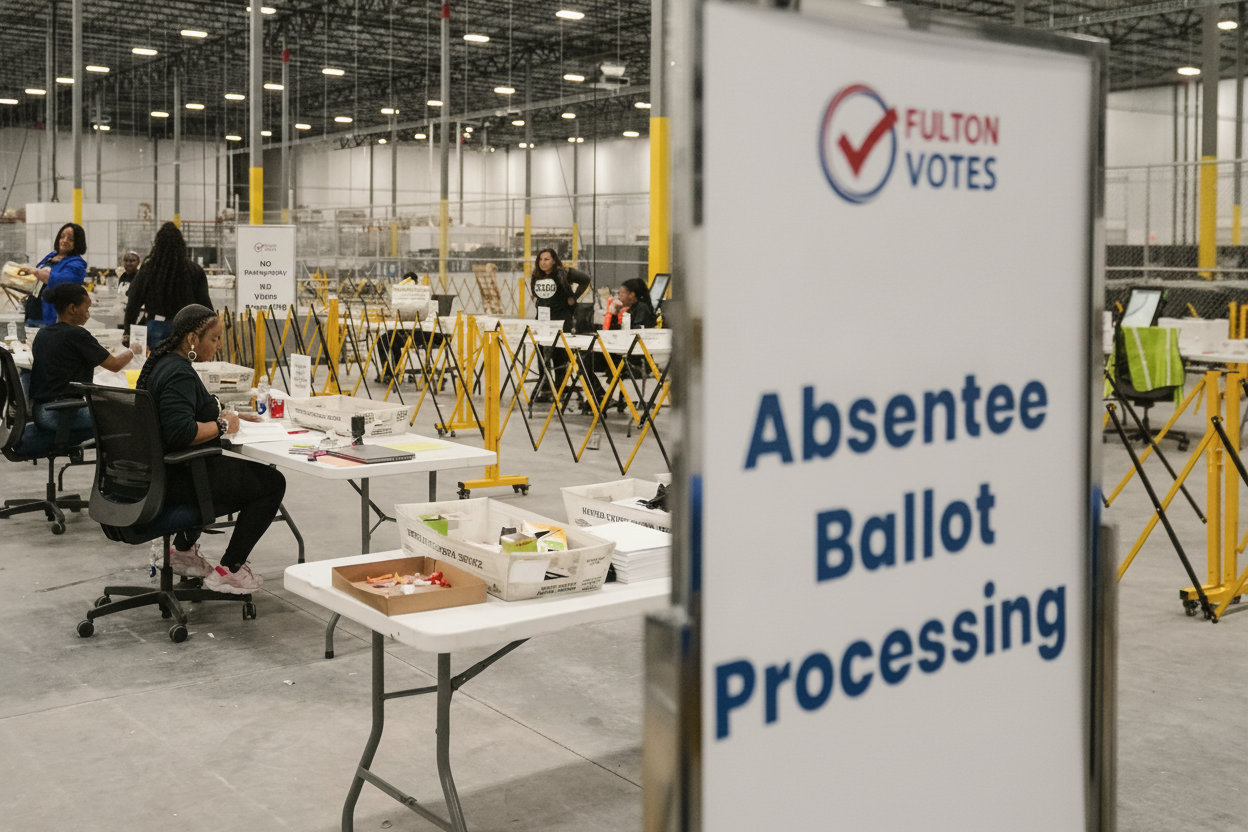
The Watson v. Republican National Committee Case
According to Vox - Загальний: The case Watson v. Republican National Committee revolves around three 19th-century federal laws. According to the Republican Party, these laws mandate the rejection of legally submitted ballots. This case has sparked intense debate within the U.S. Supreme Court, as it touches on vote-counting mechanisms and voter rights.
Historical Background
A key element of this case is a law regulating elections for the House of Representatives, enacted in 1845. This date is significant because it laid the groundwork for electoral practices that persist today. Currently, 30 states, including Mississippi, allow ballots received after Election Day to be counted. In Mississippi, voters have a five-day window to submit their ballots, ensuring voting access for those unable to mail theirs on time.
It is worth noting that for over a century, states have counted ballots arriving after Election Day. In the 1940s, seven states passed new laws permitting the acceptance of certain late ballots. This reflects the evolution of U.S. election law, which has sought to adapt to voters' needs.
“When federal law set the date of the 'election,' it 'established the day on which the electorate must make its choice.'”
Amy Coney Barrett, Supreme Court Justice
She further emphasized, “Because we are governed by 19th-century election laws, we are also governed by 19th-century voting practices.” These statements highlight the critical debate over the relevance and application of old laws in modern contexts.
Thus, the Watson v. Republican National Committee case reveals a complex interplay between historical statutes and contemporary voting practices in the U.S., underscoring the importance of protecting voter rights amid an evolving legal landscape.
The proceedings in Watson v. Republican National Committee illustrate how historical laws can shape modern electoral processes, drawing attention to the need for their adaptation to current conditions. This case also reflects a broader discussion about voter rights and ensuring ballot accessibility, which is critically important in times of shifting political climates in the U.S. The Supreme Court's ruling could have far-reaching implications for election policies and practices nationwide.
Read also
- Zelensky and Top Military Command Outline Response Plan to Russian Strikes
- EU's New Sanctions Package Targets Crypto Platforms Used to Bypass Restrictions
- New directives for Ukraine's National Security and Defense Council: Zelenskyy assigns tasks to Umerov and Klymenko
- Ukraine Extradites Former Lawmaker Demchak in Major Push to Bring Back Suspects
- EU Adopts 21st Sanctions Package Against Russia: What the New Restrictions Target
- Lithuania Accuses EU Nations of Undermining Sanctions for Their Own Economic Gain