Declining Trust in the U.S. Supreme Court: How Political Polarization Is Reshaping Justice.

The U.S. Supreme Court Amid Political Division
According to Vox - Загальний: As America marks its 250th anniversary, the U.S. Supreme Court finds itself under intense scrutiny. Its rulings carry profound weight for the nation's legal system, yet growing political polarization, shifts in the Court's composition, and emerging legal doctrines are making its decisions increasingly difficult to interpret. The Court's functioning now raises serious concerns, even during this historic milestone.
The Supreme Court lacks the authority to overturn decisions made by Congress or the president, underscoring its limited role in the political process. In 2023, the Court ordered Alabama to redraw its congressional districts in the case Allen v. Milligan, requiring the creation of an additional district with a majority Black population. This ruling marked a significant step toward ensuring minority representation in the political process.
Landmark Supreme Court Rulings
Recent key decisions from the Supreme Court also highlight shifts in legal interpretation. For instance, in 2022, the Court ruled in New York Rifle & Pistol Association v. Bruen, a decision that complicated the enforcement of modern gun laws. This sparked widespread debate over firearm rights and public safety. Later, in Mirabelli v. Bonta, the Court mandated that teachers notify parents about transgender students, igniting discussions about children's rights and parental responsibilities.
These are not the only examples of the Court's impact on the legal landscape. In 2024, the case United States v. Rahimi saw the Supreme Court strike down a law banning individuals subject to domestic violence restraining orders from owning firearms. This decision could have serious consequences for public safety and the protection of domestic violence victims.
“The purpose of a written constitution is to prevent changes in the law that society deems undesirable.”
Antonin Scalia
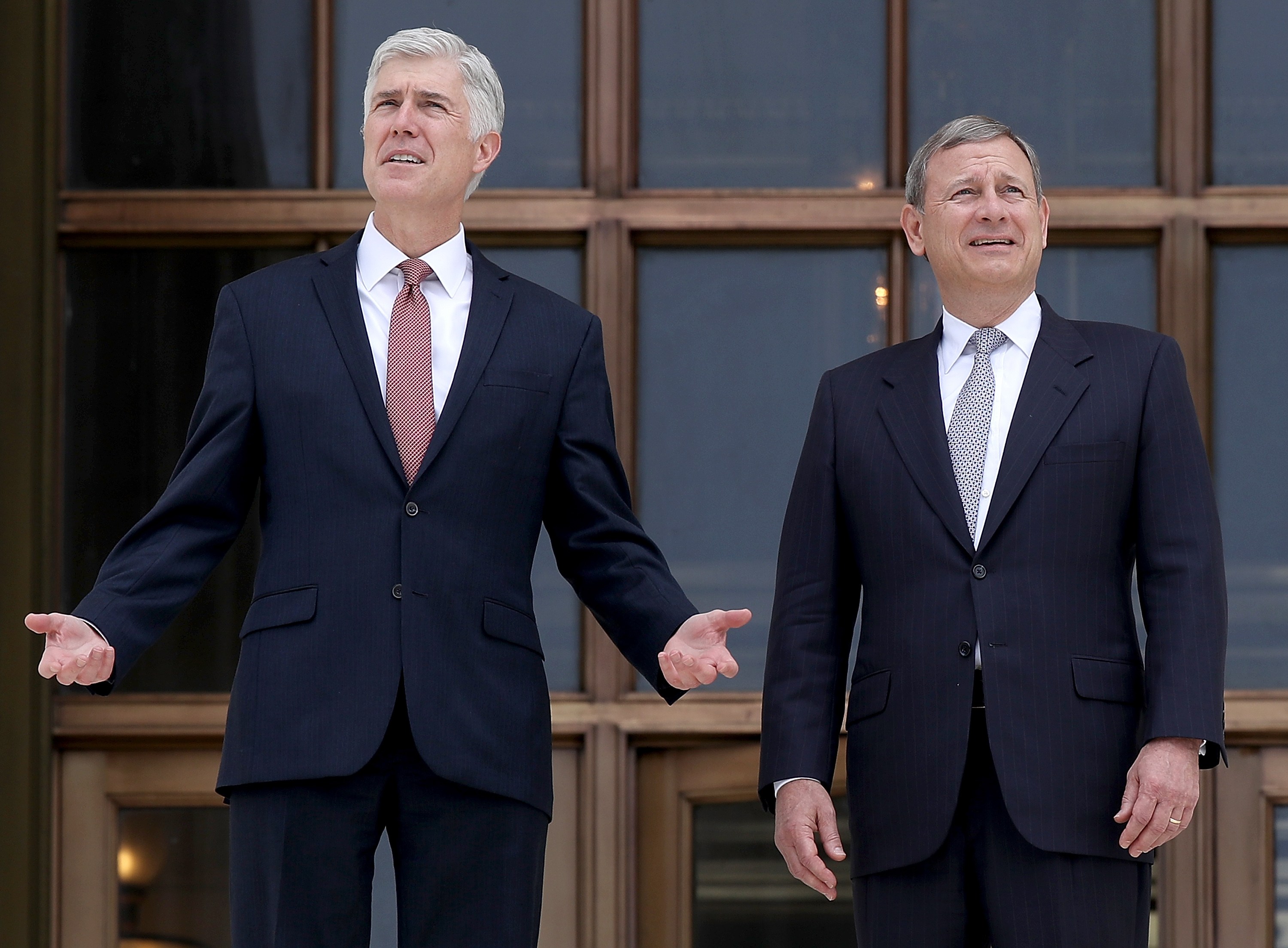
Meanwhile, Neil Gorsuch has described America as a 'creedal nation,' emphasizing the role of legal norms in shaping society.
In summary, the U.S. Supreme Court remains a cornerstone of the legal system, but its rulings increasingly reflect the country's complex political climate. Amid political polarization and changes in the Court's makeup, monitoring its decisions is crucial, as they can profoundly affect the lives of many Americans. These rulings not only shape legal precedent but also mirror broader social and political transformations, making them essential for understanding modern American democracy.
Read also
- Zelensky and Top Military Command Outline Response Plan to Russian Strikes
- EU's New Sanctions Package Targets Crypto Platforms Used to Bypass Restrictions
- New directives for Ukraine's National Security and Defense Council: Zelenskyy assigns tasks to Umerov and Klymenko
- Ukraine Extradites Former Lawmaker Demchak in Major Push to Bring Back Suspects
- EU Adopts 21st Sanctions Package Against Russia: What the New Restrictions Target
- Lithuania Accuses EU Nations of Undermining Sanctions for Their Own Economic Gain