Navigating Spring's Puddles: A Guide to Preventing Hydroplaning and Vehicle Damage.

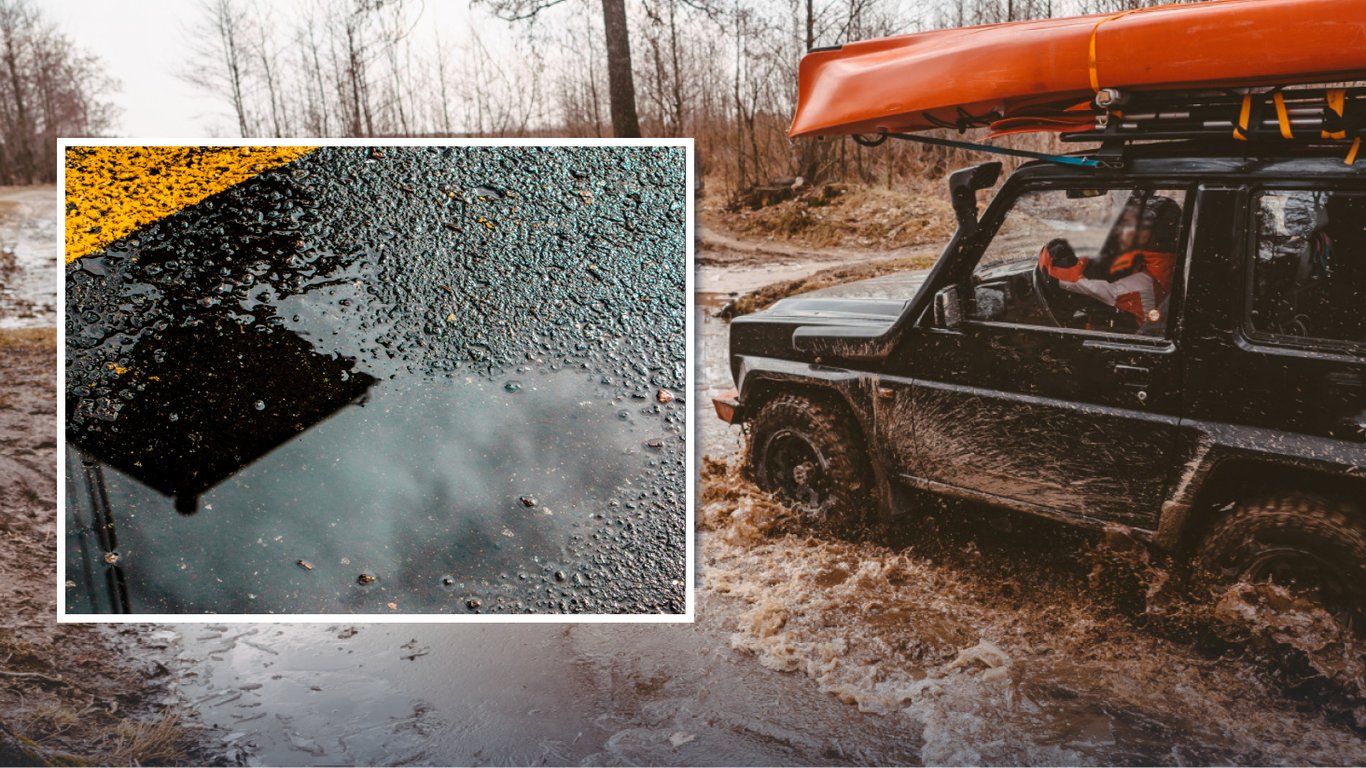
Spring Thaw Poses Fresh Hazards for Motorists
According to Novyny.live: The arrival of warmer spring weather introduces specific driving risks. Melting snow and ice create standing water, flowing runoff, and slick asphalt, all of which can lead to accidents and vehicle damage. Drivers must be aware of the unique dangers that water accumulation on road surfaces presents during this seasonal transition.
The Hidden Dangers of Puddles
What makes puddles so hazardous for your car? Beyond reducing visibility and splashing other road users with dirty water—potentially causing sudden incidents—puddles pose a direct threat to your vehicle's integrity. Experts warn that water forced into a car's bodywork can initiate corrosion, leading to long-term operational issues. Furthermore, water infiltration can damage sensitive electronic systems, compromising the vehicle's functionality and safety.
What is hydroplaning and how does it cause accidents? Hydroplaning occurs when a layer of water builds up between a vehicle's tires and the road surface. This causes a complete loss of traction, leaving the driver with no control, which can result in a collision. This dangerous effect is most likely on wet pavement when a vehicle's speed exceeds safe limits for the conditions.
Why should you avoid plowing through puddles at speed? Hitting a deep puddle with momentum can force water into the engine's air intake, causing a phenomenon known as hydrolock. This can lead to catastrophic engine failure, an event that is not only dangerous but also extremely costly to repair. Motorists should exercise heightened caution during spring conditions to avoid such unforeseen road hazards.
In summary, the spring thaw presents new challenges for drivers. Understanding hydroplaning, the risks posed by puddles, and potential vehicle damage is crucial for protecting the safety of all road users. Many drivers are caught off-guard by these seasonal hazards after a long winter.
Given the context of spring warming, it is vital for drivers to remain vigilant and account for weather conditions before traveling. The increased number of accidents linked to adverse conditions leads to higher costs for medical treatment and vehicle repairs. The gradual rise in air temperature also highlights the need for updated road infrastructure to improve traffic safety in our changing climate.
Read also
- Explosion in Vyshneve Claims Nine Lives and Damages 280 Homes
- Hundreds of bomb shelters undergo urgent inspections in Belarus — over 70 found to be in critical condition
- Ukrainian Businessman Yermolayev Accuses Military Intelligence of Monaco Attack, Demands Probe
- Deserter Opens Fire on Police During Search, Then Shoots Himself; Two KORD Officers Wounded
- Russian Strikes on Odesa Enter Sixth Straight Day: Educational Facility Hit, City Declares Day of Mourning
- Drone Strikes Residential Building Near Engels Airbase in Saratov Region