









Advertising

Advertising






Odessa Rental Prices Surge 19%: Apartment Costs in June 2026
Odessa’s Rental Market Heats Up In June 2026, Odessa is seeing a sharp rise in rental housing prices, with the median monthly rent for a one-bedroom apartment hitting 13,000 hryvnias. Over the past year, rents for these units have jumped 19%, pointing to growing demand in the region. Looking at act...
today, 06:24
147

Truck Traffic Restricted at Ukraine-Romania Border on June 29–30
today, 06:18
160

Etsy Officially Partners with Ukrposhta: What This Means for Sellers
today, 05:24
196
Horoscope
LIFESTYLE



Tourism





A Fresh Take on Zucchini: Simple Cheese Rolls in Tomato Sauce Recipe
today, 02:12
314
Capricorn Full Moon on June 30: Who Will Feel Its Strongest Effects
yesterday, 20:24
344
10-Minute Stuffed Zucchini with Meat: A Quick and Delicious Dinner Idea
yesterday, 15:24
368
Tech
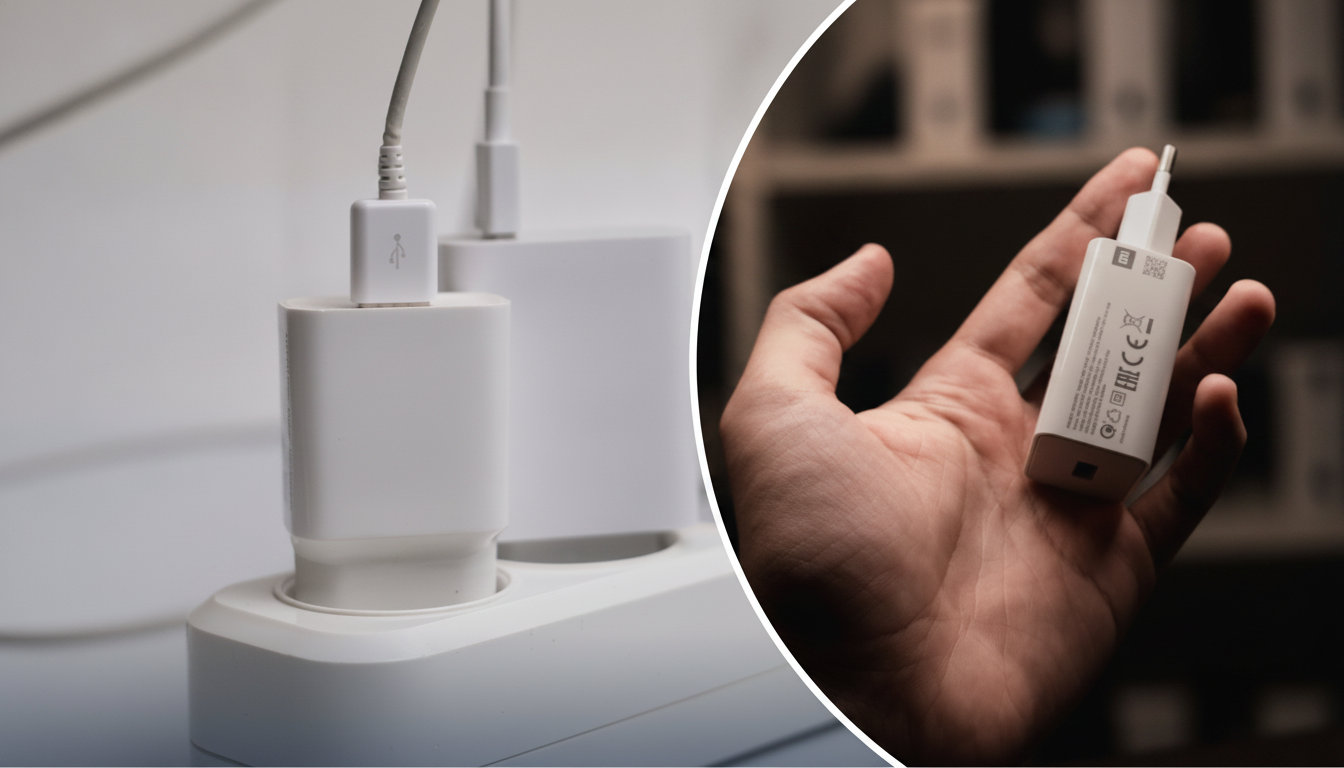

Chargers Left Plugged In Still Drain Power: How Much Extra Ukrainians Are Paying
yesterday, 18:00
363


Smartphone Battery Drain from GPS: How to Disable Location on Android and iPhone
yesterday, 12:24
403
Society




Showbiz



Sports




Brazil Snatches Last-Minute Victory Over Japan in World Cup 2026 Round of 16
yesterday, 23:12
389
2026 World Cup: Brazil Takes on Japan, Germany Faces Paraguay in Round of 32
yesterday, 17:00
417
Family Vacation in Odesa 2026: What a Trip with a Child Really Costs
today, 03:48
286
Wizz Air Launches a 24-Hour Flash Sale: European Flights Starting at €19
yesterday, 13:48
367