Russia's War on Ukraine Brings Hardship Home: Belgorod Residents Endure Winter Without Heat.

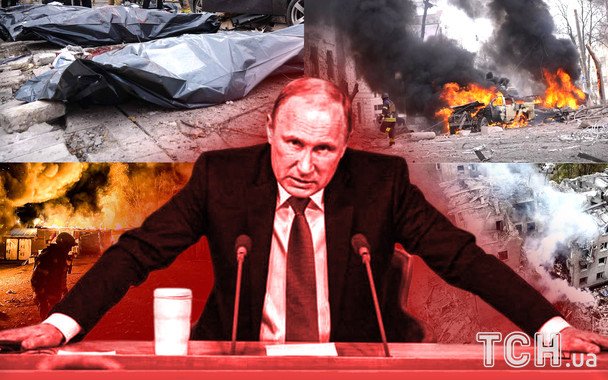
The War's Domestic Toll on a Russian Border City
According to TSN.ua: Russia's ongoing war against Ukraine is inflicting severe consequences on its own citizens, particularly in the city of Belgorod, located just 40 km from the Ukrainian border. With a population of approximately 322,000, the city has suffered significant damage to its energy infrastructure. This damage has created a critical situation during winter, when temperatures in Belgorod can drop to -10°C.
Following recent military strikes, around 80,000 people were left without heating, roughly 3,000 without gas, and about 1,000 without electricity. Power and heating outages began in the Belgorod region on February 6-7, escalating by February 12 to a scale that left 220,000 subscribers without electricity. Vyacheslav Gladkov, the governor of Belgorod Oblast, stated:
'Hot water in buildings connected to centralized heating will most likely not be restored until the end of the heating season.' - Vyacheslav Gladkov
Humanitarian Crisis and the War's Consequences
The humanitarian crisis triggered by the fighting has profoundly impacted residents' lives. Students and their parents live in a state of constant stress. As Natalia noted:
'Children can already distinguish the sound of a rocket launch, an impact, and the work of air defense systems by sound.' - Natalia
This illustrates how the population of Belgorod is being forced to adapt to the harsh new realities of war.
Simultaneously, Russia continues its assaults on Ukraine, having launched:
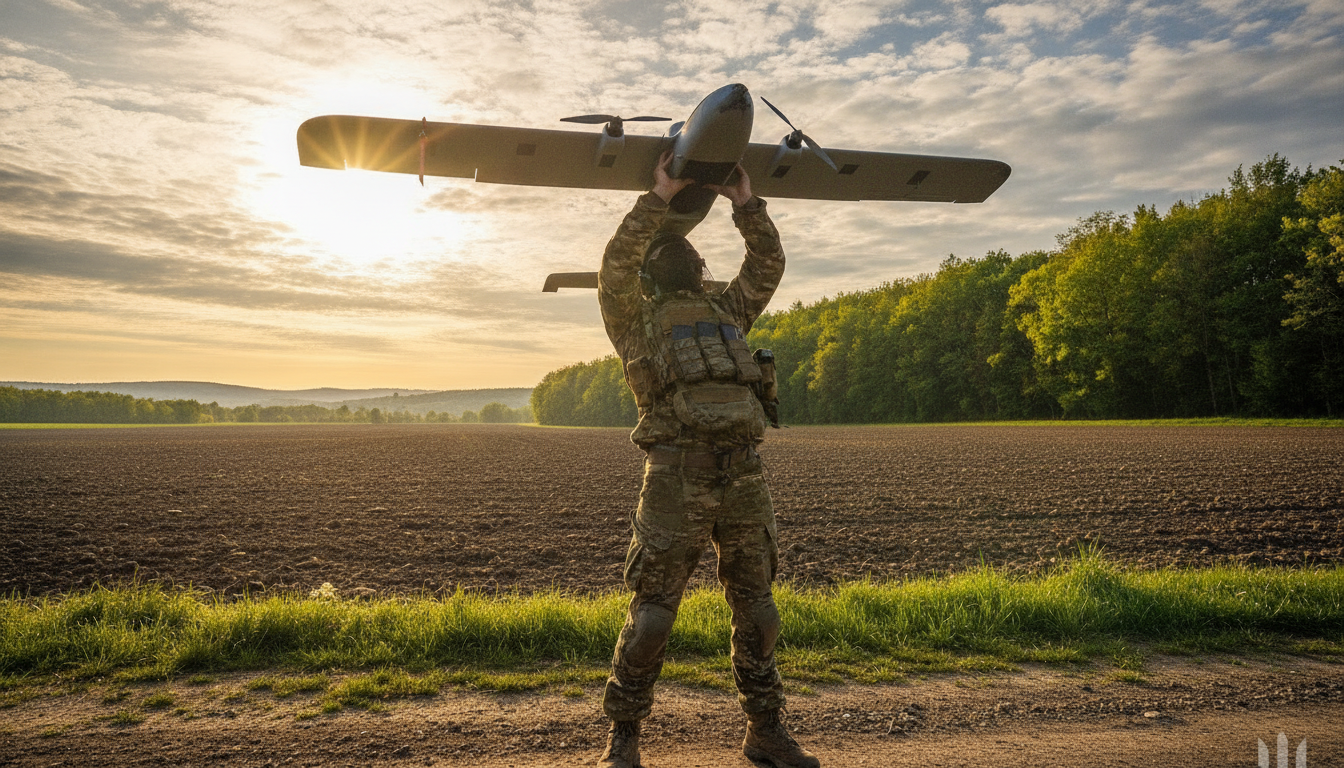
- approximately 1,300 attack drones,
- over 1,200 guided aerial bombs,
- 50 missiles.
In February 2026, new talks involving Russian, Ukrainian, and American representatives began, indicating a desire to find paths toward de-escalation. This diplomatic movement may be driven by Russia's growing internal problems, which are a direct result of the protracted war. The conflict's strain on Russian society and infrastructure is becoming increasingly apparent.
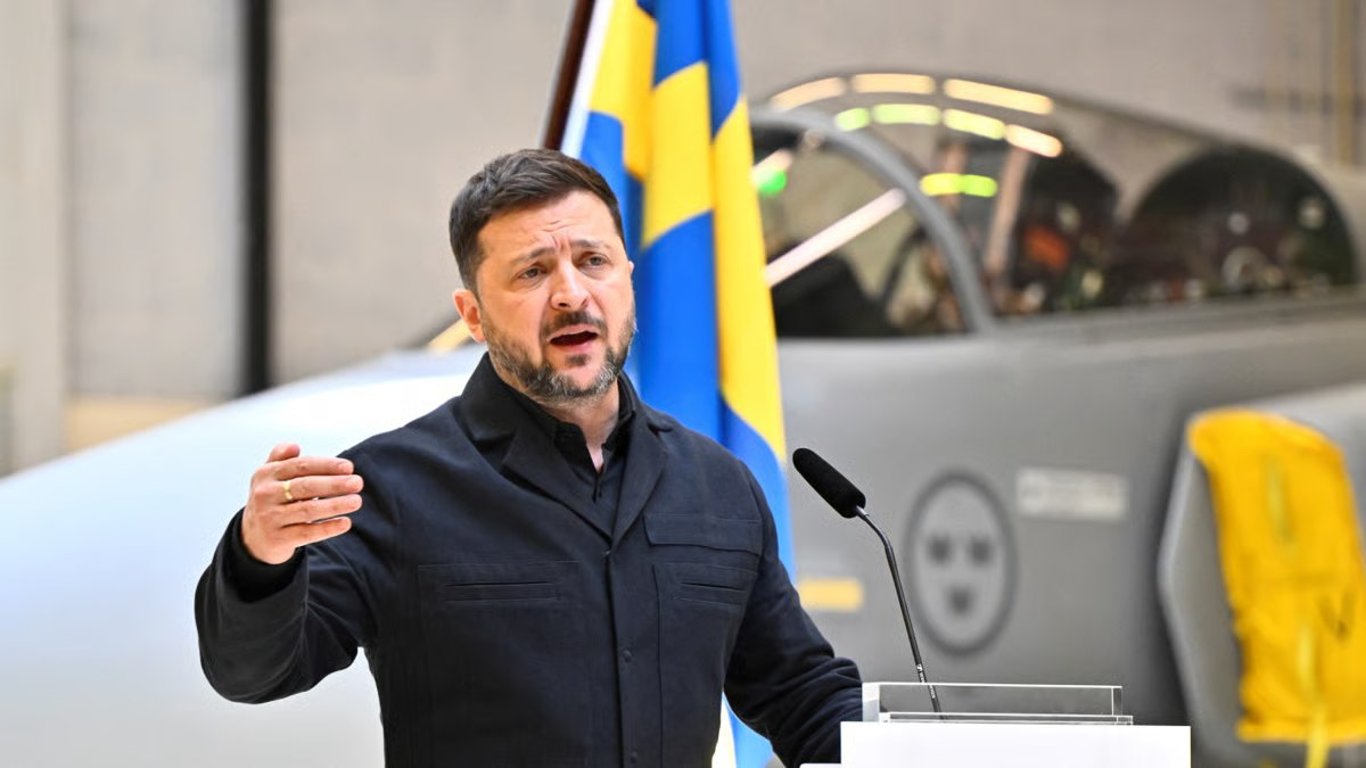
Recall that on February 16, a meeting was held by Volodymyr Zelenskyy regarding the consequences for Kyiv and other regions, underscoring the severity of the situation in both Ukraine and Russia. As the war begins to exact a heavy price on Russia itself, it is evident that Russian officials are attempting to downplay the conflict's impact, though reality suggests otherwise. Life in Belgorod, Bryansk, and Kursk oblasts has been fundamentally altered by military action, with residents facing new challenges in meeting their basic needs.
The situation in Belgorod serves as a stark example of how warfare affects not only the aggressor nation but also its own citizens. Given the critical state of the energy infrastructure, Belgorod residents are confronting serious problems that could lead to a deepening humanitarian crisis. Meanwhile, the progress of negotiations between the conflicting parties may point to a potential for de-escalation, though tangible changes will likely require significant time and effort from all sides.
Read also
- Moscow Redirects Ukrainian Drones; Kyiv Pitches 'Drone Deal' to Shield Europe
- Investigation Concluded After Russian IL-18 Violates Finnish Airspace
- Iran Hit by US Strikes After Apache Helicopter Downed
- Ukrainian Forces Strike Ammunition Depots in Russia’s Belgorod Region: Inside the Successful Operation
- Finland Concludes Border Breach Probe: Russian IL-18 Jet Entered Its Airspace
- Ukrainian Forces Strike 36 Russian Targets: Moscow’s Daily Losses Revealed