Hungary’s EU Commissioner Faces Espionage Allegations After Leaked Document Surfaces.

Fallout from a European Commission Document Leak
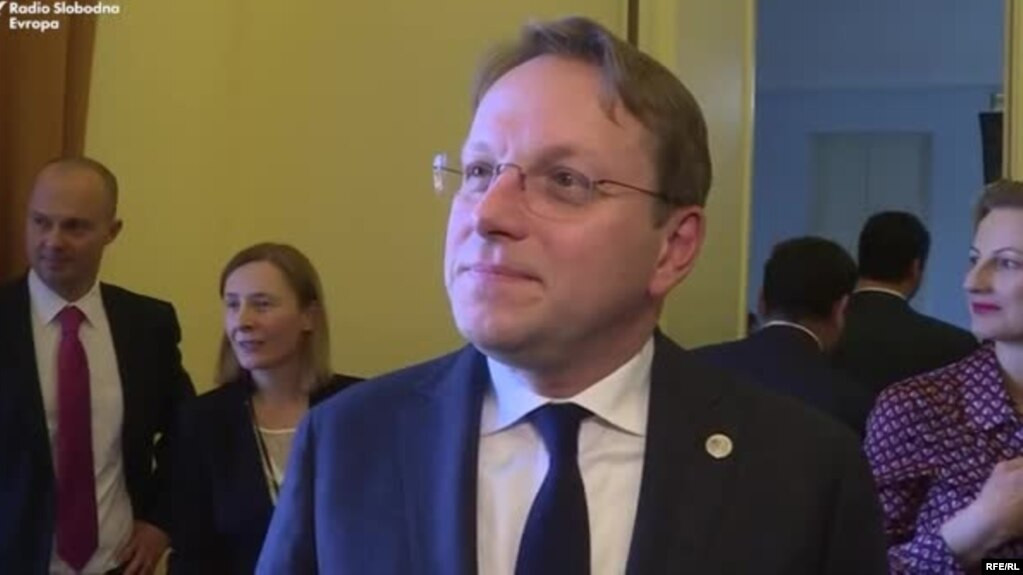
According to Espreso.tv: In autumn 2022, a leaked European Commission document raised serious doubts about the position of Hungarian EU Commissioner Olivér Várhelyi, following allegations that Hungarian diplomats may have been involved in espionage. Várhelyi, who served as Hungary’s Permanent Representative to the EU from 2015 to 2019, has denied any connection to the accusations.
The document at the center of the investigation indicates that Hungary’s diplomatic mission coordinated intelligence activities between 2012 and 2018. This prompted concern among members of the European Parliament, who called for Várhelyi’s resignation as early as October 2022. Despite these calls, the investigation ultimately found no evidence of major security breaches or leaks of classified information.
Discovery and Reactions
Security services first uncovered a network operated by Hungary’s military intelligence in May 2022. Roland Czeber stated that
“Europe conducted an investigation and it was clear to them that official Budapest was cooperating with the Russian side.”Some experts, including Péter Magyar, have expressed doubts that Várhelyi is being fully truthful about his activities. Dániel Freund remarked that
“regardless of whether Várhelyi was directly involved in the spy network’s operations or simply failed to supervise his subordinates, either scenario makes him unfit to serve as a European commissioner.”
This situation continues to be debated and analyzed within European circles, as issues of security and trust in state representatives are critical to the future direction of European Union policy.
The case surrounding Várhelyi and the potential espionage by Hungarian diplomats reflects broader challenges the European Union faces regarding security and trust among its members. Questions about Russian influence in Europe remain highly relevant, and investigations into such matters could have serious implications for EU foreign policy and internal relations. Ongoing discussions highlight the need to strengthen oversight mechanisms and ensure transparency in the international activities of member states.
Read also
- Zelensky and Top Military Command Outline Response Plan to Russian Strikes
- EU's New Sanctions Package Targets Crypto Platforms Used to Bypass Restrictions
- New directives for Ukraine's National Security and Defense Council: Zelenskyy assigns tasks to Umerov and Klymenko
- Ukraine Extradites Former Lawmaker Demchak in Major Push to Bring Back Suspects
- EU Adopts 21st Sanctions Package Against Russia: What the New Restrictions Target
- Lithuania Accuses EU Nations of Undermining Sanctions for Their Own Economic Gain